


ADA Backs Legislation Protecting Dental Insurance Patients

The American Dental Association (ADA) recently commended Rep. Jeff Van Drew (R-NJ) and Rep. Herb Conaway (D-NJ), for introducing the Improving Dental Administration (IDA) Act to ensure that the more than 360 state dental insurance reform/patient protection laws enacted in the last decade apply equally to enrolled patients of self-insured plans.
The Employee Retirement Income Security Act of 1974 (ERISA) regulates “self-funded” dental plans. Some dental carriers claim ERISA allows them to ignore state insurance laws meant to protect patients. The ADA wants to close that loophole and bring the power to regulate healthcare back where it belongs – with the states.
“The growing number of ‘self-funded’ plans regulated by ERISA has emboldened carriers to assert they are not subject to state oversight, claiming that the ERISA preemption gives them a free pass to ignore insurance laws,” said Rich Rosato, D.M.D., president of the American Dental Association. “We need to fix this ERISA loophole that keeps state regulators from enforcing pro-consumer insurance laws enacted in their states. Patients and providers should not be left unprotected based simply on how their dental benefits are purchased.”
This federal reform measure is necessary to address the “gray area” created by ERISA and to reassert states’ rights to regulate coverage offered in their state insurance market. Congress can clarify this ambiguity through legislation that would allow states to apply state passed legislation to ERISA plans. If this bill becomes law, it will make it clear that self-funded dental plans must adhere to state dental insurance laws.
“Insurance regulators are uncertain about how to hold carriers accountable to laws in their state when the carriers act as administrators for self-funded plans. This legislation takes a big step forward in creating fairness and accountability across the board,” said Dr. Rosato.
To date, there have been more than 360 insurance reform laws specific to dental care that have been enacted by states to protect patients and providers from abusive practices by insurers and third-party administrators. The continued growth of “self-funded plans” over “fully insured plans” and confusion over which laws carriers must abide by has prompted the ADA to seek federal legislation to address this confusion.
“ERISA’s original intent was to protect retirement plan assets like 401k, 403b or pensions,” said Dr. Rosato. “It wasn’t meant to let carriers ignore state laws and weaken consumer protections. We want carriers to follow the law and stop claiming ERISA as a reason to ignore the insurance reform efforts within our states.”
ERISA also regulates plan administrators and establishes minimum standards for pension plans and private industry. This legislative fix would not impact those employer-sponsored benefits.
About the American Dental Association
The not-for-profit ADA is the nation’s largest dental association, representing 159,000 dentist members. The premier source of oral health information, the ADA has advocated for the public’s health and promoted the art and science of dentistry since 1859. The ADA’s state-of-the-art research facilities develop and test dental products and materials that have advanced the practice of dentistry and made the patient experience more positive. The ADA Seal of Acceptance long has been a valuable and respected guide to consumer dental care products. The Journal of the American Dental Association (JADA), published monthly, is the ADA’s flagship publication and the best-read scientific journal in dentistry.
Source: www.ADA.org
 Related articles
Editorials 17 September 2026
From California to Canada: CU Anschutz School of Dental Medicine at ADEA, GRC and IADR 2026
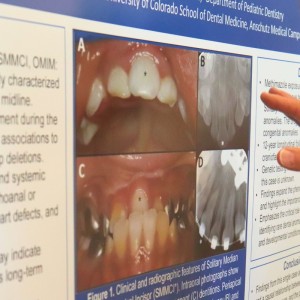
The CU Anschutz School of Dental Medicine will showcase a wide breadth of educational innovation, faculty development, clinical training and research at three major gatherings this
Editorials 27 August 2026
From California to Canada: CU Anschutz School of Dental Medicine at ADEA, GRC and IADR 2026
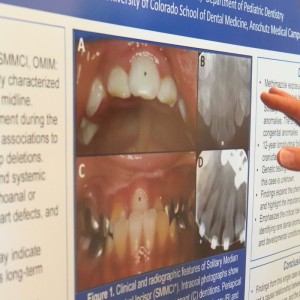
The CU Anschutz School of Dental Medicine will showcase a wide breadth of educational innovation, faculty development, clinical training and research at three major gatherings this
Editorials 06 August 2026
From California to Canada: CU Anschutz School of Dental Medicine at ADEA, GRC and IADR 2026
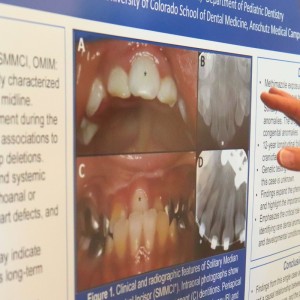
The CU Anschutz School of Dental Medicine will showcase a wide breadth of educational innovation, faculty development, clinical training and research at three major gatherings this
Editorials 23 July 2026
From California to Canada: CU Anschutz School of Dental Medicine at ADEA, GRC and IADR 2026
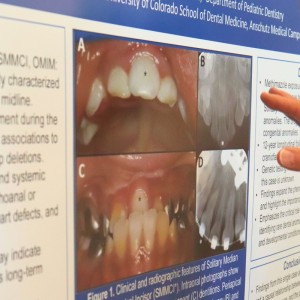
The CU Anschutz School of Dental Medicine will showcase a wide breadth of educational innovation, faculty development, clinical training and research at three major gatherings this
Editorials 10 July 2026
From California to Canada: CU Anschutz School of Dental Medicine at ADEA, GRC and IADR 2026
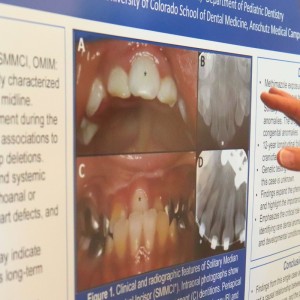
The CU Anschutz School of Dental Medicine will showcase a wide breadth of educational innovation, faculty development, clinical training and research at three major gatherings this
Read more
Europe 27 September 2026 - 30 November -0001
Digital Dentistry Society Global Congress 2026: Event Preview and Professional Highlights

The Digital Dentistry Society Global Congress 2026 will take place from October 22, 2026 to October 24, 2026 in TBD, Rotating Europe, offering dental professionals a focused environment for...
Editorials 27 September 2026
Dentistry33 survey highlights replacement care, deep caries and evolving restorative workflows
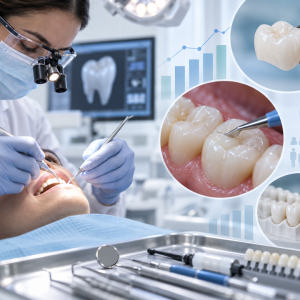
Reader survey finds direct composites remain dominant, secondary caries is the leading reason for restoration replacement, and clinicians want more training in pulp preservation
Reader survey finds direct composites remain dominant, secondary caries is the leading reason for restoration replacement, and clinicians want more training in pulp preservation
Edra Professional Books 26 September 2026
Manual of oral surgery: A Practical Reference for Dental Professionals
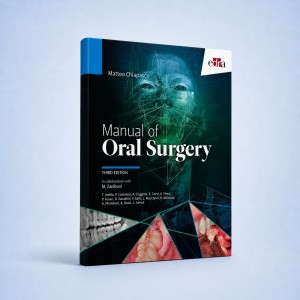
Manual of oral surgery is an Edra professional dentistry reference focused on clinical practice, education and treatment planning.
Products 25 September 2026
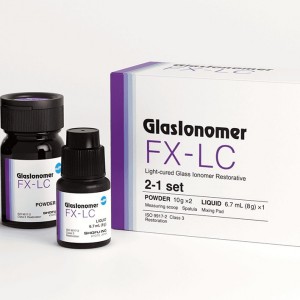
Shofu Dental’s line of dental restorative materials now includes FX-LC, a next-generation, light-cure, resin-reinforced glass ionomer formulated to deliver high strength, efficient 4
News 25 September 2026
The scholarships are part of an ongoing workforce solutions strategy to help address the need for skilled dental hygienists


Copyright © 2026 - All Rights Reserved
ISSN 2767-1178