


Why do some parents reject fluoride for their kids? Study has answers
By UW School of Dentistry News
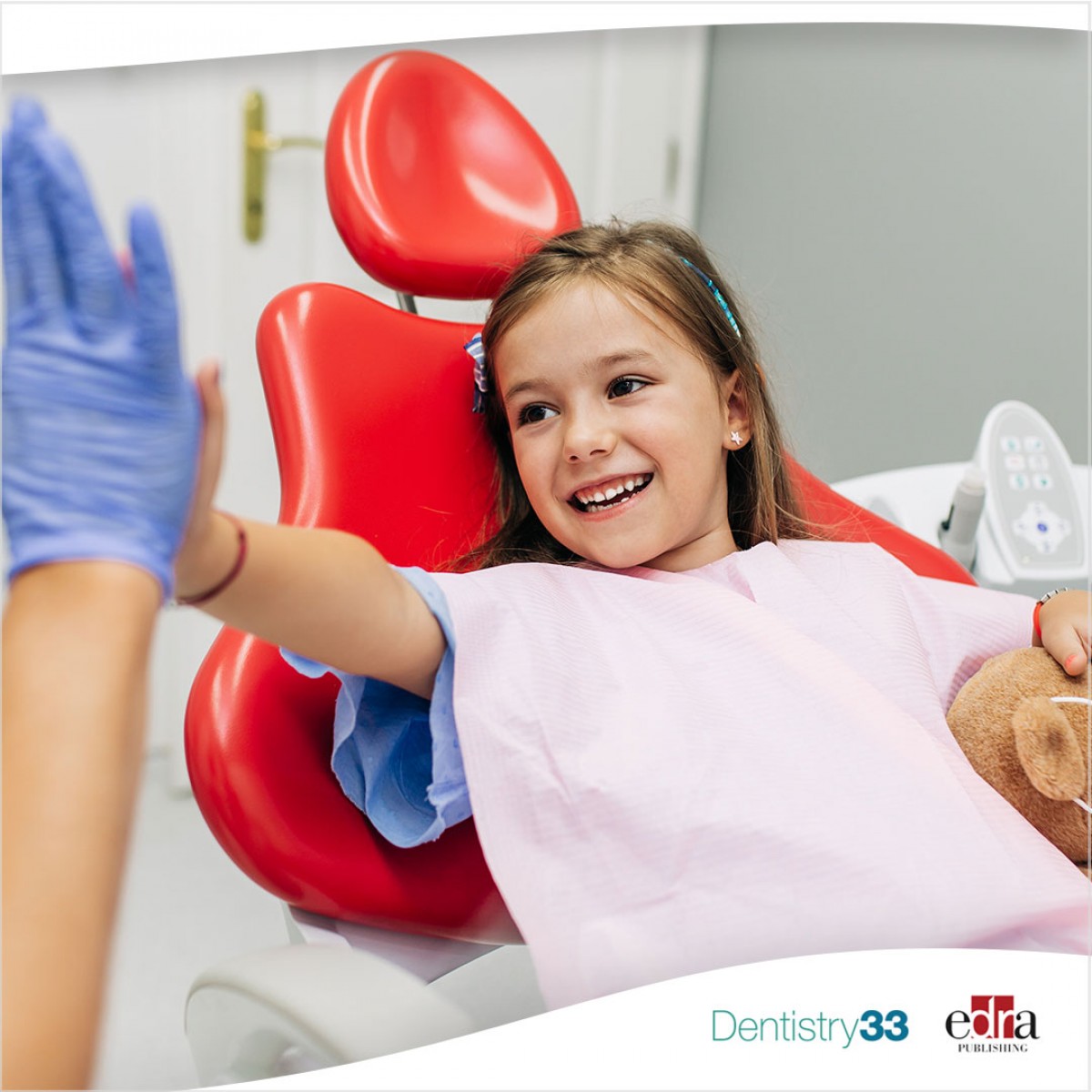
Why are some parents reluctant to let their child receive fluoride treatments from a dental provider? A new study, led by Dr. Donald Chi of the Department of Oral Health Sciences at the University of Washington, has some answers.
Dr. Chi’s team of researchers, who interviewed 56 fluoride-hesitant parents, grouped fluoride hesitancy into six main areas:
- Thinking topical fluoride is unnecessary
- Wanting to keep chemicals out of their child’s body
- Thinking fluoride is harmful
- Thinking there is too much uncertainty about fluoride
- Feeling pressured to get topical fluoride, and
- Feeling fluoride should be a choice.
The central theme of the parents’ response, according to the study, was “wanting to protect and not mess up their child.” The study was published March 23 in PLOS ONE.
“The underlying assumption sometimes is that fluoride-hesitant parents don’t care about their children, don’t love their children, and that they’re making these bad decisions for them,” said Chi, associate dean for research at the School of Dentistry. “However, our data show that parents are trying to make decisions that protect their children. I think that’s the main force behind these drivers.”
Chi rarely encountered fluoride hesitancy early in his career as a pediatric dentist. But as time progressed and the internet became more accessible, parents started walking into the dental office equipped with more questions.
“There is a general backlash happening now with preventive care among some parents. It affects us with fluoride just like it affects physicians with vaccines,” he said.
In another study Chi helped publish, it was determined that parents who opposed topical fluoride in dental settings were significantly more likely to oppose COVID-19 vaccines for their child.
“A lot of parents don’t think it’s necessary. In the case of fluoride, it might be that ‘Oh, my child gets other sources of fluoride,’ whereas with vaccines it may be ‘Natural immunity is more important.’ Therefore they feel vaccines are not necessary,” said Chi.
With rising skepticism of medical practices, creating conceptual models, like the one Chi and his team have made for topical fluoride, is becoming increasingly important. Healthcare providers must be familiar with the different reasons why a parent may be hesitant so they can offer a nuanced response.
“If a provider doesn’t understand what is driving a parent’s decision, or assumes that they know what’s driving it, they can end up making a hard conversation even more difficult,” said Chi.
The team plans to further their current conceptual model by establishing chair-side decision trees that outline ways of managing each of the six drivers. Such approaches will require training on communication strategies. That way, dental providers can be far better prepared to handle fluoride hesitancy.
“I need to know where parents are coming from so I can tailor my communication approach,” said Chi. “You can’t treat all your patients the same way and assume that all parents refuse fluoride for the same reasons.”
 Related articles
Products 30 July 2026
Davids Health Sciences Launches Fluoride-Free Unflavored Nano-Hydroxyapatite Toothpaste

Inspired by a “less is more” approach to oral care, company introduces a fluoride-free formula designed for those seeking a simpler, more intentional brushing experience.
Products 13 July 2026
Davids Health Sciences Launches Fluoride-Free Unflavored Nano-Hydroxyapatite Toothpaste

Inspired by a “less is more” approach to oral care, company introduces a fluoride-free formula designed for those seeking a simpler, more intentional brushing experience.

The clinically backed formula combines 5% potassium nitrate and nano-hydroxyapatite in a Mint Cream flavor formulated to reduce and prevent painful tooth sensitivity.
News 13 March 2026
American Academy of Pediatric Dentistry warns that current methodology could erode decades of advancement in children’s oral health and urges immediate reconsideration
News 10 March 2026

February is National Children’s Dental Health Month (NCDHM), a nationwide observance that focuses on the importance of preventive care and healthy oral hygiene habits for children.
Read more
Products 22 September 2026

News 22 September 2026
New FlexPayments features help Open Dental practices convert more diagnosed treatment into scheduled care and automatically recover credit card processing fees they’ve been absorbi
News 22 September 2026
The Accreditation Association for Ambulatory Health Care (AAAHC) has accredited Momenta Oral & Maxillofacial Surgery, a full-scope oral and maxillofacial surgery (OMS) practice wit
Editorials 22 September 2026
Tooth travelers: Students sharpen their skills on dental mission trips over the summer breaks

A busy dental student scheduled to graduate next May, few would fault Mackenzie “Kenzie” Bankes for heading to Jamaica for a few lazy days to enjoy sandy beaches and misty mountain
Oral pathology 22 September 2026
This peer-reviewed oral pathology article summarizes clinical evidence from Oral oncology (2026). It focuses on findings that may help dental professionals evaluate treatment decisions, patient...


Copyright © 2026 - All Rights Reserved
ISSN 2767-1178