


COVID-19: two years later, more than half of patients have symptoms
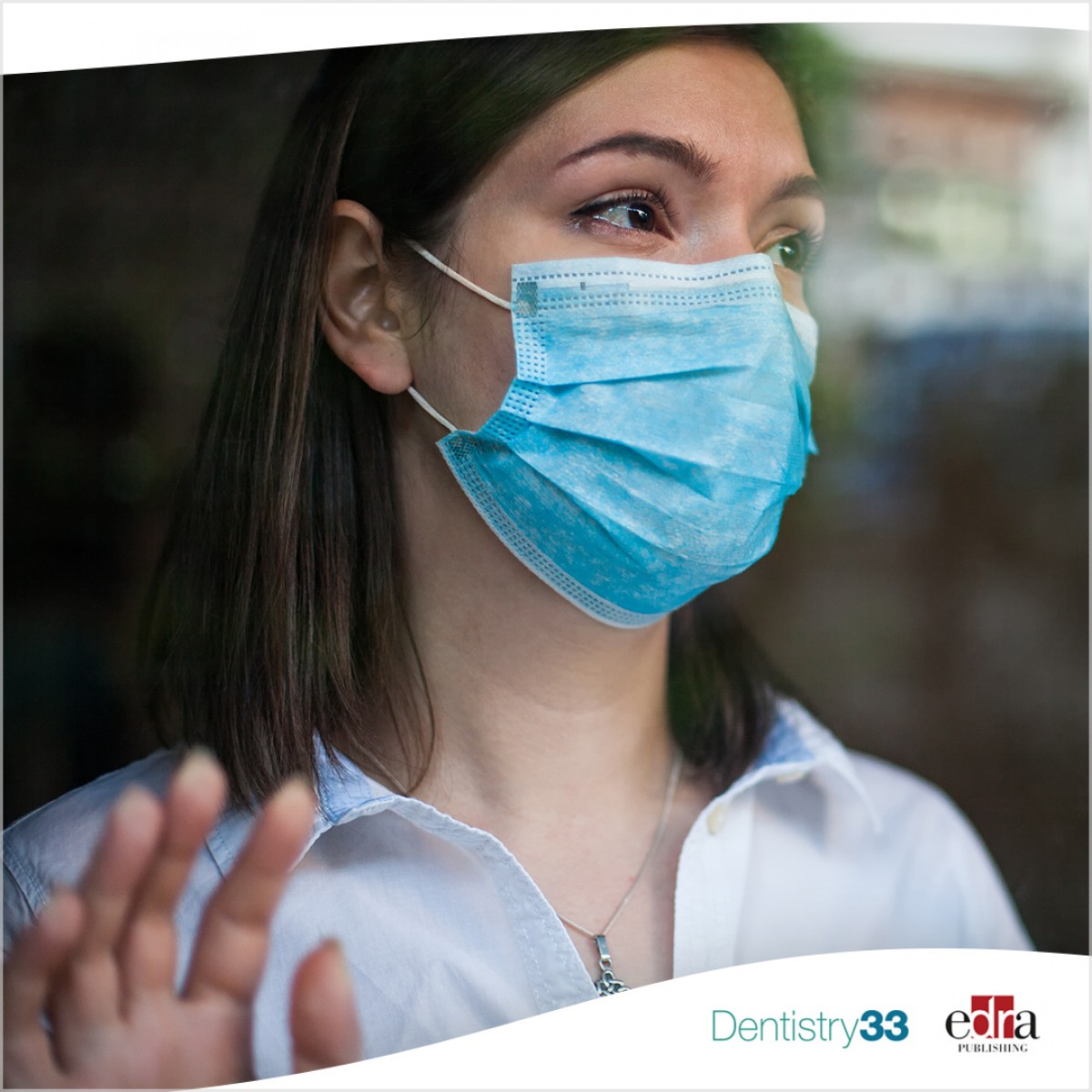
Nearly three years after SARS-CoV-2 became commonly known, at least one symptom attributable to it remained in 59.7% of patients hospitalized at the time of the acute phase. Researchers also found at least one post-COVID-19 symptom in 67.5% of patients who had not needed hospital care, according to a new study with 700 patients conducted in Spain.
“Post-COVID-19 symptoms 2 years after SARS-CoV-2 infection among hospitalized vs nonhospitalized patients,” was published in November 2022 in JAMA Network Open.
César Fernández-de-las-Peñas, of the Universidad Rey Juan Carlos in Madrid, Spain, lead author of the paper, said researchers "sought to identify long-term post-COVID-19 symptoms between hospitalized and outpatients.”
The research team compared the presence of post-COVID-19 symptoms two years after acute infection in these populations, he said. Researchers conducted a cross-sectional study at urban hospitals and general practice centers from March 20 to April 30, 2020, including 360 hospitalized patients and 308 outpatients with acute SARS-CoV-2 infection.
Data on infection and eventual hospitalization were collected from medical records, while follow-up was conducted two years later via a telephone interview.
The experts observed that dyspnea was more prevalent early in the disease among hospitalized than outpatients (112 versus 36), while the reverse was true for anosmia (66 versus 36 patients). The number of individuals who showed at least one post-COVID-19 symptom two years after infection was 215 (59.7%) among hospitalized patients and 208 (67.5%) among outpatients.
Among hospitalized and outpatients, fatigue (161 vs 147), pain (129 vs 92), and memory loss (72 vs 49) were the most prevalent symptoms two years after SARS-CoV-2 infection. Therefore, researchers found no significant differences in post-COVID-19 symptoms were observed between patients in the two groups.
The number of pre-existing comorbidities was associated with post-COVID-19 fatigue and dyspnea among patients who were hospitalized, while the number of comorbidities and number of symptoms at disease onset were related to post-COVID- 19 among outpatients.
The lack of inclusion of noninfected control patients limits the ability to assess the association of SARS-CoV-2 infection with general and specific symptoms post -COVID-19, the authors concluded. For this reason, future studies should include uninfected control populations.
César Fernández-de-Las-Peñas et al. “Post-COVID-19 Symptoms 2 Years After SARS-CoV-2 Infection Among Hospitalized vs Nonhospitalized Patients.” JAMA Netw Open. 2022 Nov 1;5(11): e2242106. doi: 10.1001/jamanetworkopen.2022.42106.
 Related articles
Oral pathology 23 December 2024
Oral Pathology in COVID-19 and SARS-CoV-2 Infection—Molecular Aspects

This review article was designed to evaluate the existing evidence related to the molecular processes of SARS-CoV-2 infection in the oral cavity.
Periodontology 10 March 2023
Why periodontitis may be the missing link in understanding the severity of SARS-CoV-2

By Caroline Holland
Dr. Graham Lloyd-Jones, consultant radiologist, has investigated the development of lung disease in COVID-19 and attempted to answer why some people are so much more badly affected than others.
Clinical trials 21 September 2022
Chewing gum that may block SARS-CoV-2 moves to clinical trial

A recently launched clinical trial at the University of Pennsylvania will evaluate a novel chewing gum designed by Penn Dental Medicine’s Henry Daniell, W.D. Miller Professor in the Department of...
Oral Hygiene & Prevention 22 April 2022
Penn Dental Medicine Study Shows Gum with Plant Protein May Reduce SARS-CoV-2 Transmission

A chewing gum made with a plant-grown protein “traps” the SARS-CoV-2 virus, reducing viral load in saliva and potentially tamping down transmission, according to a study led by Henry Daniell at Penn Dental Medicine
The work, performed in collaboration with the Perelman School of Medicine and School of Veterinary Medicine, as well as The Wistar Institute and Fraunhofer USA, could lead to a low-cost tool in the...
Oral Hygiene & Prevention 01 November 2021
Mouth rinses reduce SARS-CoV-2 in saliva, new research on JADA
Editorial Team
Mouth rinses can reduce the SARS-CoV-2 viral load in saliva, according to a study published in the November issue of The Journal of the American Dental Association.The cover story, "Estimating...
Read more
Europe 27 September 2026 - 30 November -0001
Digital Dentistry Society Global Congress 2026: Event Preview and Professional Highlights

The Digital Dentistry Society Global Congress 2026 will take place from October 22, 2026 to October 24, 2026 in TBD, Rotating Europe, offering dental professionals a focused environment for...
Editorials 27 September 2026
Dentistry33 survey highlights replacement care, deep caries and evolving restorative workflows
Reader survey finds direct composites remain dominant, secondary caries is the leading reason for restoration replacement, and clinicians want more training in pulp preservation
Reader survey finds direct composites remain dominant, secondary caries is the leading reason for restoration replacement, and clinicians want more training in pulp preservation
Edra Professional Books 26 September 2026
Manual of oral surgery: A Practical Reference for Dental Professionals
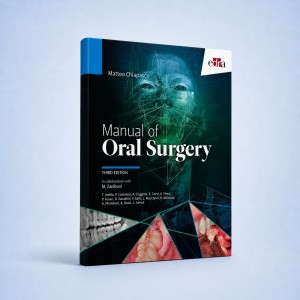
Manual of oral surgery is an Edra professional dentistry reference focused on clinical practice, education and treatment planning.
Products 25 September 2026

Shofu Dental’s line of dental restorative materials now includes FX-LC, a next-generation, light-cure, resin-reinforced glass ionomer formulated to deliver high strength, efficient 4
News 25 September 2026

The scholarships are part of an ongoing workforce solutions strategy to help address the need for skilled dental hygienists



Copyright © 2026 - All Rights Reserved
ISSN 2767-1178