


Penn Dental Medicine Study Shows Gum with Plant Protein May Reduce SARS-CoV-2 Transmission
A chewing gum made with a plant-grown protein “traps” the SARS-CoV-2 virus, reducing viral load in saliva and potentially tamping down transmission, according to a study led by Henry Daniell at Penn Dental Medicine
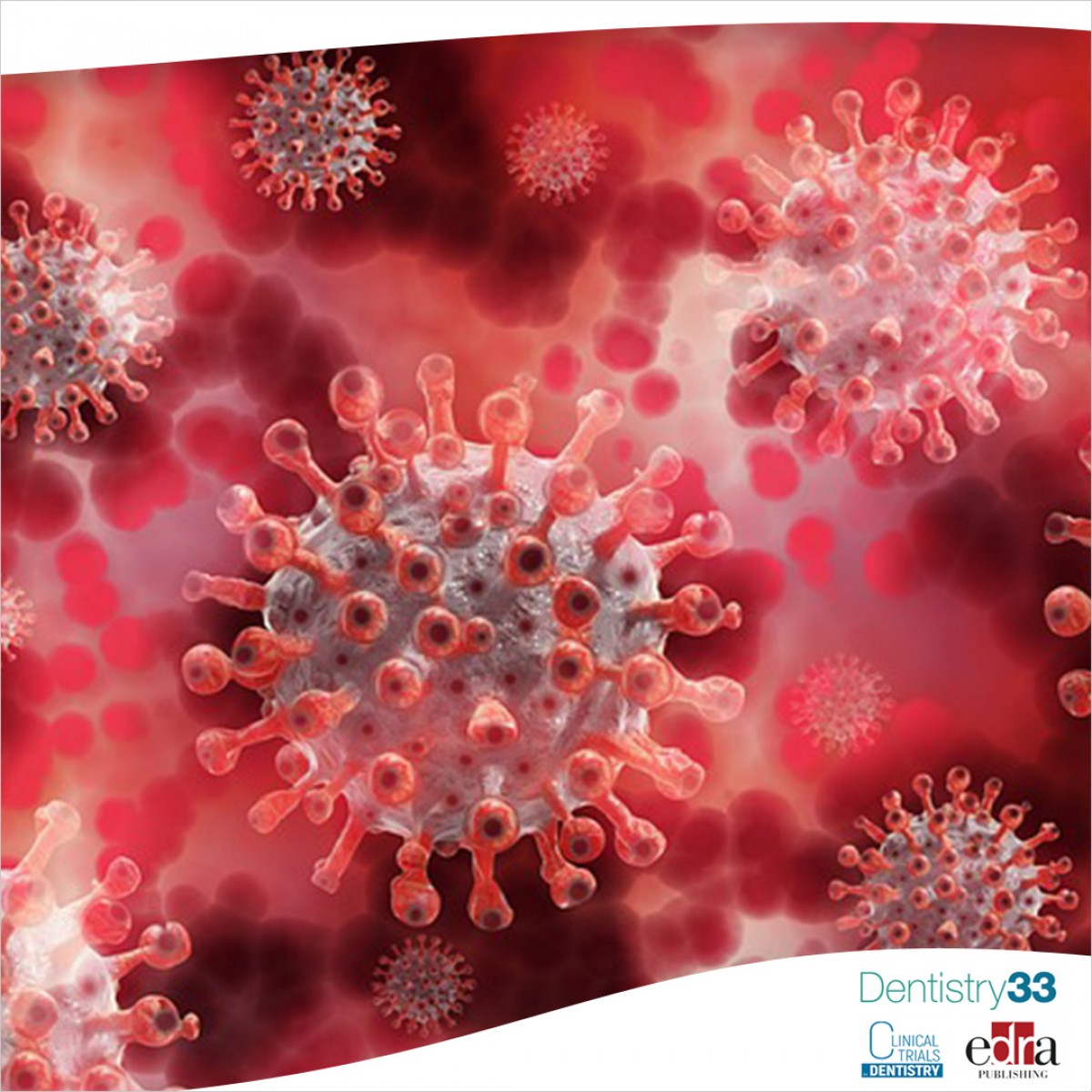
The work, performed in collaboration with the Perelman School of Medicine and School of Veterinary Medicine, as well as The Wistar Institute and Fraunhofer USA, could lead to a low-cost tool in the arsenal against the COVID-19 pandemic. Their study appeared in Molecular Therapy.
“SARS-CoV-2 replicates in the salivary glands, and we know that when someone infected sneezes, coughs, or speaks some of that virus can be expelled,” says Daniell. “Indeed, speaking four words releases more virus particles than breathing without a mask for one hour. This gum offers an opportunity to neutralize the virus in the saliva, giving us a simple way to possibly cut down on a source of transmission.”
Pre-pandemic, Daniell was studying the angiotensin-converting enzyme 2 (ACE2) protein in the context of treating hypertension. His lab had grown this protein, as well as many others that may have therapeutic potential, using a patented plant-based production system. The plant material, freeze-dried and ground-up, could be used to deliver the protein.
Daniell’s past work on ACE2 proved fortuitous in the context of the COVID-19 pandemic. The receptor for ACE2 on human cells also happens to bind the SARS-CoV-2 spike protein and ACE2 enzyme is naturally present in saliva. Meanwhile, another line of work by Daniell involved research to develop a chewing gum infused with plant-grown enzymes to disrupt dental plaque. Pairing his insights about ACE2 with this technology, Daniell wondered if such a gum, infused with plant-grown ACE2 proteins, could neutralize SARS-CoV-2 in the oral cavity.
To find out, he contacted Ronald Collman at Penn Medicine, whose team had been collecting biospecimens from COVID patients for research. To test the gum, the team grew ACE2 in plants, paired with another compound that enables the protein to block gates of viral entry and incorporated the resulting plant material into cinnamon-flavored gum tablets. Among various tests, the team exposed saliva samples from COVID-19 patients to the ACE2 gum and found that levels of viral RNA fell so dramatically to be almost undetectable.
The research team is currently working toward obtaining permission for a clinical trial to evaluate safety and efficacy when tested in people infected with SARS-CoV-2.
Source: https://www.dental.upenn.edu/
 Related articles
Editorials 14 November 2025
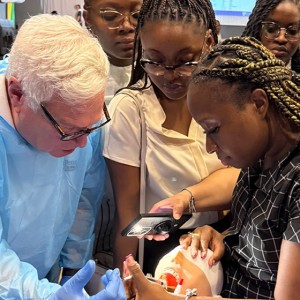
Penn Dental Medicine shared its expertise in caring for persons with disabilities with dental care providers from throughout Jamaica at a 1 ½ -day hands-on continuing education program, held October...
Editorials 23 July 2025

The Center for Innovation & Precision Dentistry (CiPD) at Penn Dental Medicine proudly hosted its Fourth Annual CiPD Symposium on May 29 bringing together a dynamic community of dentists,...

Oral healthcare providers and patients will soon receive more frequent, evidence-informed recommendations to advance oral and overall health with the establishment of the ADA Living Guideline...
Editorials 26 May 2025

Groundbreaking program to provide evidence-informed guidelines in real time to support patient care and advance public health
Editorials 03 February 2025
White Coat Ceremony Welcomes New Class of Foreign Trained Dentists to Penn Dental Medicine

Penn Dental Medicine welcomed 38 foreign-trained dentists to the study of dental medicine as part of the DMD Class of 2027 with its White Coat Ceremony, held January 8 at Penn Dental Medicine.
Read more
Europe 27 September 2026 - 30 November -0001
Digital Dentistry Society Global Congress 2026: Event Preview and Professional Highlights

The Digital Dentistry Society Global Congress 2026 will take place from October 22, 2026 to October 24, 2026 in TBD, Rotating Europe, offering dental professionals a focused environment for...
Editorials 27 September 2026
Dentistry33 survey highlights replacement care, deep caries and evolving restorative workflows
Reader survey finds direct composites remain dominant, secondary caries is the leading reason for restoration replacement, and clinicians want more training in pulp preservation
Reader survey finds direct composites remain dominant, secondary caries is the leading reason for restoration replacement, and clinicians want more training in pulp preservation
Edra Professional Books 26 September 2026
Manual of oral surgery: A Practical Reference for Dental Professionals
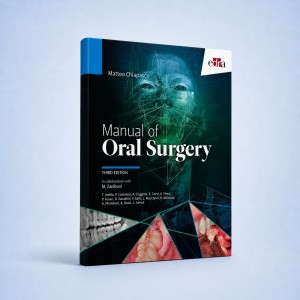
Manual of oral surgery is an Edra professional dentistry reference focused on clinical practice, education and treatment planning.
Products 25 September 2026
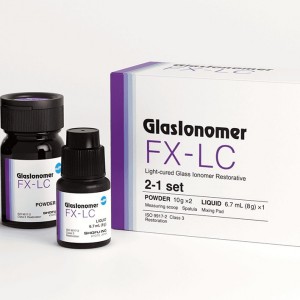
Shofu Dental’s line of dental restorative materials now includes FX-LC, a next-generation, light-cure, resin-reinforced glass ionomer formulated to deliver high strength, efficient 4
News 25 September 2026

The scholarships are part of an ongoing workforce solutions strategy to help address the need for skilled dental hygienists



Copyright © 2026 - All Rights Reserved
ISSN 2767-1178