


Behind the Scenes of Your Dental X-Rays: Meet Taylor Hedman

If you’ve ever had X-rays taken at the dentist, you’ve likely wondered: What do these images show? And why do you need different types of X-rays?
At the University of Colorado School of Dental Medicine (CU SDM), Diagnostic Procedures Technician Taylor Hedman plays a key role in helping both patients and dental students understand the answers to these questions, and much more.
From Dental Assisting to Radiology
Hedman grew up in Illinois and earned his degree in health studies from the University of Iowa. After moving to Colorado in 2014, he began working at CU as a dental assistant, but his interest in technology and imaging soon led him to specialize in radiology.
Now, Hedman teaches dental students how to take and evaluate X-rays and advanced images in the CU Dental clinics.
“Helping students learn how to take high-quality, diagnostic images is one of my favorite parts of the job,” he said. “It’s technical, it’s hands-on and it has a real impact on patient care.”
What Happens When You Get Dental X-Rays?
Most X-rays are done in just a few minutes, but there’s a lot going on behind the scenes.
Here’s how it works:
- Positioning: Hedman guides patients (or students learning the technique) into the correct position, depending on the type of X-ray.
- Exposure: The X-ray machine sends a quick, low-dose burst of radiation to capture the image.
- Evaluation: Images are immediately reviewed to ensure they clearly show what the dentist needs to see.
- Storage: Images are securely saved in the patient’s digital file and shared with your dentist for diagnosis and treatment planning.
Dental X-rays are extremely safe, thanks to modern digital technology and strict safety protocols. Radiation levels are very low, especially compared to other types of medical imaging. In fact, the latest recommendations from the American Dental Association state that lead aprons are no longer required in most instances.
“Our goal is to take the fewest images possible while getting the best quality, allowing students, residents and faculty to make informed diagnoses,” Hedman explained.
Understanding the Different Types of Dental X-Rays
Not all dental X-rays are the same. Depending on your needs, your dentist may request one or more of the following:
- Bitewings show the upper and lower back teeth.
- Periapical (PA) X-rays focus on one or two teeth, capturing the root and surrounding bone.
- Full Mouth Series (FMX) is a set of 18 images that give a comprehensive look at all teeth and supporting structures, often used for new patients or those with advanced dental needs.
- Panoramic (Pano) is a single image of the entire mouth, including the teeth, jaws and sinuses, commonly used for wisdom teeth or orthodontic assessments.
- Cone beam computed tomography (CBCT) is a 3-dimensional scan that provides detailed images of the teeth, bones and nerves, used for implants, surgical planning and complex diagnoses.
- "We take the time to make sure patients understand what’s being done and why,” Hedman said. “A big part of our job is communication.”
Supporting the Future of Dentistry
In addition to teaching, Hedman also supports faculty and students involved in research projects, including those that explore how artificial intelligence (AI) can enhance diagnostic imaging.
“AI is starting to help with diagnoses, treatment planning and patient education,” he said. “It’s an exciting time to be in dental radiology because technology is advancing so quickly.”
For example, how many times has the dentist shown you something on your X-rays and you have no idea what you’re looking at? AI tools can color-code the images to show exactly where there is decay and what part of the tooth it’s in, allowing for improved patient understanding and trust.
A Friendly Face Behind the Screen
Whether you’re getting a routine X-ray or a more advanced scan, Hedman and the CU SDM radiology team are there to ensure everything goes smoothly, while helping future dentists gain the skills they need to care for their patients.
“I like being part of that learning process,” he says. “And I like knowing that what we do in radiology makes a real difference for patients every day.”
Author: Laura Ramsey
Source: https://news.cuanschutz.edu/
 Related articles
Each year, the University of Colorado Anschutz School of Dental Medicine (SDM) Excellence Awards recognize individuals whose dedication, leadership and innovation strengthen our mi
News 09 June 2026

Sessions will feature clinical education, emerging research, AI discussions, and professional development for surgeons and teams.
Products 01 April 2026

Innovative integrated diode laser protocol achieves >99.99% bacterial reduction while simplifying endodontic workflow and reducing treatment time.
News 26 February 2026

The Annual Awards Celebrate Scientific Excellence, Philanthropy, and Contributions to the Dental Profession
News 19 February 2026

Join thousands of dental professionals at the 161st Chicago Dental Society Midwinter Meeting, taking place from February 19 through February 21 at McCormick Place West in Chicago.
Read more
Europe 27 September 2026 - 30 November -0001
Digital Dentistry Society Global Congress 2026: Event Preview and Professional Highlights

The Digital Dentistry Society Global Congress 2026 will take place from October 22, 2026 to October 24, 2026 in TBD, Rotating Europe, offering dental professionals a focused environment for...
Editorials 27 September 2026
Dentistry33 survey highlights replacement care, deep caries and evolving restorative workflows
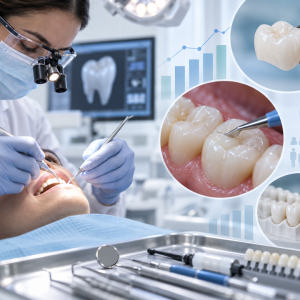
Reader survey finds direct composites remain dominant, secondary caries is the leading reason for restoration replacement, and clinicians want more training in pulp preservation
Reader survey finds direct composites remain dominant, secondary caries is the leading reason for restoration replacement, and clinicians want more training in pulp preservation
Edra Professional Books 26 September 2026
Manual of oral surgery: A Practical Reference for Dental Professionals
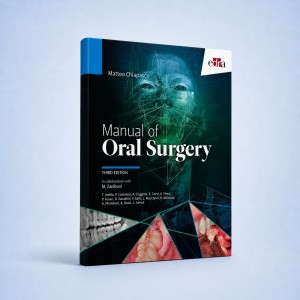
Manual of oral surgery is an Edra professional dentistry reference focused on clinical practice, education and treatment planning.
Products 25 September 2026
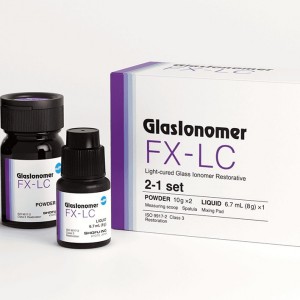
Shofu Dental’s line of dental restorative materials now includes FX-LC, a next-generation, light-cure, resin-reinforced glass ionomer formulated to deliver high strength, efficient 4
News 25 September 2026

The scholarships are part of an ongoing workforce solutions strategy to help address the need for skilled dental hygienists


Copyright © 2026 - All Rights Reserved
ISSN 2767-1178