


Answering the call to serve patients and country
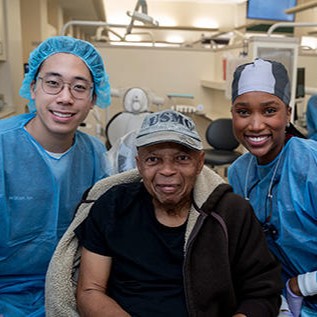
While many of their classmates will pursue specialty training in academic settings or work in private practice after graduating from Harvard School of Dental Medicine (HSDM), five students – representing 15 percent of the class – will go on to serve in branches of the military.
Graduates Jen Candiano, Jake Cantrell, Kaila Daniels, Michael Friedman, and Chris Nuckols, each have a unique calling to military service.
“My interest in military dentistry stemmed from the opportunity to serve those who serve,” said Cantrell. “Military dentistry offers the chance to gain exceptional clinical experience, work in diverse environments, and take on leadership roles early in my career. I was especially drawn to the team-oriented nature of military healthcare, where dentists collaborate with medical professionals to provide comprehensive, integrated care.”
While attending HSDM, Cantrell and Candiano helped grow the School’s Give Veterans a Smile (GVAS). The event, held annually in October, provides veterans with a day of free dental care and consultations, with a long-term goal of creating a dental home for those who do not have consistent dental care.
“Working with veterans with complex dental needs solidified my desire to specialize in prosthodontics, as many of these patients require extensive restorative care and complex prosthetic solutions,” said Cantrell, who will start his residency at the Naval Postgraduate Dental School within Walter Reed National Military Medical Center.
For some, an interest in community service was a natural fit. Both Daniels and Friedman served as coordinators for HSDM’s Action for Children and Teens in Oral Health Needs (ACTION), a student-run pediatric dental clinic dedicated to treating underserved young patients.
“I was especially interested in expanding our impact beyond the dental visit,” Friedman said. “My work involved connecting patients with Cambridge Health Alliance’s network of patient resource coordinators to raise awareness of and facilitate access to available healthcare resources.”
All the students were part of the Health Professions Scholarship Program (HPSP), offered by the Army, Navy, and Air Force. The program offers aspiring military healthcare professionals a full scholarship in exchange for a service commitment as a commissioned officer after graduation.
“While I don’t come from a military family, I grew up in a home that deeply valued patriotism and held great respect for the armed forces. My brother’s best friend, a Navy dentist, introduced me to the Health Professions Scholarship Program,” Candiano said. She is excited to begin an oral and maxillofacial surgery residency with the Navy after graduation. “The military presented a unique avenue to combine my love for global health with my professional aspirations.”
After graduating from dental school, HPSP scholars attend Officer Training or Candidate School, then go on to complete an advanced dental residency before starting their military service.
“I am very excited to start my prosthodontics residency with the Air Force,” Daniels said. “I am looking forward to embarking on my journey in this specialty that I already admire so much. Through my didactic and clinical work, I know that I will gain a plethora of knowledge over the next three years.”
“The continuing education opportunities within the military are extensive, and their AEGD programs are renowned for their strength. I’m also excited about the prospect of treating patients without the constraints of insurance concerns,” said Nuckols, who will begin a GPR/AEGD program with the Army.
As they prepare to cross the stage at graduation, these five dentists are stepping into a future defined by service and a strong sense of purpose.
“The military provides a unique environment where dentistry intersects with operational readiness, global health initiatives, and research. I am honored to step into this next chapter and look forward to making a meaningful impact through dental care,” Cantrell said.
Source: https://www.hsdm.harvard.edu/
 Related articles
Editorials 17 April 2026
Some admissions experiences can make an applicant feel like a statistic being analyzed or, as first-year Florida dental student Nate Fordham put it, like a “mushroom”: kept in the dark and fed...
Oral pathology 23 June 2025

rtificial intelligence (AI) has rapidly advanced in healthcare and dental education, significantly impacting diagnostic processes, treatment planning, and academic training.
Products 28 September 2026
(“Sonendo” or the “Company”), a leading dental technology company and developer of the GentleWave® System, today announced that more than two million patients have now been treated
News 07 August 2026
National trauma data show Medicaid coverage rose from 16% to 24% after ACA implementation, while self-pay cases declined, suggesting broader insurance access for patients needing u

Your website is your virtual storefront and, more often than not, a patient’s first impression of your practice.
Read more
Products 20 October 2026
News 20 October 2026

In recognition of National Dental Hygiene Month, Delta Dental highlights key findings from its 2026 State of America’s Oral Health and Wellness Report , a nationwide analysis of co
News 20 October 2026
Abra Health Group has launched The Dental Bank, a new community impact initiative designed to make essential oral health resources more accessible to individuals and families throu
Editorials 20 October 2026
Woman’s skull likely proof of ancient nose amputation, says College of Dentistry professor
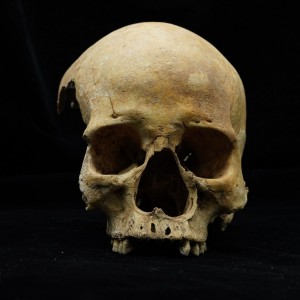
Qian Wang, professor in biomedical sciences at Texas A&M College of Dentistry in Dallas, identified what he and other researchers believe is likely one of the first examples of an
Endodontics 20 October 2026
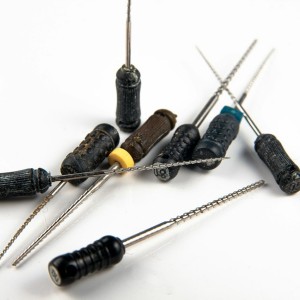
This peer-reviewed endodontics article summarizes clinical evidence from Clinical oral investigations (2026). It focuses on findings that may help dental professionals evaluate treatment decisions,...



Copyright © 2026 - All Rights Reserved
ISSN 2767-1178