


Photobiomodulation—Better Patient Care Using Light Therapy
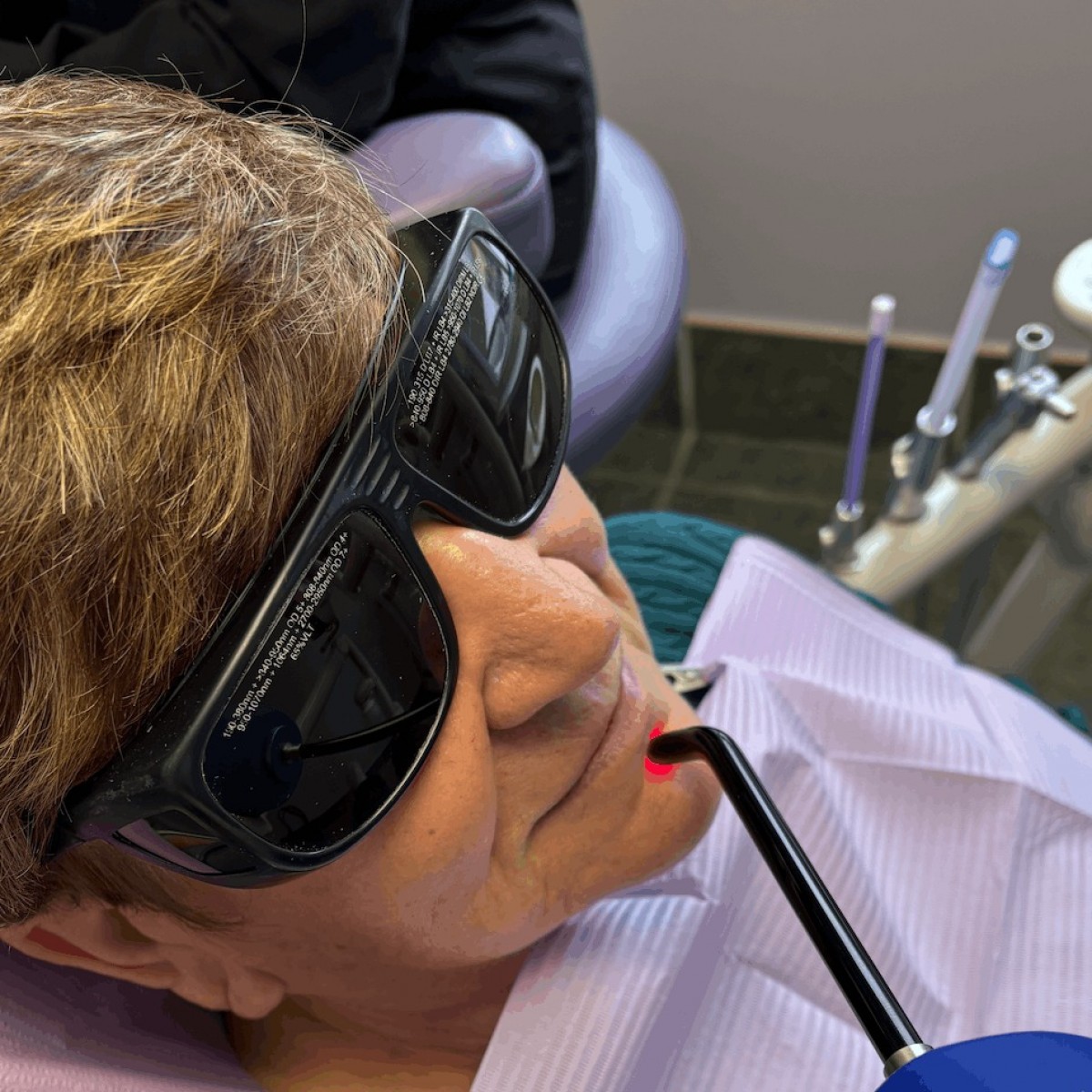
The belief in the healing power of light goes all the way back to ancient Egypt and the worship of Rah, the sun god.
In the late 1960s, following the invention of the first medical lasers, Prof. Endre Mester in Hungary discovered that low-power ruby and helium neon lasers promoted healing in wounds that were resistant to conventional therapies, laying the foundation for photobiomodulation (PBM).
So why is it that, despite pharmaceutical industry growth, we are increasingly reliant on “the magic pill,” often associated with unwanted side-effects, rather than safe, non-pharmacological therapies that demonstrate clinical benefit?
The scientific research contains thousands of articles investigating PBM for a wide variety of conditions. As with any area of research, some studies are well designed while others have significant limitations.
PBM follows what is known as biphasic dose response curve, or Arndt-Schulz Law. Lower doses tend to stimulate biological activity, while high doses may inhibit it. So, if a study is looking to evaluate stimulation of healing, but delivers an inhibitory high dose, it may incorrectly conclude PBM is ineffective. If the dose is too low and the study is looking for pain reduction, the conclusion will also have little or no effect.
Clinicians who understand how to deliver the right dose of light energy consistently achieve positive patient outcomes. This knowledge requires understanding laser-tissue interactions, wavelength selection, power, treatment time, and the target tissue.
Dentistry has numerous published case reports and clinical studies demonstrating positive outcomes. However, additional well-designed RCT’s will strengthen the evidence base and increase acceptance among skeptics.
When prescribing medications, doctors must understand the disease process and what step in this process is being targeted. Using light as medicine, or “photoceutical” is the same approach.
When injury occurs, bleeding triggers an inflammatory cascade which eventually leads to proliferation (making building blocks needed for repair) and tissue remodeling and healing. Inflammation brings with it pain which is first acute, but if not resolved, can become chronic and is more difficult to manage.
Recognizing the stages of healing and pain cycles—from stimulus to transmission to brain feedback loop, is essential to successfully using light to improve patient experience following surgical interventions.
Having a laser device that does it for you makes incorporating this technology into a dental practice very user friendly. Pain management should be addressed first by applying high energy doses to inhibit pain signal transmission and second by reducing inflammation. Then we can focus on stimulating tissue repair through increased collagen synthesis, mitochondrial ATP production, improving circulation, and lymphatic drainage.
Laser light is monochromatic, coherent, and collimated, whereas ordinary light is multi-wavelength, non-coherent, and multi-directional. LED devices fall somewhere in between.
Blue light has anti-bacterial, anti-viral, and anti-fungal properties great for surface disinfection. Red wavelengths are better for stimulating surface targets while infrared is better for deeper targets.
Because laser light is more focused than LED light, it generally provides greater tissue penetration. Super-pulsing a laser offers additional benefits by creating photo-acoustic interactions to try and reach even deeper targets. It is not always clear where exactly the target is, hence having a multi-wavelength super-pulsed laser-LED device, such as Multi Radiance Medical MR5 ACTIV PRO, offers considerable clinical versatility.
Common dental conditions where PBM can be incorporated in everyday practice include: control of gag reflex, management of herpes labialis (HSV-1), treatment of aphthous ulcers (canker sores), dry socket management, xerostomia and burning mouth syndrome, treatment of temporomandibular disorders of muscular origin, postoperative pain management, preinjection analgesia, management of bony defects related to medication-related osteonecrosis of the jaw, improved implant osseointegration in low density bone, nerve regeneration, treatment of paraesthesia, faster orthodontic tooth movement, and prevention and treatment of oral mucositis.
Few treatment modalities offer such a broad range of clinical applications as PBM. At the same time, it is not well known or understood, largely due to limited education on the topic in dental schools.
Once learned, PBM can change the way we practice, allowing dentists to work easier and patient comfort improves, and clinical outcomes are enhanced. It is a true win-win!
Dr. Polonsky is a 1999 graduate of University of Toronto and recipient of the Dean’s Gold Medal of Achievement. She maintains a private general practice in Ottawa, Canada, with a focus on multi-disciplinary treatment utilizing lasers of different wavelengths.
Dr. Polonsky will host a FREE CE WEBINAR on October 8 at 8 PM (EST) that follows up on the content of this article.
Source: https://us02web.zoom.us/webinar/register/WN_NlA_lh5CSMy6uh7ugpkDBA#/registration
 Related articles

This scoping review and analysis were designed to assess the amount of time spent delivering photobiomodulation light therapy after dental extraction to improve postoperative pain and wound healing.

Research led by Penn Dental’s Henry Daniell investigates the use of a lettuce-based, plant-encapsulated delivery platform as a new oral delivery of two GLP-1 drugs previously approved by the FDA in...
Silencing a receptor in prostaglandins reduces pain but allows inflammation to run its course in animal and cellular studies.

Ostrow researchers probe how vasculature impacts stem cell diversity. The new study could lead to better treatments for tissue regeneration.

Evaluating the association between lifestyle behaviors and clinical results of periodontal treatment (phases 1 and 2) was the objective of the work published in JPG Digest
Read more
Nearly half the world’s population is affected by oral disease—and the number of cases is rising.
News 15 October 2026
New office at 3170 R Street adds walk-in availability and same-day care options in a region where dental providers are in short supply
Each year, the University of Colorado Anschutz School of Dental Medicine (SDM) Excellence Awards recognize individuals whose dedication, leadership and innovation strengthen our mi
Oral surgery 15 October 2026
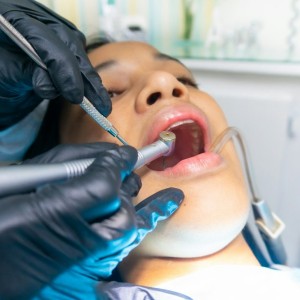
This peer-reviewed oral surgery article summarizes clinical evidence from International journal of oral and maxillofacial surgery (2026). It focuses on findings that may help dental professionals...
Products 14 October 2026
Royal Philips (NYSE: PHG, AEX: PHIA) announced that the Philips Sonicare Next-Generation DiamondClean 9900 Prestige, its most advanced and intelligent toothbrush to date, is now av


Copyright © 2026 - All Rights Reserved
ISSN 2767-1178