


Healthy lifestyles mean better response to periodontal therapy
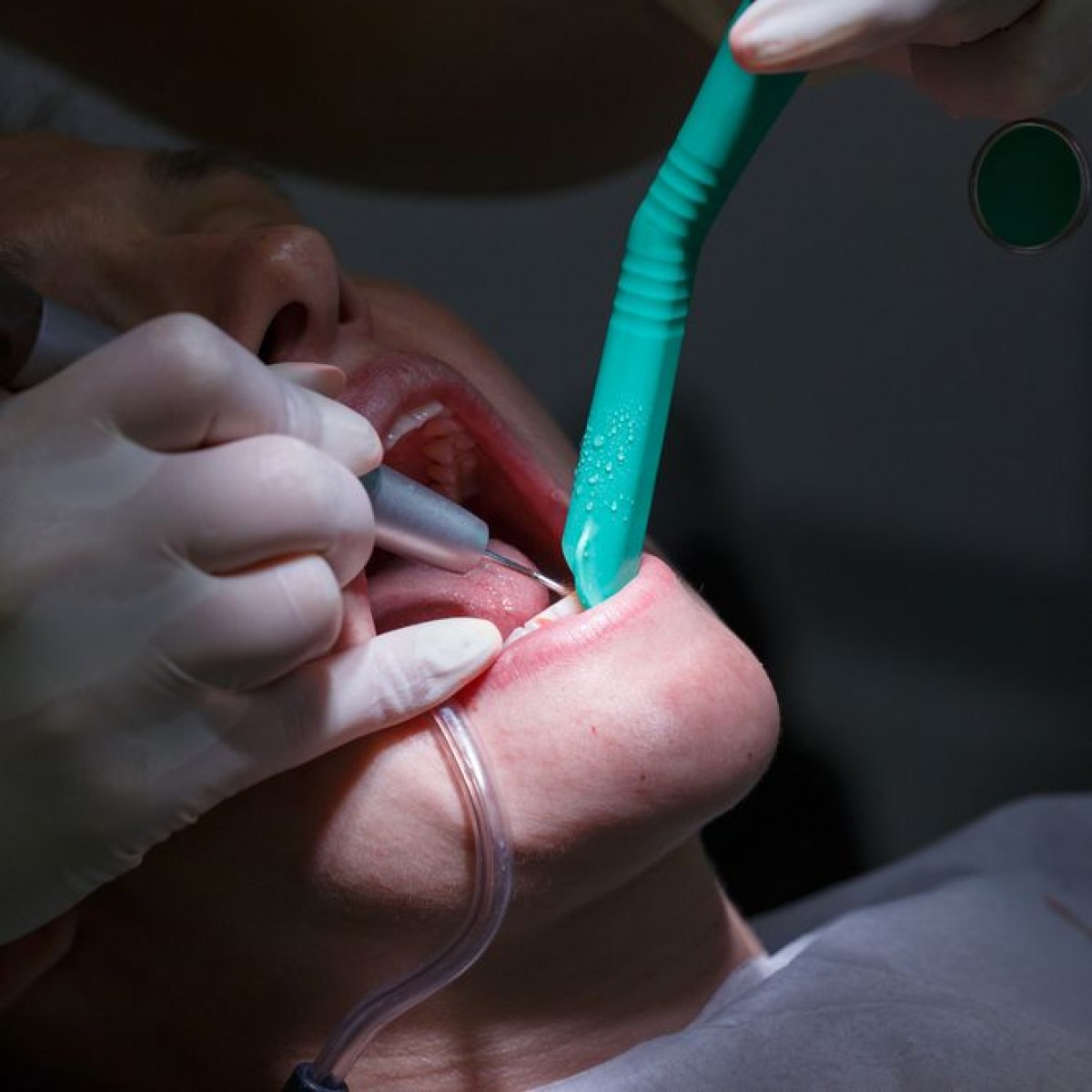
Evaluating the association between lifestyle behaviors and clinical results of periodontal treatment (phases 1 and 2) was the objective of the work published in JPG Digest. While eating habits, along with many other factors, influence people's health, "evidence is lacking as to whether these lifestyle interventions can provide additional benefit to periodontal therapy," the researchers point out.
The study carried out examined 120 participants aged between 18 and 70 years suffering from untreated localized or generalized stage II/III periodontitis. Participants had at least one site with pocket probing depth (PPD) ≥4 mm and more than 20 remaining teeth. Socio-demographic characteristics (age, sex, body mass index), diabetes status, smoking/alcohol consumption and lifestyle behaviors were assessed. Each participant responded to four validated questionnaires related to their eating habits.
“This is the first study to evaluate the impact of a set of unhealthy lifestyle behaviors on response to periodontal treatment,” the researchers noted. “Poor sleep quality, smoking and alcohol abuse were associated with significantly lower rates of achieving treatment goals.”
With respect to the objective of the research, a correlation was observed between a worse response to periodontal treatment and low adherence to the Mediterranean diet, low levels of physical activity and high perceived stress, but without statistical significance. Subjects with a combination of habits unhealthy lifestyles showed reduced success rates of periodontal therapy and a higher percentage of residual sites with PPD ≥6 mm.
“Counseling and lifestyle modification should be conducted during phase 1 periodontal therapy, given the potential implication on three-month periodontal treatment outcomes. Lifestyle behaviors must also be taken into consideration in periodontal clinical research, because they can act as confounding factors,” the researchers conclude.
Authors: Crystal Marruganti, Mario Romandini, Carlo Gaeta, Edoardo Ferrari, Nicola Disciples, Stefano Parrini, Filippo Graziani, Simone Grandini
Source: https://www.efp.org/fileadmin/uploads/efp/Documents/JCP_Digest/jcpd23-116Italian2.9.pdf
 Related articles
Editorials 04 March 2026

The Columbia University College of Dental Medicine has been awarded a new grant from the Dalio Center for Health Justice to launch Boca Sana: Keeping Northern Manhattan Children Healthy at Home, an...
Editorials 03 December 2025

The holidays bring plenty of reasons to smile: gatherings, gratitude and of course, all the sweet treats that come with the season.
Editorials 10 November 2025

There are a lot of good things about Halloween, but all those treats can be tricky – especially when it comes to dental health and the potential for cavities.
Products 08 April 2025
Henry Schein Donations Support Special Olympics Healthy Athletes Screenings at Winter Games in Italy

The healthcare company helps promote wellness, prevention, and health education for athletes with intellectual disabilities, including a Special Smiles® program
Editorials 14 March 2025

With this donation, the company promotes wellness, prevention, and health education for athletes with intellectual disabilities around the world.
Read more
Products 21 September 2026
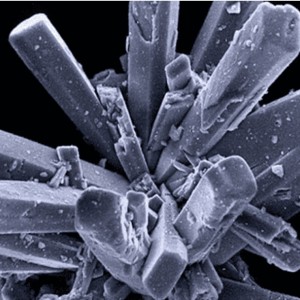
The OsteoGen™ Composite graft line uses the same biomimetic, bioactive crystal technology to harness the body’s ability to heal itself.
News 21 September 2026

The Aspen Group (TAG), a leading healthcare support organization headquartered in Chicago’s West Loop, today announced two key additions to its marketing leadership team: David Chr
News 21 September 2026
BlancOne® Click+ introduces a simple 10-minute professional teeth-whitening experience designed to integrate into existing hygiene appointments, helping dental practices create new
Editorials 21 September 2026

The new school year is in full swing at Texas A&M College of Dentistry, and that includes a host of faculty promotions and new hires and important happenings.
Endodontics 21 September 2026
This peer-reviewed endodontics article summarizes clinical evidence from Journal of dentistry (2026). It focuses on findings that may help dental professionals evaluate treatment decisions, patient...



Copyright © 2026 - All Rights Reserved
ISSN 2767-1178