


Orthodontic Supplies Market Poised for Growth

The “Orthodontic Supplies Market – Global Industry Size, Share, Trends, Opportunity, and Forecast, 2020–2030F” has been added to ResearchAndMarkets.com’s offering.
The Orthodontic Supplies Market was valued at USD 7.02 billion in 2024 and is expected to reach USD 10.66 billion by 2030, rising at a CAGR of 7.36%.
This growth is fueled by the increasing prevalence of orthodontic conditions such as malocclusions, crowding, and jaw irregularities, as well as heightened awareness of oral health and aesthetics. Orthodontic supplies encompass a range of devices including brackets, archwires, aligners, and diagnostic tools, all of which are essential in the treatment process.
Rising demand for customized and minimally visible solutions like clear aligners and ceramic braces is expanding the patient base, particularly among adults. Enhanced access to dental care, advancements in digital orthodontics, and the growing use of innovative treatment technologies are further propelling market expansion. Global health data highlights the increasing need for orthodontic intervention, especially among children and adolescents, reinforcing long-term market growth across both developed and emerging regions.
Key Market Drivers: Technological Advancements
Rapid advancements in orthodontic technologies have enhanced treatment precision, reduced discomfort, and improved patient outcomes. Innovations such as 3D printing enable the custom fabrication of aligners and brackets with exceptional accuracy. Digital impressions and intraoral scanners have replaced traditional molds, offering more comfort and efficiency. CAD/CAM systems allow for precise and personalized design of orthodontic components. Imaging techniques like Cone Beam CT improve diagnostic capabilities, while AI-powered software assists in creating more effective treatment plans.
Additionally, remote monitoring tools and mobile apps are enabling orthodontists to track treatment progress and engage with patients virtually. These technologies not only increase patient satisfaction but also streamline clinical workflows, reinforcing the appeal and adoption of orthodontic supplies worldwide.
Key Market Challenges: Consumer Preferences
Shifting consumer expectations present ongoing challenges for orthodontic product developers and providers. Patients increasingly prioritize aesthetics, seeking less visible treatment options such as clear aligners and ceramic brackets. Comfort and convenience are also top concerns, prompting demand for removable, low-maintenance appliances. Furthermore, patients often prefer faster treatment durations and digitally supported services like teleorthodontics and virtual consultations. Cost considerations remain a major factor in treatment decisions, particularly in regions with limited insurance coverage. These evolving preferences necessitate continuous innovation and adaptability from manufacturers and orthodontists to ensure satisfaction and compliance.
Key Market Trends: Invisible Aligners
The rising popularity of invisible aligners is reshaping the orthodontic landscape. These clear, removable devices offer a nearly invisible alternative to traditional braces, making them highly attractive to self-conscious patients. Designed for comfort and flexibility, aligners avoid the discomfort associated with wires and brackets. Their removability enhances oral hygiene and eating convenience, while computer-aided modeling allows patients to preview results in advance.
The custom-fit nature of aligners ensures precise tooth movement, and fewer in-person visits support remote care models. These benefits have made invisible aligners a top choice for both teens and adults, driving their adoption globally.
About ResearchAndMarkets.com
ResearchAndMarkets.com is the world’s leading source for international market research reports and market data. We provide you with the latest data on international and regional markets, key industries, the top companies, new products, and the latest trends.
Source: https://www.researchandmarkets.com
 Related articles
Orthodontics 21 August 2026
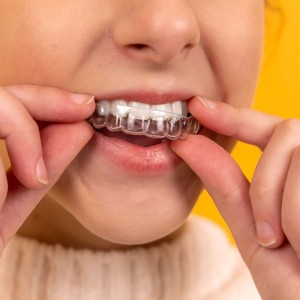
This peer-reviewed orthodontics article summarizes clinical evidence from Dental press journal of orthodontics (2026). It focuses on findings that may help dental professionals evaluate treatment...
News 20 August 2026

Contribution to multiple-choice CBT development supports ongoing efforts to establish competency standards in aligner orthodontics
Products 07 August 2026

Partnership with Eversmile makes o scillating s ystem available through HSO in the United States.
Orthodontics 07 August 2026
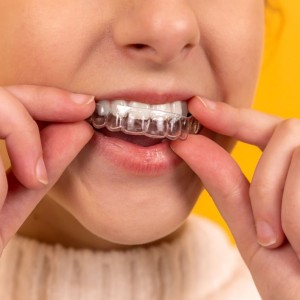
This peer-reviewed orthodontics article summarizes clinical evidence from Dental press journal of orthodontics (2026). It focuses on findings that may help dental professionals evaluate treatment...

Partnership with Eversmile makes o scillating s ystem available through HSO in the United States.
Read more
Products 14 October 2026
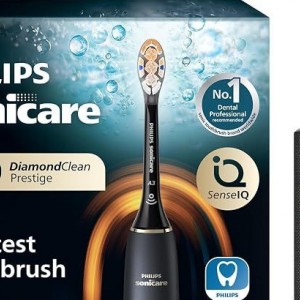
Royal Philips (NYSE: PHG, AEX: PHIA) announced that the Philips Sonicare Next-Generation DiamondClean 9900 Prestige, its most advanced and intelligent toothbrush to date, is now av

Key transaction by Heartland Dental and its supported practices expands opportunities for supported doctors, teams, and practices while strengthening Heartland Dental’s supported f
News 14 October 2026
Henry Schein Cares Celebrates 25 Years of Corporate Citizenship

Henry Schein Cares, Henry Schein, Inc.’s global corporate citizenship program, is celebrating a quarter century of bringing together Team Schein Members, customers, supplier partne
Editorials 14 October 2026
Scholarship at the CU Anschutz School of Dental Medicine reflects the collective contributions of our faculty, staff, residents and students.
Oral Hygiene & Prevention 14 October 2026
Propolis-containing formulations in caries prevention - a systematic review and meta-analysis.

This peer-reviewed oral hygiene & prevention article summarizes clinical evidence from Clinical oral investigations (2026). It focuses on findings that may help dental professionals evaluate...



Copyright © 2026 - All Rights Reserved
ISSN 2767-1178