


Efficacy of a simplified photobiomodulation protocol in orthodontic patients: a randomized crossover clinical trial.
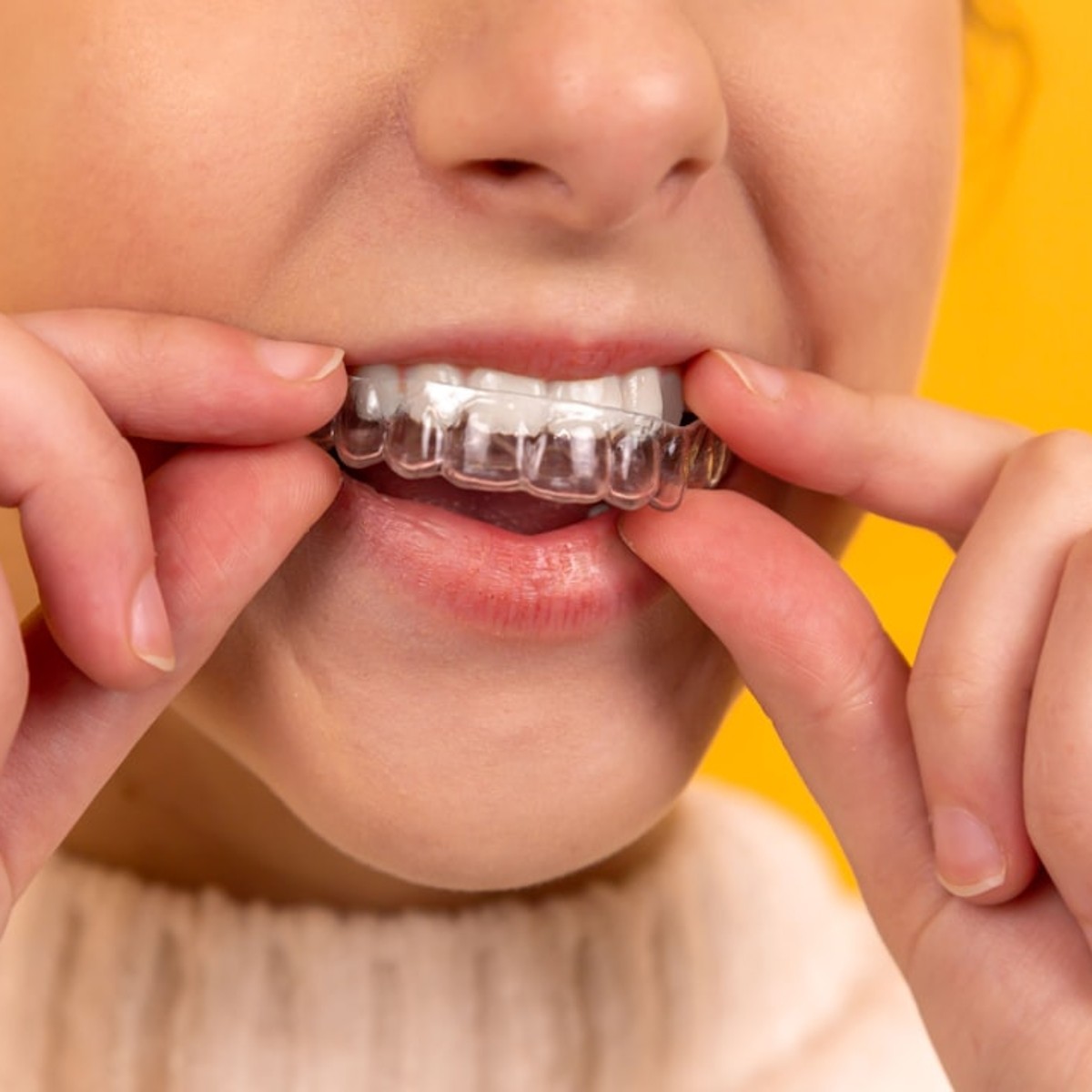
This peer-reviewed orthodontics article summarizes clinical evidence from Dental press journal of orthodontics (2026). It focuses on findings that may help dental professionals evaluate treatment decisions, patient outcomes, or clinical protocols.
Abstract
INTRODUCTION: Pain in orthodontic treatments results from an inflammatory process due to the application of forces. Despite photobiomodulation having shown effectiveness in reducing pain sensitivity, the method requires multiple sessions, which complicates its practical application in orthodontic clinics.
OBJECTIVE: To test a simplified protocol of photobiomodulation with a single application in adults undergoing orthodontic treatment.
MATERIAL AND METHODS: This single-blind, randomized, crossover study evaluated 30 participants undergoing fixed orthodontic treatment. Half of them received a single application of photobiomodulation, while the other half received a placebo, with group crossover after one month. The application was performed at 10 points using a GaAlAs diode laser (100 mW/cm2) immediately after appliance activation. Pain was assessed using a visual analog scale (VAS) at T0 (before the orthodontic check-up appointment), T24h (24 hours after the orthodontic control appointment), and T48h (48 hours after the orthodontic control appointment), and data were analyzed using two-way repeated measures ANOVA (time and intervention).
RESULTS: A total of 27 participants were evaluated. Pain was significantly higher at T24h than at T48h in both groups. Although there was no difference in pain sensitivity between the groups at T24h, pain significantly decreased in the intervention group after 48 hours. The variables of sex and age did not influence pain perception.
CONCLUSION: The study shows that photobiomodulation can help control orthodontic pain, being well accepted by participants and not extending clinical time. However, the analgesic effects are still limited, indicating the need to refine the protocol to enhance its effectiveness.
Key takeaway
Key takeaway: Because the evidence comes from a clinical trial design, the findings may be especially useful when comparing treatment approaches in daily practice.
Introduction from full text
Pain is an unpleasant sensory and emotional experience associated with real or potential tissue damage. The subjectivity of pain brings a great individual variation and dependence of different factors, such as age, sex, emotional state, culture, and previous experiences. 1
Measuring the subjective perception of pain is a hard task. 2 The perception of dental pain remains poorly understood. 3 In Orthodontics, some procedures cause pain and are a major cause of concern for patients and dentists, as well as a reason for treatment discontinuation. 4 Approximately 90% to 95% of orthodontic patients report pain experiences 5 and, consequently about 8% of them give up of the treatment. By the way, it is essential to understand the two most important clinical implications of pain: intensity and duration. 4
The pain resulting from orthodontic movement usually lasts from 2 to 3 days, and its intensity tends to decrease gradually by the fifth or sixth day 6 . In the first 48 hours the pain can be very worrying. About 20% of patients reported waking up at night and most of them describe difficulty in eating. Sometimes they take painkillers and/or anti-inflammatories, 5 but despite frequent pain experiences, most of patients do not take medications effectively. 7
Although the clinical importance, the implications related to pain have been poorly investigated in the literature. 8 Pain seems to be multifactorial and a few number of studies has investigated pain responses after force application and its association to somatic pain response. 9 A significant influence of psychological factors such as catastrophizing and anxiety has been reported. 10 Furthermore, there are assumptions that individuals who are likely to react with somatic pain will also react more strongly to dental pain. 7
Thus, the aim of the present study was to investigate factors associated with pain during orthodontic treatment such as catastrophizing of somatic pain. Age, sex, duration of treatment, the time when the orthodontic appliance was activated (morning or afternoon), and the archwire diameter were also investigated.
Peer-reviewed source
Mylka Suellen de Moura Barros Santos, Renata Travassos da Rosa Moreira Bastos, Nathália Carolina Fernandes Fagundes, David Normando
Dental press journal of orthodontics. 2026
DOI: 10.1590/1981-86372019000223435
PMID: 42018817
PubMed: https://pubmed.ncbi.nlm.nih.gov/42018817/
Image: Diana Polekhina (Unsplash)
 Related articles
News 21 October 2026

Orthodontics 21 August 2026
This peer-reviewed orthodontics article summarizes clinical evidence from Dental press journal of orthodontics (2026). It focuses on findings that may help dental professionals evaluate treatment...
Products 07 August 2026
Partnership with Eversmile makes o scillating s ystem available through HSO in the United States.
Partnership with Eversmile makes o scillating s ystem available through HSO in the United States.
Orthodontics 25 June 2026
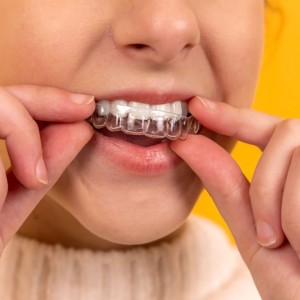
This peer-reviewed orthodontics article summarizes clinical evidence from PloS one (2026). It focuses on findings that may help dental professionals evaluate treatment decisions, patient outcomes, or...
Read more
Edra Professional Books 07 November 2026
The prosperous dental practice: A Practical Reference for Dental Professionals

The prosperous dental practice is an Edra professional dentistry reference focused on clinical practice, education and treatment planning.
Products 06 November 2026
In First Impressions, George Freedman, DDS, gives readers a brief summary of products that have recently been introduced to dentistry, based on his clinical experience.
News 06 November 2026

Healthcare Technology Veteran to Lead Product, Operations, and Engineering as DentalXChange Accelerates Product-Led Growth
News 06 November 2026
CareCredit Pay Later Launches for Health and Wellness Financing

CareCredit Pay Later is CareCredit’s enhanced installment loan product, which will be presented digitally alongside CareCredit’s revolving credit card to give consumers additional
Editorials 06 November 2026

From groundbreaking research to composting on campus, here are some of our favorite stories from 2022.



Copyright © 2026 - All Rights Reserved
ISSN 2767-1178