


Artificial intelligence applications in restorative dentistry: A systematic review

Statement of problem
Artificial intelligence (AI) applications are increasing in restorative procedures. However, the current development and performance of AI in restorative dentistry applications has not yet been systematically documented and analyzed.
Purpose
The purpose of this systematic review was to identify and evaluate the ability of AI models in restorative dentistry to diagnose dental caries and vertical tooth fracture, detect tooth preparation margins, and predict restoration failure.
Material and methods
An electronic systematic review was performed in 5 databases: MEDLINE/PubMed, EMBASE, World of Science, Cochrane, and Scopus. A manual search was also conducted. Studies with AI models were selected based on 4 criteria: diagnosis of dental caries, diagnosis of vertical tooth fracture, detection of the tooth preparation finishing line, and prediction of restoration failure. Two investigators independently evaluated the quality assessment of the studies by applying the Joanna Briggs Institute (JBI) Critical Appraisal Checklist for Quasi-Experimental Studies (nonrandomized experimental studies). A third investigator was consulted to resolve lack of consensus.
Results
A total of 34 articles were included in the review: 29 studies included AI techniques for the diagnosis of dental caries or the elaboration of caries and postsensitivity prediction models, 2 for the diagnosis of vertical tooth fracture, 1 for the tooth preparation finishing line location, and 2 for the prediction of the restoration failure. Among the studies reviewed, the AI models tested obtained a caries diagnosis accuracy ranging from 76% to 88.3%, sensitivity ranging from 73% to 90%, and specificity ranging from 61.5% to 93%. The caries prediction accuracy among the studies ranged from 83.6% to 97.1%. The studies reported an accuracy for the vertical tooth fracture diagnosis ranging from 88.3% to 95.7%. The article using AI models to locate the finishing line reported an accuracy ranging from 90.6% to 97.4%.
Conclusions
AI models have the potential to provide a powerful tool for assisting in the diagnosis of caries and vertical tooth fracture, detecting the tooth preparation margin, and predicting restoration failure. However, the dental applications of AI models are still in development. Further studies are required to assess the clinical performance of AI models in restorative dentistry.
Authors: Marta Revilla-León, Miguel Gómez-Polo, Shantanu Vyas, Abdul Basir Barmak, Mutlu Özcan, Wael Att, Vinayak R. Krishnamurthy
Source: https://www.sciencedirect.com/
 Related articles
This study was not funded by any organization or institution or any research grant company.

This manuscript describes strategies for assessment of precision of several diagnostic artificial intelligence (AI) tools in orthodontics
Editorials 16 March 2026

The Columbia University College of Dental Medicine, in partnership with the Columbia University Center for
Digital Dentistry 22 October 2025
Artificial intelligence in dentistry: Exploring emerging applications and future prospects
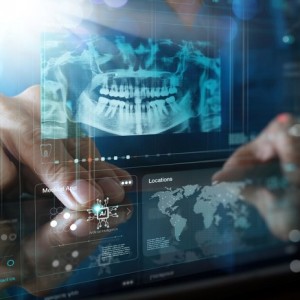
This narrative review aimed to explore the evolution and advancements of artificial intelligence technologies, highlighting their transformative impact on healthcare, education, and specific aspects...
Digital Dentistry 15 October 2025
The Impact of Artificial Intelligence on Diagnostic Accuracy and Treatment Planning in Dentistry

The use of AI in dentistry is revolutionizing the field of dentistry by enhancing the accuracy of diagnosis and treatment.
Read more
Products 15 October 2026
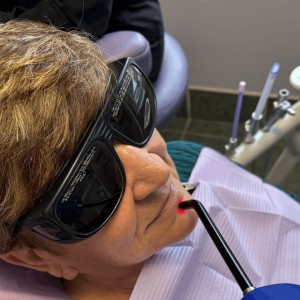
The belief in the healing power of light goes all the way back to ancient Egypt and the worship of Rah, the sun god.
Nearly half the world’s population is affected by oral disease—and the number of cases is rising.
News 15 October 2026

New office at 3170 R Street adds walk-in availability and same-day care options in a region where dental providers are in short supply
Each year, the University of Colorado Anschutz School of Dental Medicine (SDM) Excellence Awards recognize individuals whose dedication, leadership and innovation strengthen our mi
Oral surgery 15 October 2026
This peer-reviewed oral surgery article summarizes clinical evidence from International journal of oral and maxillofacial surgery (2026). It focuses on findings that may help dental professionals...



Copyright © 2026 - All Rights Reserved
ISSN 2767-1178