


College of Dental Medicine Launches AI Fellows Program to Advance Responsible Use of Artificial Intelligence in Education
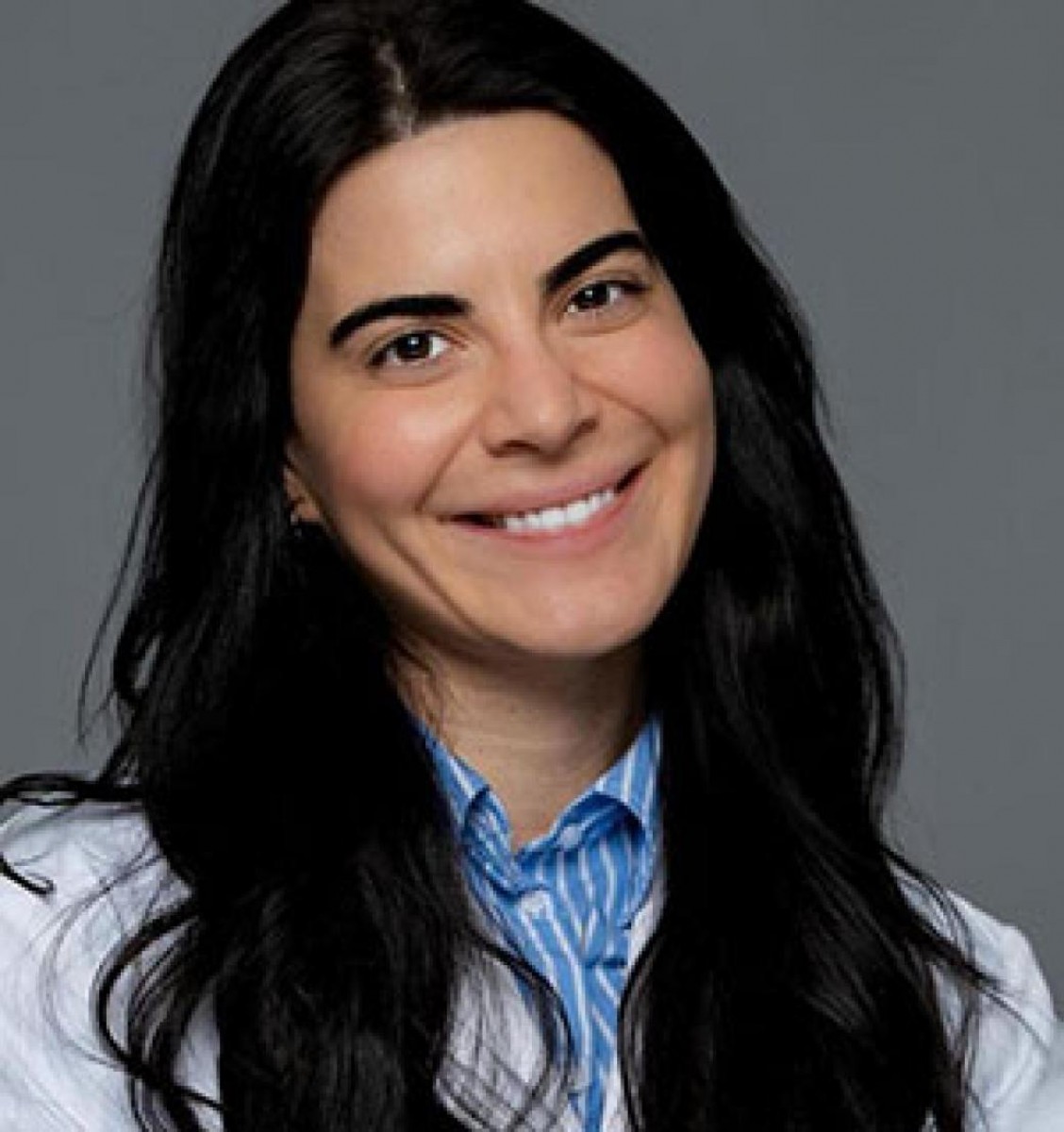
The Columbia University College of Dental Medicine, in partnership with the Columbia University Center for Teaching and Learning, has launched a new AI Fellows Program, the goal of which is to enable faculty members to help guide the integration of artificial intelligence into dental education and clinical training.
The year-long initiative aims to build a community of faculty leaders equipped to evaluate, apply, and teach the responsible use of AI in academic and clinical settings. Through workshops, consultations, and collaborative projects, fellows will explore how emerging technologies can enhance teaching and support student learning.
“As AI continues to reshape higher education and healthcare, it’s critical that faculty develop the skills to engage with these tools thoughtfully and ethically,” said Neria Sebastien, EdD, director of CUIMC Faculty Programs and Services at the Center for Teaching and Learning. “Our goal is to provide a structured pathway for faculty to understand the technology, experiment with it in their teaching, and reflect on the broader implications for teaching and learning.”
The program is structured as a tiered learning experience running through the academic year. Early sessions focus on foundational concepts in generative AI and digital tools, followed by applied workshops that allow faculty to experiment with practical classroom uses. Later sessions will encourage fellows to step back and consider broader issues such as ethics, pedagogy, and the future of AI in education.
The inaugural cohort includes faculty representing a range of disciplines within the dental school, from clinical specialties to foundational sciences. Fellows will collaborate with one another and with institutional leaders to develop recommendations for integrating AI tools across the curriculum.
For Katerina Anastasaki, DDS, MS, a member of the inaugural class, the program represents an opportunity to help both faculty and students navigate a rapidly evolving technological landscape.
“I was very enthusiastic when the fellowship was announced,” Anastasaki said. “It’s very representative of the spirit of the dental college. We’re not just talking about innovation but finding ways to make sure our faculty are trained and prepared.”
Digital technology already plays a central role in prosthodontics, she noted, making AI literacy increasingly important for educators and clinicians alike.
“In my specialty, dentistry has become increasingly digital,” she said. “We need people who are very AI-literate in order to become clinical and educational leaders in the field.”
Anastasaki also emphasized that one of the program’s most important goals will be helping students develop critical thinking about the technology itself.
“I hope to learn not just how to use AI tools, but how to teach students to critically evaluate them and apply them ethically,” she said. “AI is a tool. It helps us get somewhere. But the expertise still comes from our education, our mentors, and our professional judgment.”
Beyond exploring classroom applications, fellows will also consider how AI might support areas such as student feedback, preclinical skill development, and curriculum design.
Ezzard Rolle, DDS, another member of the inaugural cohort, said that he was drawn to the AI Fellows program because the tools being developed will help dentists to deliver better care and be more efficient. Rolle said that he has been involved in integrating an AI platform called OpenEvidence into the Epic electronic health record system in use at Columbia University Irving Medical Center. “It's a clinical platform backed by evidence from the literature,” Rolle said. “It helps us make decisions at the point of care.” He believes that it will be a useful tool for students.
The program is expected to run through the end of the academic year and may eventually expand to other schools within Columbia University Irving Medical Center.
“There’s clearly a lot of interest,” Sebastien said. “If we meet our intended outcomes, this is something we could potentially offer more broadly across the medical center community.”
For now, the inaugural fellows will serve as early leaders in shaping how AI is integrated into dental education at Columbia.
“I think this is really innovative,” Anastasaki said. “It’s just the beginning. This first group will help build expertise and eventually train others, so the impact will continue to grow.”
Source: https://www.dental.columbia.edu/
 Tag
Tag
Related articles
News 29 July 2026

Jessica Sliger, MAT, DDS, FAAPD, FALSC, a board-certified pediatric dentist and adjunct faculty member at the Lyon College School of Dental Medicine, has received multiple national
Editorials 20 April 2026
Shaping the Future of Oral Health Research at Columbia University College of Dental Medicine
In her inaugural lecture Dr. Rena D’Souza opened with a clear message: dentistry has undergone significant transformation and is now entering another pivotal phase.
Products 05 February 2026

Harcum College is stepping up to promote oral health and wellness in the community with its upcoming Sealant Day, a day dedicated to providing free preventive dental care.
Investment supports professional growth for future oral health leaders and expands community outreach for underserved Oklahomans
Editorials 28 January 2026
The forerunner of what’s now Texas A&M College of Dentistry opened 120 years ago in Dallas with the mission of educating dentists to provide quality care to patients in North Texas and beyond....
Read more
Europe 27 September 2026 - 30 November -0001
Digital Dentistry Society Global Congress 2026: Event Preview and Professional Highlights

The Digital Dentistry Society Global Congress 2026 will take place from October 22, 2026 to October 24, 2026 in TBD, Rotating Europe, offering dental professionals a focused environment for...
Editorials 27 September 2026
Dentistry33 survey highlights replacement care, deep caries and evolving restorative workflows
Reader survey finds direct composites remain dominant, secondary caries is the leading reason for restoration replacement, and clinicians want more training in pulp preservation
Reader survey finds direct composites remain dominant, secondary caries is the leading reason for restoration replacement, and clinicians want more training in pulp preservation
Edra Professional Books 26 September 2026
Manual of oral surgery: A Practical Reference for Dental Professionals
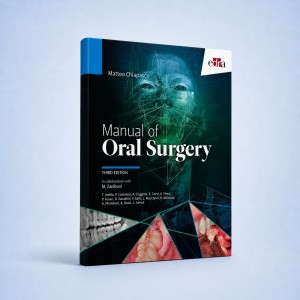
Manual of oral surgery is an Edra professional dentistry reference focused on clinical practice, education and treatment planning.
Products 25 September 2026

Shofu Dental’s line of dental restorative materials now includes FX-LC, a next-generation, light-cure, resin-reinforced glass ionomer formulated to deliver high strength, efficient 4
News 25 September 2026

The scholarships are part of an ongoing workforce solutions strategy to help address the need for skilled dental hygienists


Copyright © 2026 - All Rights Reserved
ISSN 2767-1178