


Evaluation of patient satisfaction and maximum biting force of three differently constructed bars on two implants retaining mandibular overdenture - one year follow-up (a randomized controlled clinical trial).
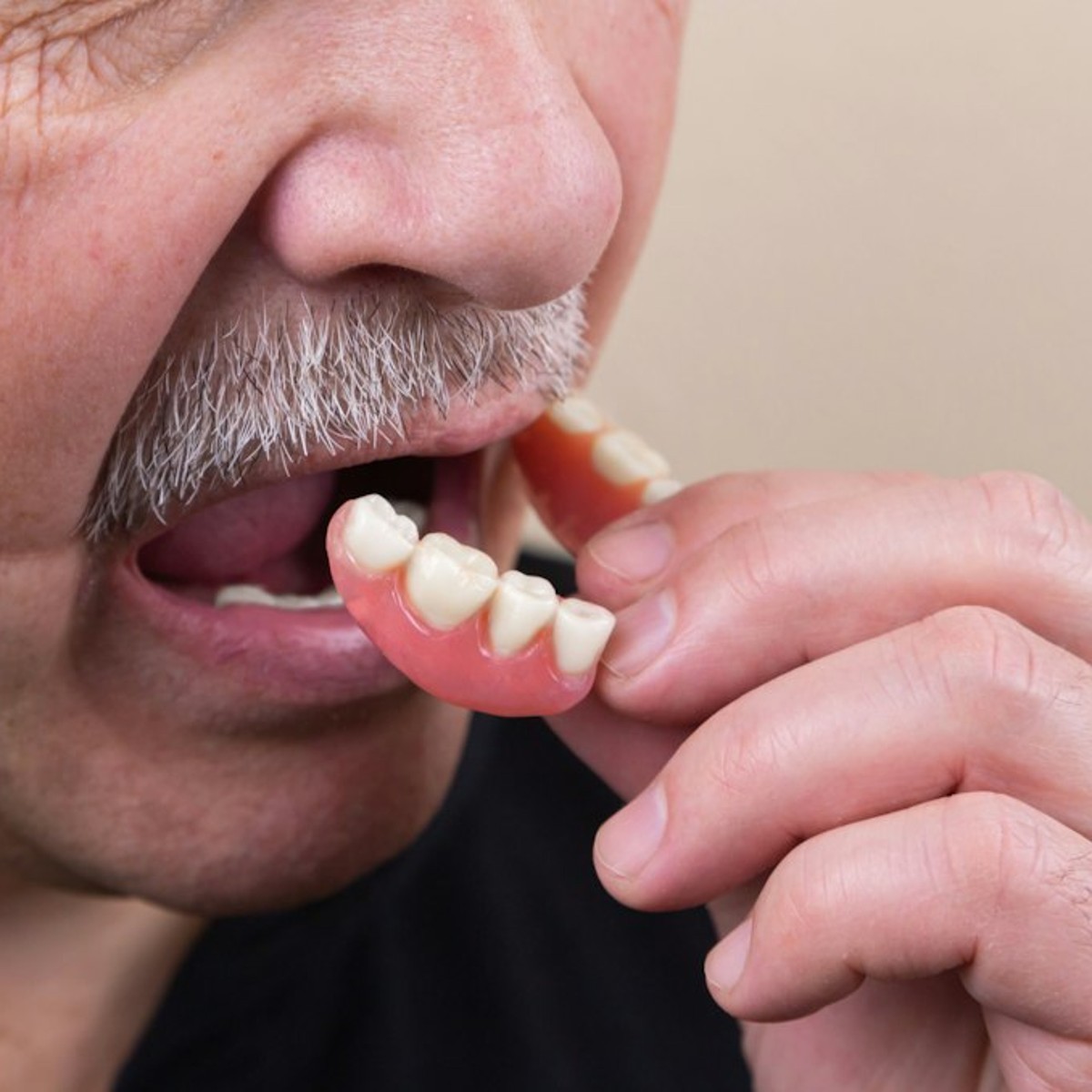
This peer-reviewed prosthodontics article summarizes clinical evidence from BMC oral health (2024). It focuses on findings that may help dental professionals evaluate treatment decisions, patient outcomes, or clinical protocols.
Abstract
BACKGROUND: Different bar construction techniques will affect the bar passive fitness, which may induce stresses or strain on the implant and/or tightening screw and sequentially may affect the biting force and patient satisfaction.
AIM OF THE STUDY: This clinical investigation assessed patient satisfaction and maximum biting force (MBF) using three differently constructed (conventional casting, milling, and 3D printing CAD/CAM techniques) cobalt-chromium (Co-Cr) bar-retained implants mandibular overdentures over a one-year period of follow-up.
MATERIALS AND METHODS: Thirty edentulous patients seeking for two implants bar-retained mandibular overdentures were randomly assigned into three groups as the following: Group I: 10 patients received a Co-Cr conventional casting bar, Group II: 10 patients received a Co-Cr CAD/CAM milled bar, and Group III: 10 patients received a Co-Cr CAD/CAM 3D-printed bar. All the bar groups were connected to two implants in the canine area bilaterally. Within the first two weeks following implant placement, patients received the definitive prosthesis. Patient satisfaction was evaluated by using the (OHIP-EDENT-19) questionnaire form after 6, and 12 months. Additionally, the maximum biting force was tested at after delivery, 3, 6, and 12 months for each group. The results were collected, tabulated, and statistically analyzed.
TRIAL REGISTRATION: This study was recorded on ClinicalTrials.gov retrospectively registered (ID: NCT06401187) on 30/04/2024.
RESULTS: After one year follow up, regrading patient satisfaction the three groups showed no statistically significant difference. Although, the functional limitation domain was in favor of the milled bar. Regarding the maximum biting force, no statistically significant difference was found among three groups. However, at 12 mouths follow-up the milled bar showed statistically value.
CONCLUSION: Within the limitations of this study, the conventional, milled and 3D printed bar overdentures groups can be used as a satisfactory treatment modality for edentulous mandible in terms of patient satisfaction and maximum biting force.
Key takeaway
Key takeaway: Because the evidence comes from a clinical trial design, the findings may be especially useful when comparing treatment approaches in daily practice.
Introduction from full text
Complete edentulism is associated with decreased masticatory function, as well as unfavorable esthetics due to loss of support for the facial musculature, decreased vertical dimension, and speech impairment. The conventional method for treating edentulism patients is to rehabilitate them with conventional complete dentures. However, denture must be adjusted overtime to compensate for progressive tissue changes associated with denture wearing. Patients who wear conventional dentures often complain about the instability of the prosthesis, particularly the mandibular denture. Denture instability leads to a feeling of insecurity, inefficient mastication, and overall dissatisfaction with the prosthesis. Advances in implant dentistry have allowed a shift from conventional complete denture to implant-supported overdenture for oral rehabilitation of edentulism patients.[ 1 ] The McGill consensus statement in 2002 and some other studies state that the mandibular implant overdentures should be the first treatment of choice for edentulous patients. Implant-retained overdentures have many advantages over conventional complete dentures as chewing efficiency, masticatory bite force, and general patient satisfaction improves tremendously.[ 2 ]
Chewing replaces the body's nutrients, thereby facilitating the maintenance of the body composition. Mastication is the first step and consists of a rhythmic separation and apposition of the jaws and involves biophysical and biochemical processes. Although data on the importance of chewing on various stages of digestion are limited, it has been concluded that the chewing efficiency as low as 25% is adequate for complete digestion of food. Patients do not, however, compensate for a smaller number of teeth by more prolonged or a larger number of chewing strokes; they merely swallow large food particles. Nevertheless, loss of teeth can lead to a diminished chewing efficiency, and there is evidence of restricted dietary choice with resultant systemic effects. Clinical experience suggests a relationship between the quality of prosthetic service and denture wearers chewing performance. Dentures move during mastication because of dislodging forces of the surrounding musculature. These movements manifest themselves as displacing, lifting, sliding, tilting, or rotating of the prosthesis. Mandibular implant overdenture helps in better stability, support, and retention which reduces the denture movements and furthermore helps in achieving better chewing efficiency and masticatory bite force. The masticatory performance is reduced to one-fourth to one seventh of the performance of dentate subjects, depending on age and type of food. Thus, denture wearers need seven times more masticatory cycles to reduce food to half of its original size.[ 3 4 ] Reported masticatory bite forces using complete denture is much smaller than those produced by natural dentition which is of the order of 200 N. Although maximum bite forces of 60–80 N have been reported for complete dentures and 150–170 N for implant-supported overdenture.[ 4 5 ]
In the current study, the image analysis of the finest chewed particles and the micro measurements were accomplished by Micro Vu excel gantry type visual measurement machine (VMM). The grid system of the machine resulted in achieving a very high accuracy ranging from 2–5 μ. The simplicity of the design of the machine and the Inspec software (Micro vu) made it highly reliable, efficient, easy to use, and inspect even the finest of particle sizes for micro measurements. The transducer bite force device was used for the measurements of masticatory bite force and Oral Health impact profile for Edentulous Patient (OHIP-edent) index for the evaluation of patient satisfaction.
The purpose of this within-subject crossover clinical trial was to compare and evaluate the chewing efficiency, masticatory bite force, and patient satisfaction with conventional dentures and two implant-retained mandible overdentures after 4 weeks of usage.
Peer-reviewed source
Amr Mohamed Ismail Badr, Mona Nabawy, Gehan Fekry Mohammed, Shaimaa Ahmed Radwan
BMC oral health. 2024
DOI: 10.1111/clr.13668
PMID: 39522003
PubMed: https://pubmed.ncbi.nlm.nih.gov/39522003/
Image: Diana Polekhina (Unsplash)
 Related articles
Prosthodontics 20 November 2026
This peer-reviewed prosthodontics article summarizes clinical evidence from BMC oral health (2025). It focuses on findings that may help dental professionals evaluate treatment decisions, patient...
Prosthodontics 12 November 2026
This peer-reviewed prosthodontics article summarizes clinical evidence from BMC oral health (2026). It focuses on findings that may help dental professionals evaluate treatment decisions, patient...
Prosthodontics 01 May 2026
Recent Advances in Prosthodontics: Embracing Innovation for Precision and Patient-Centered Care
Prosthodontics, a core specialty in dentistry, continues to evolve dramatically in response to emerging technologies and changing patient expectations.
Prosthodontics 16 April 2026
The use of orthodontics before fixed prosthodontics in restorative dentistry
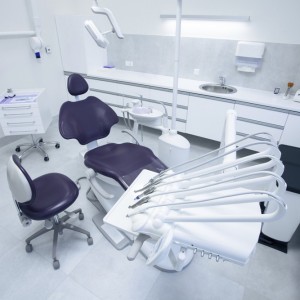
For a variety of reasons, orthodontic intervention is often overlooked as a viable modality to correct occlusal, axial, rotational, and space discrepancies before undertaking fixed prosthetic...
Prosthodontics 01 April 2026
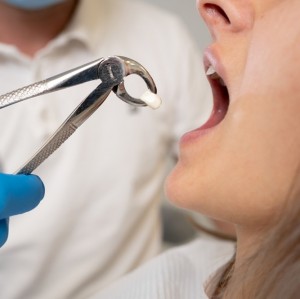
Evidence-based clinical practice is a process of combining research utilization, clinical expertise, and appreciation of the unique needs of patients to achieve better quality of care and improved...
Read more
Products 27 November 2026

News 27 November 2026

News 27 November 2026
Planet DDS Expands Into Canada With Canadian Dental Services

First Canadian customer selects Denticon for its general practice locations, launching a broader expansion to bring connected, cloud-native dental operations to the market.
Editorials 27 November 2026
Growing evidence suggests that periodontal disease during pregnancy may be associated with serious complications, including preterm birth, low birth weight, preeclampsia, and gesta
Products 26 November 2026
Kairos Health Helps Dental Practices Turn Patient Follow-Ups Into Scheduled Appointments

Kairos Health, a Y Combinator-backed company, offers AI voice agents that help dental practices follow up with patients, manage incoming calls, and fill their schedules.


Copyright © 2026 - All Rights Reserved
ISSN 2767-1178