


Evaluation of occlusion and disocclusion time in immediately loaded implant overdentures retained by two splinted versus non-splinted interforaminal implants: A randomized clinical trial.
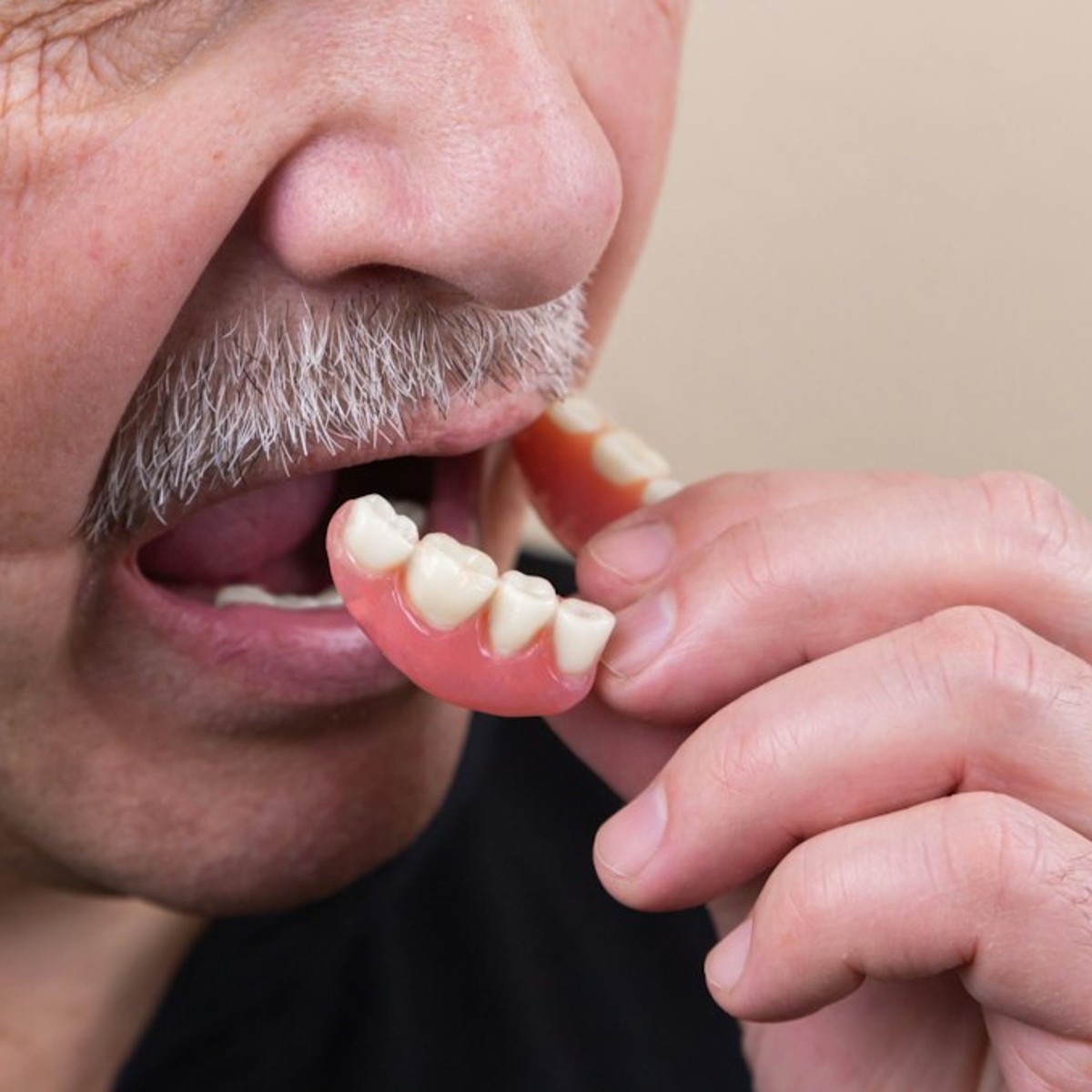
This peer-reviewed prosthodontics article summarizes clinical evidence from BMC oral health (2026). It focuses on findings that may help dental professionals evaluate treatment decisions, patient outcomes, or clinical protocols.
Abstract
BACKGROUND: Mandibular complete dentures often lack stability, leading to prolonged occlusion and disocclusion times. Immediate-loading implant overdentures can improve functional control, but evidence comparing splinted and non-splinted two-implant overdentures is limited. This randomized clinical trial aimed to evaluate occlusion and disocclusion times in patients receiving immediately loaded mandibular overdentures retained by two implants, comparing ball attachments and intraoral welded bar attachments, with conventional complete dentures serving as the control group.
METHODS: Thirty-six completely edentulous patients were randomized into three equal groups (n = 12 each): conventional complete dentures (CD), two-implant overdentures retained with ball attachments (IB), and two-implant overdentures retained with an intraoral welded bar (IW). Occlusion (OT) and right and left disocclusion times (DR, DL) were measured using the T-Scan system on the day of implant placement (T1) and after three months (T2). Data were normally distributed; Mixed ANOVA was used to assess the effects of time, treatment, and their interaction. Paired t-tests were additionally used for within-group comparisons. Post hoc Tukey tests were performed for pairwise comparisons, with Bonferroni correction applied for multiple testing. Statistical significance was set at P < 0.05.
RESULTS: At T1, the CD group exhibited significantly longer occlusion time (OT: 0.52 ± 0.07 s), right disocclusion time (DR: 0.57 ± 0.04 s), and left disocclusion time (DL: 0.58 ± 0.04 s) compared with the IB (OT: 0.35 ± 0.06 s; DR: 0.40 ± 0.04 s; DL: 0.40 ± 0.02 s) and IW (OT: 0.29 ± 0.02 s; DR: 0.36 ± 0.03 s; DL: 0.42 ± 0.01 s) groups (P < 0.001), indicating that implant-supported overdentures achieved more efficient occlusal contacts. No significant differences were observed between IB and IW. At T2, the pattern persisted, with the CD group showing a significant reduction in OT, DR, and DL over time (P < 0.05), reflecting improved OT and DT of CD, whereas both implant overdenture groups maintained stable OT and DT.
CONCLUSIONS: Within three months of follow-up, immediately loaded mandibular overdentures retained by two implants showed similar OT and DT for IW and IB, while both groups showed shorter times compared to CD under the tested conditions.
TRIAL REGISTRATION: This randomized clinical trial was registered prospectively on Clinical Trials.gov with the Identification number: NCT06376019 on 19/04/2024.
Key takeaway
Key takeaway: Because the evidence comes from a clinical trial design, the findings may be especially useful when comparing treatment approaches in daily practice.
Introduction from full text
Bruxism is an intensely debated condition in the literature due to its clinical and research implications regarding etiology, assessment methods, and clinical manifestations.
Recently, specialists in the field have emphasized the importance of separating SB (sleep bruxism) from AB (awake bruxism), as they could have different etiologies, culminating with the first Consensus on bruxism [ 1 ]. In 2012, based on the definitions developed in the 8th edition of the Glossary of Prosthodontic Terms (GPT-8) [ 2 ], in the second edition of the International Classification of Sleep Disorders (ICSD-2) [ 3 ], and in the fourth edition of the Orofacial Pain Guidelines (OFPG-4) [ 4 ], published by the American Academy of Orofacial Pain, a new definition of bruxism was developed that could be used by all specialists. In 2018, the second Consensus on bruxism was developed in which separate definitions were formulated for the two forms of bruxism [ 5 ], and later, in 2020, the development of a standardized system for evaluating bruxism was proposed (STAB—Standardized Tool for the Assessment of Bruxism) [ 6 , 7 , 8 , 9 , 10 , 11 , 12 ]. According to this standardized system, future research in the field of bruxism will be directed along two axes: Axis A, which will include studies related to the evaluation of bruxism, and Axis B, which will include studies related to the etiology of bruxism, risk factors, and predisposing factors and the importance of the two forms of bruxism (SB and AB) due to different etiologies.
Over time, several etiological theories of bruxism have been formulated. Although these theories are difficult to confirm or disprove due to the controversial nature of the condition, most of them suggest a multifactorial etiology [ 13 , 14 , 15 , 16 , 17 , 18 , 19 , 20 , 21 ].
Initially, SB was thought to be caused by occlusal factors such as occlusal interferences and premature contacts, with tooth wear confirming the clinical diagnosis.
Currently, in addition to occlusal factors [ 22 ], sleep disorders [ 23 , 24 , 25 ], psycho-behavioral factors [ 24 ], and the involvement of central nervous mechanisms are considered [ 15 , 17 ].
The association of bruxism with temporomandibular disorder (TMD) is also studied without being able to specify whether bruxism is a manifestation of TMD or if bruxism causes TMD [ 26 , 27 , 28 ].
The role of dental occlusion in bruxism was invoked in 1961 by Ramfjord, and subsequent studies supported this concept, as occlusal balancing reduced SB [ 29 , 30 ]. Other studies have disputed the involvement of occlusal imbalances in SB and stated that occlusal therapy does not reduce bruxism [ 31 , 32 ]. Griffin, in 2003, referring to the role of occlusion in bruxism, stated that for the management of bruxism, it is essential to achieve harmony between the centric relation (CR) and maximum intercuspation (MI) [ 33 ].
Currently, there are no studies showing that occlusal adjustments (balancing) reduce muscle activity in bruxism, but several studies associate the use of occlusal mouth guard with reduced masticatory muscle activity in bruxism [ 22 , 34 , 35 ].
Moreover, Manfredini et al. [ 36 ] stated, based on a review of the specialized literature, that there is still a lack of methodological studies that definitively reject the importance of occlusal factors in the etiology of bruxism.
Starting from these data, the present study aims to evaluate static and dynamic dental occlusion, using the T-Scan III system to highlight aspects of dental occlusion that may be associated with the presence of bruxism. To establish an association between occlusal factors and bruxism, the results obtained by T-Scan analysis were correlated with those obtained by surface electromyographic (sEMG) recording of the masseter muscle [ 37 ]. The null hypothesis would be that there are no associations between occlusal factors and bruxism.
The present research is a cross-sectional study conducted on students from the Faculty of Dental Medicine Craiova, Romania.
This study falls under Axis B according to STAB, namely establishing the role of occlusal factors in the etiology of bruxism.
Peer-reviewed source
Omnia M Refai, Ahmed Mostafa Abdelfattah Mohamed, Amr Mohamed Ali El-Fiky
BMC oral health. 2026
DOI: 10.1186/s12903-026-08855-w
PMID: 42332660
PubMed: https://pubmed.ncbi.nlm.nih.gov/42332660/
Image: Diana Polekhina (Unsplash)
 Related articles
Prosthodontics 01 May 2026
Recent Advances in Prosthodontics: Embracing Innovation for Precision and Patient-Centered Care
Prosthodontics, a core specialty in dentistry, continues to evolve dramatically in response to emerging technologies and changing patient expectations.
Prosthodontics 16 April 2026
The use of orthodontics before fixed prosthodontics in restorative dentistry
For a variety of reasons, orthodontic intervention is often overlooked as a viable modality to correct occlusal, axial, rotational, and space discrepancies before undertaking fixed prosthetic...
Prosthodontics 01 April 2026
Evidence-based clinical practice is a process of combining research utilization, clinical expertise, and appreciation of the unique needs of patients to achieve better quality of care and improved...
Digital Dentistry 03 March 2026
Digital technology in complete denture prosthodontics: a review of literature

Computer-aided design and computer-aided manufacturing (CAD/CAM) technology has expanded to embrace implant, maxillofacial and removable prosthodontics including the fabrication of complete dentures.
Prosthodontics 28 January 2026
Prosthodontics: achieving quality esthetic dentistry and integrated comprehensive care

Prosthodontics is the dental specialty responsible for diagnosis, rehabilitation and maintenance of patients with complex clinical conditions involving missing or deficient teeth and/or craniofacial...
Read more
Editorials 12 November 2026
Maynard K. Hine Scholarship and Daniel M. Laskin Professional Ethics Lectures

Each year, the Indiana Section of the American College of Dentists teams up with Indiana University School of Dentistry's Daniel Laskin Professional Ethics Lectureship Series to br
Products 12 November 2026
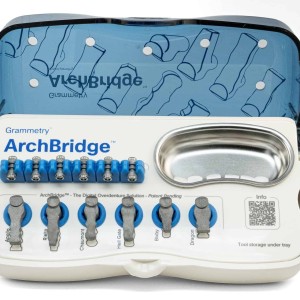
ROE Dental Laboratory has introduced ArchBridge for Overdenture™, a patent-pending, fully digital scanning system and workflow designed for both fixed and removable overdenture cas
News 12 November 2026
Spear Summit 2027 Registration Opens for Dental Professionals

This immersive educational event will bring dental professionals together for clinical education, practical growth strategies, and professional connections.
News 12 November 2026
GuidedSMILE Receives New Patent for Guided Dental Implant Surgery

Editorials 11 November 2026
The Indiana University School of Dentistry has been advancing oral health in the state and beyond since 1879, when it was founded as the Indiana Dental College.


Copyright © 2026 - All Rights Reserved
ISSN 2767-1178