


Recent Advances in Prosthodontics: Embracing Innovation for Precision and Patient-Centered Care
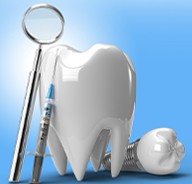
Prosthodontics, a core specialty in dentistry, continues to evolve dramatically in response to emerging technologies and changing patient expectations. The past decade has witnessed transformative advancements that not only enhance clinical precision but also improve patient comfort, satisfaction, and oral health outcomes. This editorial highlight the significant recent developments in prosthodontics, emphasizing their implications for clinical practice, education, and future research.
1. Digital Dentistry and CAD/CAM Integration
The digital revolution in prosthodontics has been primarily driven by Computer-Aided Design and Computer- Aided Manufacturing (CAD/CAM) systems. These technologies enable clinicians to fabricate crowns, bridges, dentures, and implant prostheses with unmatched precision and efficiency. Digital impressions, obtained via intraoral scanners, reduce patient discomfort, eliminate the need for conventional impression materials, and improve the accuracy of restorations [1]. Furthermore, CAD/CAM milling and 3D printing allow for chairside restorations and rapid prototyping, streamlining the workflow in both clinical and laboratory settings [2].
2. Implant Prosthodontics and Osseointegration Enhancements
Implant-supported prostheses have redefined the rehabilitation of partially and completely edentulous patients. Recent advances include Osseodensification techniques, which preserve bone density during implant site preparation and promote greater primary stability and long-term success rates [3]. In addition, zirconia-based prostheses and hybrid abutment designs offer improved aesthetics and biocompatibility compared to traditional metal-based systems [4]. Digital implant planning software and guided surgical templates have further enhanced predictability and reduced intraoperative complications. These systems allow prosthodontists to visualize the ideal prosthetic outcome and reverse-engineer the surgical plan accordingly [5].
3. Evolution in Maxillofacial Prosthetics and Biocompatible Materials
Maxillofacial prosthodontics has benefitted from advances in material sciences, particularly the use of RTV silicone elastomers and 3D printing for craniofacial prosthesis fabrication. These materials offer superior flexibility, coloration, and adaptability to patient-specific defects [6]. Moreover, digital facial scanning and rapid prototyping have enabled non-invasive, quick, and cost-effective production of extraoral prostheses, significantly improving the psychological and social rehabilitation of affected individuals.
4. Regenerative Prosthodontics and Tissue Engineering
The integration of stem cell biology and tissue engineering into prosthodontics has ushered in a new era of regenerative prosthodontics, aiming to biologically restore lost tissues rather than merely replacing them with artificial materials. Efforts in bone grafting, scaffold fabrication, and growth factor delivery are showing promising outcomes for the reconstruction of alveolar ridges and peri-implant tissues [7].
5. Artificial Intelligence (AI) and Machine Learning
AI is increasingly being incorporated into prosthodontic diagnostics and treatment planning. Algorithms can now analyze occlusal relationships, detect wear patterns, and predict prosthetic failures, facilitating more informed decision-making [8]. AI-driven tools also assist in customizing prosthesis designs, minimizing human error, and optimizing the fabrication process.
6. Flexible Dentures and Bio functional Prosthetics
Flexible denture base materials like nylon-based thermoplastics have emerged as alternatives to conventional acrylic resins for specific clinical scenarios. These materials offer improved comfort, esthetics, and adaptation, particularly in patients with undercut areas or acrylic allergies [9]. Additionally, biofunctional prosthetic systems (BPS) are being recognized for their ability to mimic natural oral function by incorporating dynamic occlusion and anatomical tooth morphology.
7. Education, Virtual Simulation, and Skill Enhancement
With digital simulation tools and virtual reality (VR) platforms, prosthodontic education is undergoing a significant transformation. VR modules allow students and residents to practice clinical procedures in a risk-free environment, improving their hand skills and conceptual understanding [10]. These technologies also provide a solution to the challenge of limited patient availability in academic institutions.
Conclusion
The field of prosthodontics stands at the forefront of technological innovation in dentistry. From digital workflows and biocompatible materials to AI integration and regenerative techniques, the discipline is evolving into a science that harmonizes esthetics, functionality, and biological health. As we embrace these advancements, continuous education, ethical integration, and patient-centered application remain vital. The future of prosthodontics lies in a collaborative approach that bridges technology, biology, and artistry.
Full article and references here.
Authors: Arpit Sikri
Source: https://www.nexavens.com/
 Related articles
Prosthodontics 16 April 2026
The use of orthodontics before fixed prosthodontics in restorative dentistry
For a variety of reasons, orthodontic intervention is often overlooked as a viable modality to correct occlusal, axial, rotational, and space discrepancies before undertaking fixed prosthetic...
Prosthodontics 01 April 2026
Evidence-based clinical practice is a process of combining research utilization, clinical expertise, and appreciation of the unique needs of patients to achieve better quality of care and improved...
Digital Dentistry 03 March 2026
Digital technology in complete denture prosthodontics: a review of literature

Computer-aided design and computer-aided manufacturing (CAD/CAM) technology has expanded to embrace implant, maxillofacial and removable prosthodontics including the fabrication of complete dentures.
Prosthodontics 28 January 2026
Prosthodontics: achieving quality esthetic dentistry and integrated comprehensive care

Prosthodontics is the dental specialty responsible for diagnosis, rehabilitation and maintenance of patients with complex clinical conditions involving missing or deficient teeth and/or craniofacial...

The purpose of this narrative review is to organize information and knowledge about the properties of the clinical evidence of zirconia-applied dental restorations and to provide relevant information...
Read more
Products 22 September 2026
News 22 September 2026
New FlexPayments features help Open Dental practices convert more diagnosed treatment into scheduled care and automatically recover credit card processing fees they’ve been absorbi
News 22 September 2026
The Accreditation Association for Ambulatory Health Care (AAAHC) has accredited Momenta Oral & Maxillofacial Surgery, a full-scope oral and maxillofacial surgery (OMS) practice wit
Editorials 22 September 2026
Tooth travelers: Students sharpen their skills on dental mission trips over the summer breaks
A busy dental student scheduled to graduate next May, few would fault Mackenzie “Kenzie” Bankes for heading to Jamaica for a few lazy days to enjoy sandy beaches and misty mountain
Oral pathology 22 September 2026
This peer-reviewed oral pathology article summarizes clinical evidence from Oral oncology (2026). It focuses on findings that may help dental professionals evaluate treatment decisions, patient...



Copyright © 2026 - All Rights Reserved
ISSN 2767-1178