


Current trend in biomimetic approaches and materials
By Lorenzo Breschi and Diego D’Urso
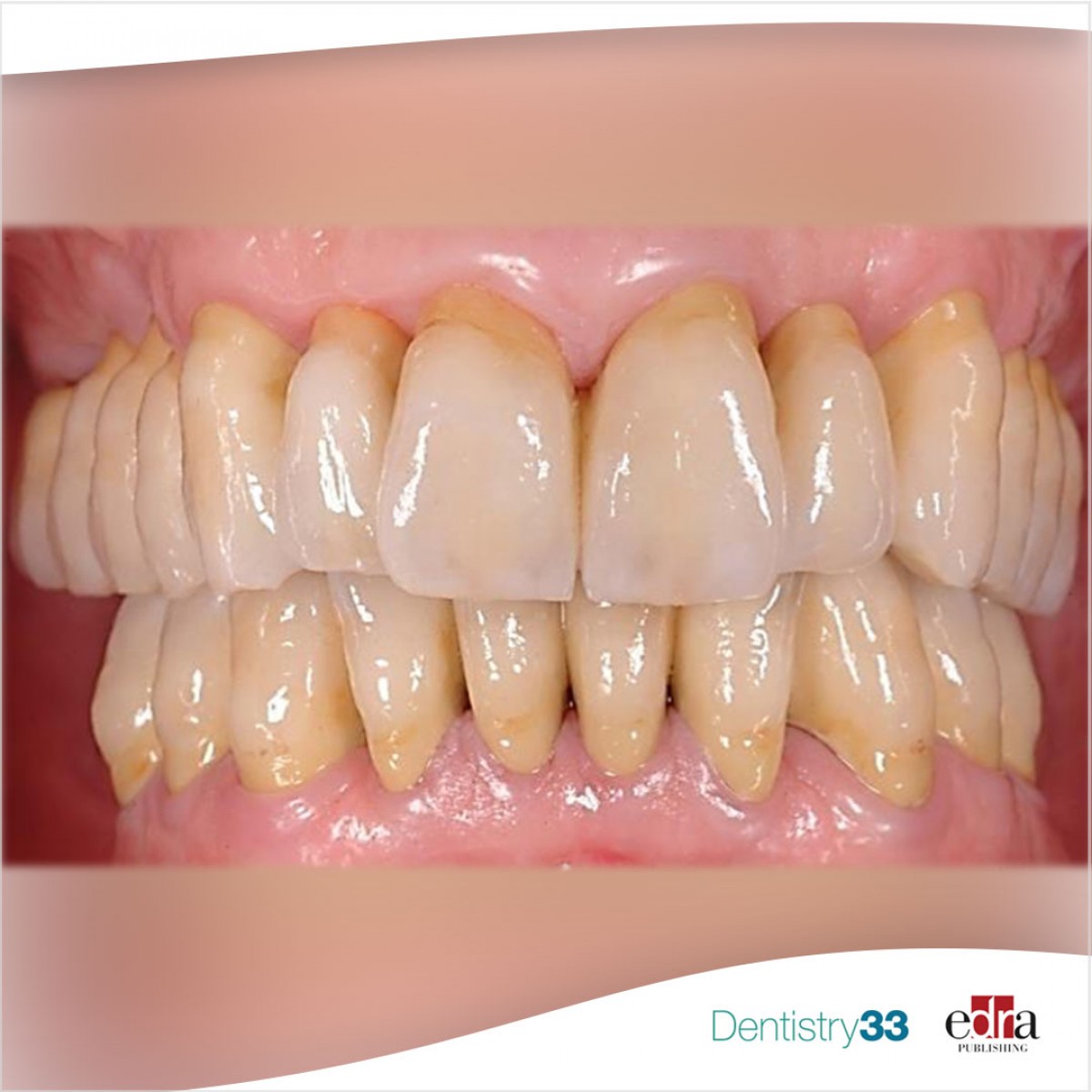
Today biomimetic concept is of growing interest in dentistry. Biomimetic dental materials have been applied in different dental fields with the advantages of enhanced strength, sealing, regenerative and antibacterial abilities, overcoming limitations of earlier available generations. The purpose of using biomimetic concept is to conserve tooth structure and vitality, increase the longevity of restorative dental treatments, and eliminate the need for future retreatment. Singer et al. reviewed the most recent literature and discussed various biomimetic dental restorative materials and tissue engineering materials.
Materials and methods
This review analyzed in detail different approaches in restorative dentistry and biomimetic materials, through various restoration techniques. The use of glass-ionomer cements, dental composite resins and ceramics is widely discussed. An emphasis was placed on dentin remineralization, describing crystallite’s growth conventional remineralization approach and bottom-up biomimetic remineralization approaches. Furthermore, many bioactive materials are presented: bioactive glass, casein phosphopeptide-amorphus calcium phosphate, zinc oxide loaded materials, and non-collagenous proteins analogues like polydopamine, polyamidoamine dendrimer and sodium trimetaphosphate. In addition, the state of the art regarding biomimetic dentine-pulp complex regeneration were addressed. Biomimetic regeneration of the dentin-pulp complex is a contemporary approach that involves disinfecting the root canal system followed by application of bioactive materials such as biomimetic cement, growth factors, stem cells or scaffolds. These materials and approaches can control signaling and differentiation of the pulp cells to limit inflammatory responses and to allow tissue repair and regeneration. This should also promote continued deposition of new dentin-like hard tissue. Finally, cell homing strategies for dental tissue regeneration is described in detail. It involves recruitment of stem or progenitor cells to achieve tissue regeneration and revascularization by chemotaxis via biological signaling molecules.
Conclusions
Biomimetic dentistry could open a new era through successful repair and replacement of damaged dental hard and soft tissues. Restorative dentistry in the future would no longer be using inert materials that only fill the prepared cavity, but instead, it will rely mainly on bioactive materials with the capability of dental tissues regeneration. Biomimetic mineralization of dentine with different methods, including the use of non-collagenous proteins analogues and biomimetic materials showed promising results for demineralized carious dentine. New mechanisms for tissue engineering and regeneration of the dentin pulp complex using biomimetic technologies and concepts can emerge as a major turnover in the dental field.
Singer L, Fouda A, Bourauel C. "Biomimetic approaches and materials in restorative and regenerative dentistry: review article." BMC Oral Health. 2023 Feb 16;23(1):105. https://doi.org/10.1186/s12903-023-02808-3
 Related articles
Restorative dentistry 17 April 2026
Patient Perceptions of New Robotic Technologies in Clinical Restorative Dentistry
Patient perception research has failed to focus on burgeoning technology within the dental field.
Prosthodontics 16 April 2026
The use of orthodontics before fixed prosthodontics in restorative dentistry
For a variety of reasons, orthodontic intervention is often overlooked as a viable modality to correct occlusal, axial, rotational, and space discrepancies before undertaking fixed prosthetic...
Digital Dentistry 16 February 2026
An original procedure for the ovoid pontic technique in ortho-restorative cases

In the multidisciplinary treatments, especially in case of missing teeth in aesthetic area, the compliance of patient during retention time post orthodontic therapy is evidently very high, even among...
Restorative dentistry 29 January 2026
Current trends in restorative dentistry in the UK: a Delphi approach
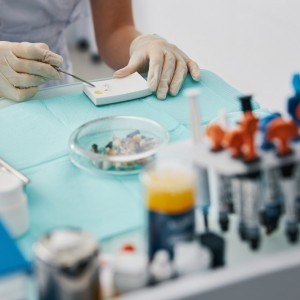
The purpose of the study was to obtain insight into current trends in restorative dentistry in the UK by means of a Delphi technique.
Read more
Products 21 September 2026
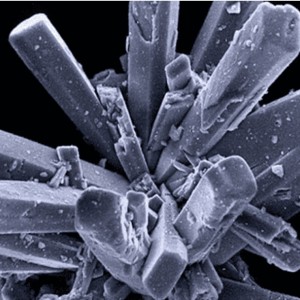
The OsteoGen™ Composite graft line uses the same biomimetic, bioactive crystal technology to harness the body’s ability to heal itself.
News 21 September 2026

The Aspen Group (TAG), a leading healthcare support organization headquartered in Chicago’s West Loop, today announced two key additions to its marketing leadership team: David Chr
News 21 September 2026

BlancOne® Click+ introduces a simple 10-minute professional teeth-whitening experience designed to integrate into existing hygiene appointments, helping dental practices create new
Editorials 21 September 2026
The new school year is in full swing at Texas A&M College of Dentistry, and that includes a host of faculty promotions and new hires and important happenings.
Endodontics 21 September 2026
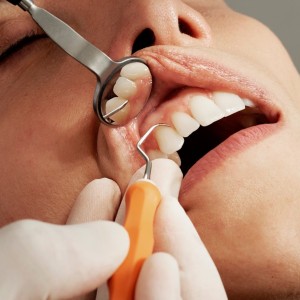
This peer-reviewed endodontics article summarizes clinical evidence from Journal of dentistry (2026). It focuses on findings that may help dental professionals evaluate treatment decisions, patient...



Copyright © 2026 - All Rights Reserved
ISSN 2767-1178