


Activated irrigation systems and postoperative pain after single-visit root canal treatment: A network meta-analysis.
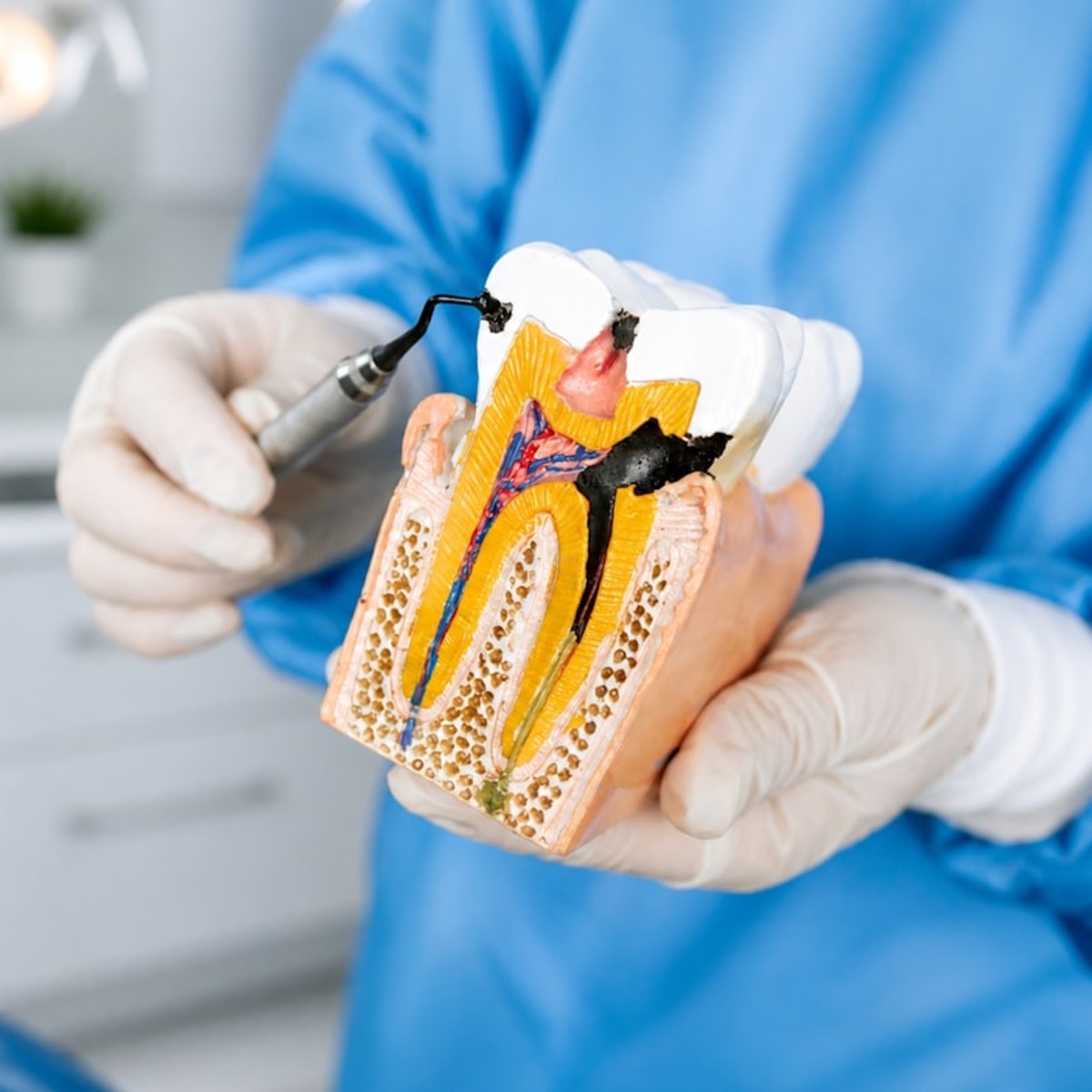
This peer-reviewed endodontics article summarizes clinical evidence from Journal of dentistry (2026). It focuses on findings that may help dental professionals evaluate treatment decisions, patient outcomes, or clinical protocols.
Abstract
OBJECTIVE: To evaluate the comparative effect of irrigation activation systems on postoperative pain after single-visit nonsurgical root canal treatment using a systematic review and network meta-analysis.
METHODS: A systematic search of PubMed/MEDLINE, Embase, Cochrane CENTRAL, and clinical trial registries was conducted in accordance with PRISMA-NMA recommendations. Randomized and quasi-randomized clinical trials evaluating postoperative pain after single-visit root canal treatment with different irrigation activation protocols were considered eligible. The primary outcome was 24-h postoperative pain intensity. Secondary outcomes included pain at other postoperative time points, analgesic intake, flare-up incidence, and categorical pain severity. Risk of bias was assessed using RoB 2 and ROBINS-I, and certainty of evidence was assessed using the GRADE framework. A frequentist random-effects network meta-analysis was performed using standardized mean differences.
RESULTS: Seven studies with extractable continuous 24-h postoperative pain data contributed to the primary network meta-analysis. Compared with conventional irrigation, laser-activated irrigation showed the largest reduction in 24-h postoperative pain (SMD = -1.21; 95% CI: -1.86 to -0.55; P-score = 0.993), followed by passive ultrasonic irrigation (SMD = -0.39; 95% CI: -0.86 to 0.08; P-score = 0.520) and sonic activation (SMD = -0.32; 95% CI: -0.85 to 0.22; P-score = 0.429). Conventional irrigation had the lowest P-score (0.058). The certainty of evidence ranged from low to moderate, with downgrading mainly due to imprecision, clinical heterogeneity, and limited direct evidence for some comparisons. Risk-of-bias assessment identified predominantly low-risk randomized trials, although some studies raised concerns related to deviations from intended interventions, incomplete blinding, or incomplete outcome reporting.
CONCLUSIONS: Laser-activated irrigation may reduce 24-h postoperative pain compared with conventional irrigation after single-visit root canal treatment. The effects of passive ultrasonic irrigation and sonic activation were less certain. Treatment rankings should be interpreted alongside effect estimates, confidence intervals, risk of bias, clinical heterogeneity, and certainty of evidence rather than as independent evidence of clinical superiority.
CLINICAL SIGNIFICANCE: Irrigation activation may influence early postoperative pain after single-visit root canal treatment. Current evidence suggests a potential short-term pain-reduction benefit with laser-activated irrigation, but the certainty of evidence remains limited. Clinicians should interpret treatment hierarchy cautiously and consider feasibility, cost, case complexity, and patient-related factors when selecting irrigation activation protocols.
Key takeaway
Key takeaway: This review-level evidence helps clinicians interpret the consistency and strength of available clinical findings in this topic area.
Peer-reviewed source
Monal Ajay Kohok, Ajinkya M Pawar, Ashish Mandwe, Kulvinder Singh Banga, Mohmed Isaqali Karobari
Journal of dentistry. 2026
DOI: 10.1016/j.jdent.2026.106800
PMID: 42214656
PubMed: https://pubmed.ncbi.nlm.nih.gov/42214656/
Image: Harold Hisona (Unsplash)
 Related articles
Endodontics 21 September 2026
This peer-reviewed endodontics article summarizes clinical evidence from Journal of dentistry (2026). It focuses on findings that may help dental professionals evaluate treatment decisions, patient...
Endodontics 16 September 2026
This peer-reviewed endodontics article summarizes clinical evidence from International endodontic journal (2026). It focuses on findings that may help dental professionals evaluate treatment...
Endodontics 14 September 2026
This peer-reviewed endodontics article summarizes clinical evidence from Journal of dentistry (2026). It focuses on findings that may help dental professionals evaluate treatment decisions, patient...
Endodontics 07 September 2026
This peer-reviewed endodontics article summarizes clinical evidence from Journal of dentistry (2026). It focuses on findings that may help dental professionals evaluate treatment decisions, patient...
Endodontics 31 August 2026
This peer-reviewed endodontics article summarizes clinical evidence from Journal of dentistry (2026). It focuses on findings that may help dental professionals evaluate treatment decisions, patient...
Read more
Products 23 September 2026
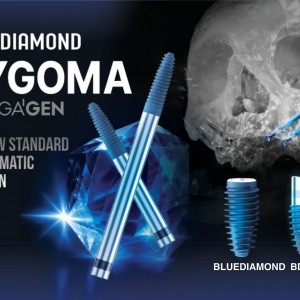
New zygomatic implant system brings MegaGen’s BLUEDIAMOND engineering, XPEED® surface technology, and flexible prosthetic solutions to complex full-arch rehabilitation.
News 23 September 2026

Inaugural GPO Partners include Unified Smiles, the Dentist Entrepreneur Organization (DEO), and Dental Purchasing Partners (DPP)
News 23 September 2026

Growing national network helps patients find local dentists trained to provide oral appliance therapy for obstructive sleep apnea.
Editorials 23 September 2026
Students recently headed back to class for the current academic year, but Texas A&M College of Dentistry is looking ahead as deadlines approach for the dental Class of 2031 and the
Oral Hygiene & Prevention 23 September 2026
Propolis-containing formulations in caries prevention - a systematic review and meta-analysis.

This peer-reviewed oral hygiene & prevention article summarizes clinical evidence from Clinical oral investigations (2026). It focuses on findings that may help dental professionals evaluate...



Copyright © 2026 - All Rights Reserved
ISSN 2767-1178