


The significance of occlusion in restorative dentistry
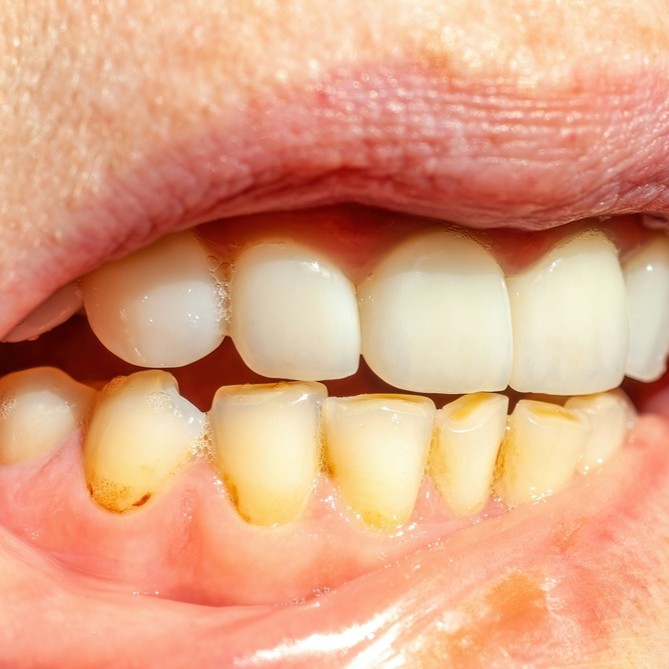
All occlusal therapy relates ultimately to the hinge position of the mandible. By consensus, the optimum hinge position is centric relation, the most anterosu-perior position of the condyles in the glenoid fossae, articulating against the eminences, with the disks properly interposed. Also by consensus, the optimum occlusal scheme is mutual protection, in which the posterior teeth contact simultaneously and equally in centric occlusion, the canines disclude the posterior teeth in lateral excursions, and the anterior teeth disclude the posterior teeth in protrusion.
Whenever CR cannot be used as the starting point of occlusal treatment, or when sufficient canine support is lacking, the clinician may have to prescribe a treatment condylar position other than CR or modify the occlusal scheme. Mutual protection occlusion is the simplest to develop and CR is the simplest starting point. Departures from these ideals create added complexities for the dentist. The greater the number of excursive contacts in the occlusal scheme’, the more involved the equilibration of those contacts. A treatment condylar position other than CR may not be repeatable when needed, and two studies suggest that it may change over time. Without a stable, repeatable foundation supporting it, the occlusion may be in jeopardy.
The removal of occlusal interferences, although not warranted as a routine prophylactic measure, is indicated under certain conditions. When beginning a significant amount of occlusal treatment, the clinicians may remove closing interference to achieve CR at the desired vertical dimension. They may remove excursive interferences that they do not want to perpetuate in the new scheme. Selective removal may alleviate the signs of trauma from occlusion. There may be periodontal justification for axializing and equilibrating occlusal forces. Nonaxial forces on teeth with cervical erosion should be reduced as a means of limiting further erosion and protecting cervical restorations. When occlusal disharmony has been shown to reactivate a TMD, an equilibration or a more extensive rehabilitation may be necessary in the second phase of TMD treatment. In the symptomatic phase of a TMD, however, only reversible measures are appropriate.
In this time of fast-moving change in restorative techniques and products, all operative dentists should raise their consciousness of occlusal principles. Occlusal forces set limits on the selection of materials and often prescribe the design features needed for a successful outcome. With structurally or periodontally compromised teeth, the occlusal planning to minimize nonaxial forces lies at the heart of the restoration. Virtually all restorative dentistry is affected by the occlusal forces of the teeth in function. Clinicians who ignore them place their restorations in jeopardy and their peace of mind at risk.
Author: Michael W. Parker
Source: https://www.sciencedirect.com/
 Related articles
The concept of the minimal important difference (MID) of an oral health-related quality of life (OHRQoL) questionnaire has been proposed to refer to the smallest OHRQoL score difference considered to...
Pediatric dentistry 17 December 2025
Expert consensus on pediatric orthodontic therapies of malocclusions in children

Malocclusion, identified by the World Health Organization (WHO) as one of three major oral diseases, profoundly impacts the dental-maxillofacial functions, facial esthetics, and long-term development...
New scanner features ultra-light design, faster workflows, AI-powered occlusal accuracy, and a new Intelligent Plaque Management Suite for next-generation digital dental care.
Orthodontics 25 June 2025
Clinical application of magnets in orthodontics and biological implications: a review
Over the last decade magnets have been used in orthodontic and dentofacial orthopaedics and attempts have been made to evaluate the biological implications of magnets and magnetic fields during...
Orthodontics 04 February 2025
The Impact of Malocclusion/Orthodontic Treatment Need on the Quality of Life: A Systematic Review
To assess the current evidence of the relationship between malocclusion/orthodontic treatment need and quality of life (QoL).
Read more
Products 13 October 2026


New Resources Help Dental Exhibitors Evaluate Their Investment and Explore the Personify ShowFlow™ Trade Show Success System
News 13 October 2026

New patient apps extend The Aspen Group’s mission to remove barriers to care, giving patients greater visibility, convenience, and control from booking through treatment
Editorials 13 October 2026

The forerunner of what’s now Texas A&M College of Dentistry opened 120 years ago in Dallas with the mission of educating dentists to provide quality care to patients in North Texas
Oral pathology 13 October 2026
This peer-reviewed oral pathology article summarizes clinical evidence from Oral oncology (2026). It focuses on findings that may help dental professionals evaluate treatment decisions, patient...



Copyright © 2026 - All Rights Reserved
ISSN 2767-1178