


Arresting root caries with nonrestorative strategies: A systematic review with network meta-analysis.
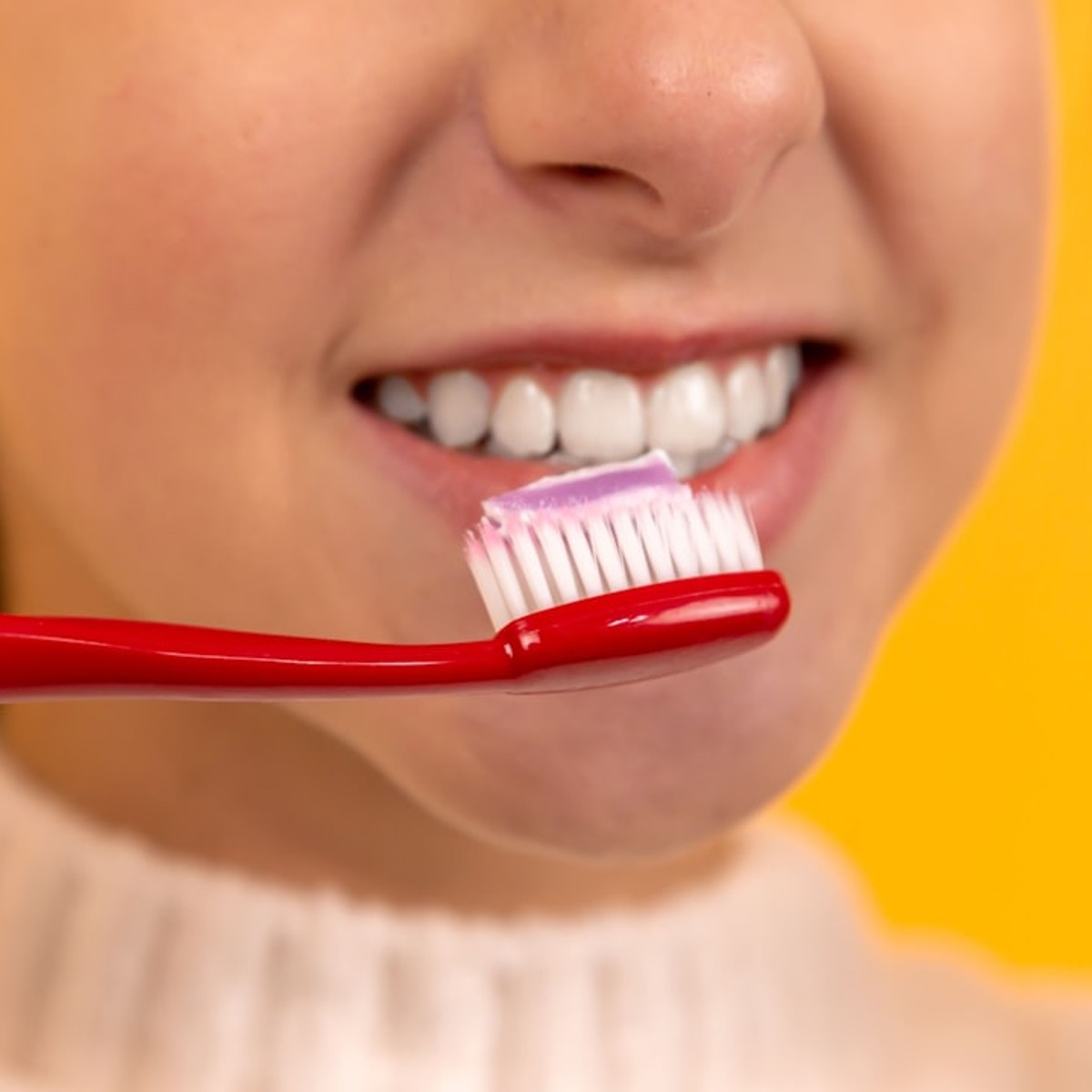
This peer-reviewed oral hygiene & prevention article summarizes clinical evidence from Journal of dentistry (2026). It focuses on findings that may help dental professionals evaluate treatment decisions, patient outcomes, or clinical protocols.
Abstract
OBJECTIVE: To assess the effectiveness of professionally-applied and self-applied nonrestorative strategies for arresting root caries.
DATA AND SOURCES: A systematic search was conducted to include randomized controlled trials evaluating the clinical effectiveness between nonrestorative strategies (professional or self-applied strategies) and controls in arresting root caries. The search was conducted on PubMed, Cochrane Central Register of Controlled Trials, Web of Science, Embase, and Scopus. Gray literature was searched in ClinicalTrials.gov and Google Scholar. Risk of bias (RoB) was assessed via RoB 2.0. Network Meta-analyses (NMAs) for effectiveness assessment, Surface Under the Cumulative Ranking (SUCRA) for treatment effectiveness ranking, and Confidence in Network Meta-Analysis (CINeMA) for the evidence certainty were conducted.
STUDY SELECTION/RESULTS: Seventeen studies reporting root caries arrest rates of nonrestorative strategies were included. Fifteen of them were eligible for NMA, with two at low risk of bias and thirteen raised some concerns. The total number of participants and active root caries lesions at baseline that were used for quantitative analysis were 2869 and 5233, respectively. Professionally-applied strategies that were superior to positive control included quarterly 5% sodium fluoride (NaF) varnish, 5% NaF varnish with casein phosphopeptide-amorphous calcium phosphate (CPP‑ACP), 40% chlorhexidine (CHX) varnish, and annual applications of 38% silver diamine fluoride (SDF) with or without potassium iodide (KI). Among self‑applied strategies, daily use of 5000 ppm fluoride dentifrice, 1450 ppm fluoride dentifrice containing 1.5% arginine, and 1400 ppm fluoride dentifrice combined with a 250 ppm amine fluoride and potassium fluoride (AmF/KF) mouthrinse were more effective than negative control. By SUCRA rankings, the annual 38% SDF plus KI was the most effective professionally applied strategy, while the daily 1400 ppm dentifrice plus a 250 ppm fluoride (AmF/KF) mouthrinse ranked highest among self‑applied strategies. The certainty of evidence ranged from low to moderate.
CONCLUSION: Annual professional application of 38% SDF with or without KI, quarterly applications 5% NaF with or without CPP-ACP, or 40% CHX can arrest root caries with statistically better outcomes compared with positive controls. Daily self-application of 5000 ppm fluoride dentifrice, 1450 ppm fluoride dentifrice containing 1.5% arginine, or 1400 ppm fluoride dentifrice with 250 ppm fluoride mouthrinse can arrest root caries, with statistically better outcomes compared with negative controls. However, given the low to very low certainty of the evidence, these findings should be interpreted with caution.
CLINICAL SIGNIFICANCE: This review provides evidence to inform the selection of optimal treatments and oral hygiene measures for patients with root caries.
Key takeaway
Key takeaway: This review-level evidence helps clinicians interpret the consistency and strength of available clinical findings in this topic area.
Peer-reviewed source
Ronnie Ruonan Zhang, Josie Shizhen Zhang, Samantha Karyan Li, Walter Yu-Hang Lam, Chun-Hung Chu, Ollie Yiru Yu
Journal of dentistry. 2026
DOI: 10.1016/j.jdent.2026.106836
PMID: 42309377
PubMed: https://pubmed.ncbi.nlm.nih.gov/42309377/
Image: Diana Polekhina (Unsplash)
 Related articles
Oral Hygiene & Prevention 14 October 2026
Propolis-containing formulations in caries prevention - a systematic review and meta-analysis.
This peer-reviewed oral hygiene & prevention article summarizes clinical evidence from Clinical oral investigations (2026). It focuses on findings that may help dental professionals evaluate...
Oral Hygiene & Prevention 30 September 2026
Propolis-containing formulations in caries prevention - a systematic review and meta-analysis.
This peer-reviewed oral hygiene & prevention article summarizes clinical evidence from Clinical oral investigations (2026). It focuses on findings that may help dental professionals evaluate...
Oral Hygiene & Prevention 23 September 2026
Propolis-containing formulations in caries prevention - a systematic review and meta-analysis.
This peer-reviewed oral hygiene & prevention article summarizes clinical evidence from Clinical oral investigations (2026). It focuses on findings that may help dental professionals evaluate...
Oral Hygiene & Prevention 09 September 2026
Propolis-containing formulations in caries prevention - a systematic review and meta-analysis.
This peer-reviewed oral hygiene & prevention article summarizes clinical evidence from Clinical oral investigations (2026). It focuses on findings that may help dental professionals evaluate...
Oral Hygiene & Prevention 26 August 2026
Propolis-containing formulations in caries prevention - a systematic review and meta-analysis.
This peer-reviewed oral hygiene & prevention article summarizes clinical evidence from Clinical oral investigations (2026). It focuses on findings that may help dental professionals evaluate...
Read more
Products 21 October 2026

Foundation and ScanOS bring scanning into the SprintRay workflow; Nano Series introduces compact chairside printing, washing, and curing; GC partnership expands validated restorati
News 21 October 2026

(Nasdaq: HSIC) announced today that Emmanuel Caprais, former Senior Vice President and Chief Financial Officer of ITT, Inc.
News 21 October 2026

Editorials 21 October 2026
From California to Canada: CU Anschutz School of Dental Medicine at ADEA, GRC and IADR 2026
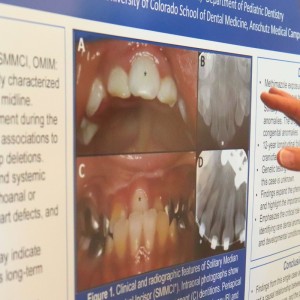
The CU Anschutz School of Dental Medicine will showcase a wide breadth of educational innovation, faculty development, clinical training and research at three major gatherings this
Endodontics 21 October 2026
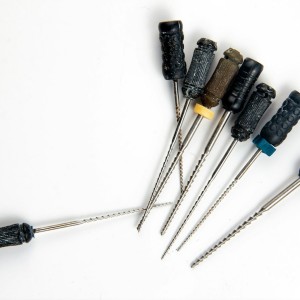
This peer-reviewed endodontics article summarizes clinical evidence from BMC oral health (2026). It focuses on findings that may help dental professionals evaluate treatment decisions, patient...



Copyright © 2026 - All Rights Reserved
ISSN 2767-1178