


Can periodontal probing improve clinical variables in untreated periodontal patients? a case series
Authors: Michele Nieri, Sara Ciancarelli, Umberto Pagliaro, Lorenzo Franchi, Antonella Labriola

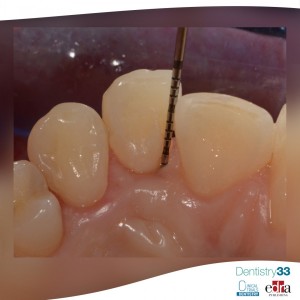
PURPOSE. To evaluate any variations in periodontal indices (dental plaque, bleeding on probing, gingival recession, pocket depths) after periodontal probing in untreated subjects suffering from periodontal disease.
MATERIALS AND METHODS. This is a single centre case series. Fifteen participants in need of periodontal therapy were consecutively recruited. At baseline (T0), patients were assessed on a periodontal chart by an experienced periodontist. The following variables were evaluated: presence of plaque (Pl), pocket depth (PD), bleeding on probing (BoP), and gingival recession depth (Rec). The variables were recorded at both patient and tooth site level. After that, the patients waited for one hour in the waiting room, and then the same variables were recorded again (T1) by the same periodontist. The patients were discharged with no dental care instructions, motivation or therapy. After two weeks, the patients were recalled, and the same variables were recorded again (T2). Multilevel models were applied for inferential analysis at site level.
RESULTS. All 15 patients completed the study. The difference between T0 and T1 was not significant for the variables PD (difference 0.00 mm; 95% CI from -0.02 to 0.02; P = 0.97) or Rec (difference -0.01 mm; 95% CI from -0.02 to 0.08; P = 0.39). However, the number of sites with presence of plaque decreased from T0 to T1 (OR = 0.59; 95% CI from 0.51 to 0.68; P<0.0001), while the number of sites with BoP increased from T0 to T1 (OR = 1.71; 95% CI from 1.45 to 1.96; P<0.0001). The difference in PD between T0 and T2 was significant (difference -0.15 mm; 95% CI from -0.18 to 0.12; P<0.0001), as was the difference in Rec (T0–T2 difference 0.03 mm; 95% CI from 0.01 to 0.05; P = 0.0006). The number of sites with plaque present did not change from T0 to T2 (OR = 1.00; 95% CI from 0.87 to 1.14; P = 0.98), but the number of sites with BoP decreased from T0 to T2 (OR = 0.68; 95% CI from 0.60 to 0.77; P<0.0001).
CONCLUSIONS. Dental plaque, bleeding on probing, pocket depth, and gingival recession can change over time without any therapy. In particular, merely recording these variables (T0) can increase bleeding on probing and reduce plaque after one hour (T1). After two weeks (T2), a decrease in inflammation was noted, characterized by reduced bleeding on probing, a slight decrease in probing depth, and a slight increase in gingival recession.
 Related articles
Endodontics 09 September 2023
Prevalence of and factors associated with vertical root fracture in a Japanese population

Previous studies on the prevalence of vertical root fractures were based on extracted teeth, or teeth referred for apical surgery. This study examined teeth with an isolated periodontal probing depth...
Periodontology 27 April 2022
Inter-examiner concordance in periodontal clinical parameters measurements
Authors: Stefano Corbella, Flavio Grimolizzi, Beatrice Zotti, Alice Alberti, Luca Francetti
The term “periodontal disease” define a group of problems affecting the tissues surrounding the tooth, which induce gingival bleeding and retraction of soft tis- sues and may result in bone loss...

Aggressive periodontitis is a destructive disease characterized by the following: the involvement of multiple teeth with a distinctive pattern of periodontal tissue loss; a high rate of disease...
Periodontology 09 April 2025

Periodontitis is a chronic inflammatory non-communicable disease (NCD) characterised by the destruction of the tooth-supporting apparatus (periodontium), including alveolar bone, the presence of...
Periodontology 21 February 2025

Read more
Products 14 October 2026
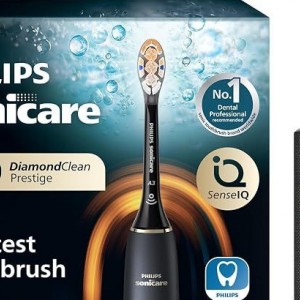
Royal Philips (NYSE: PHG, AEX: PHIA) announced that the Philips Sonicare Next-Generation DiamondClean 9900 Prestige, its most advanced and intelligent toothbrush to date, is now av

Key transaction by Heartland Dental and its supported practices expands opportunities for supported doctors, teams, and practices while strengthening Heartland Dental’s supported f
News 14 October 2026
Henry Schein Cares Celebrates 25 Years of Corporate Citizenship

Henry Schein Cares, Henry Schein, Inc.’s global corporate citizenship program, is celebrating a quarter century of bringing together Team Schein Members, customers, supplier partne
Editorials 14 October 2026
Scholarship at the CU Anschutz School of Dental Medicine reflects the collective contributions of our faculty, staff, residents and students.
Oral Hygiene & Prevention 14 October 2026
Propolis-containing formulations in caries prevention - a systematic review and meta-analysis.
This peer-reviewed oral hygiene & prevention article summarizes clinical evidence from Clinical oral investigations (2026). It focuses on findings that may help dental professionals evaluate...



Copyright © 2026 - All Rights Reserved
ISSN 2767-1178