


Efficacy of subgingival irrigation with chemical agents as adjuvants to non-surgical periodontal therapy: systematic review and meta-analysis.
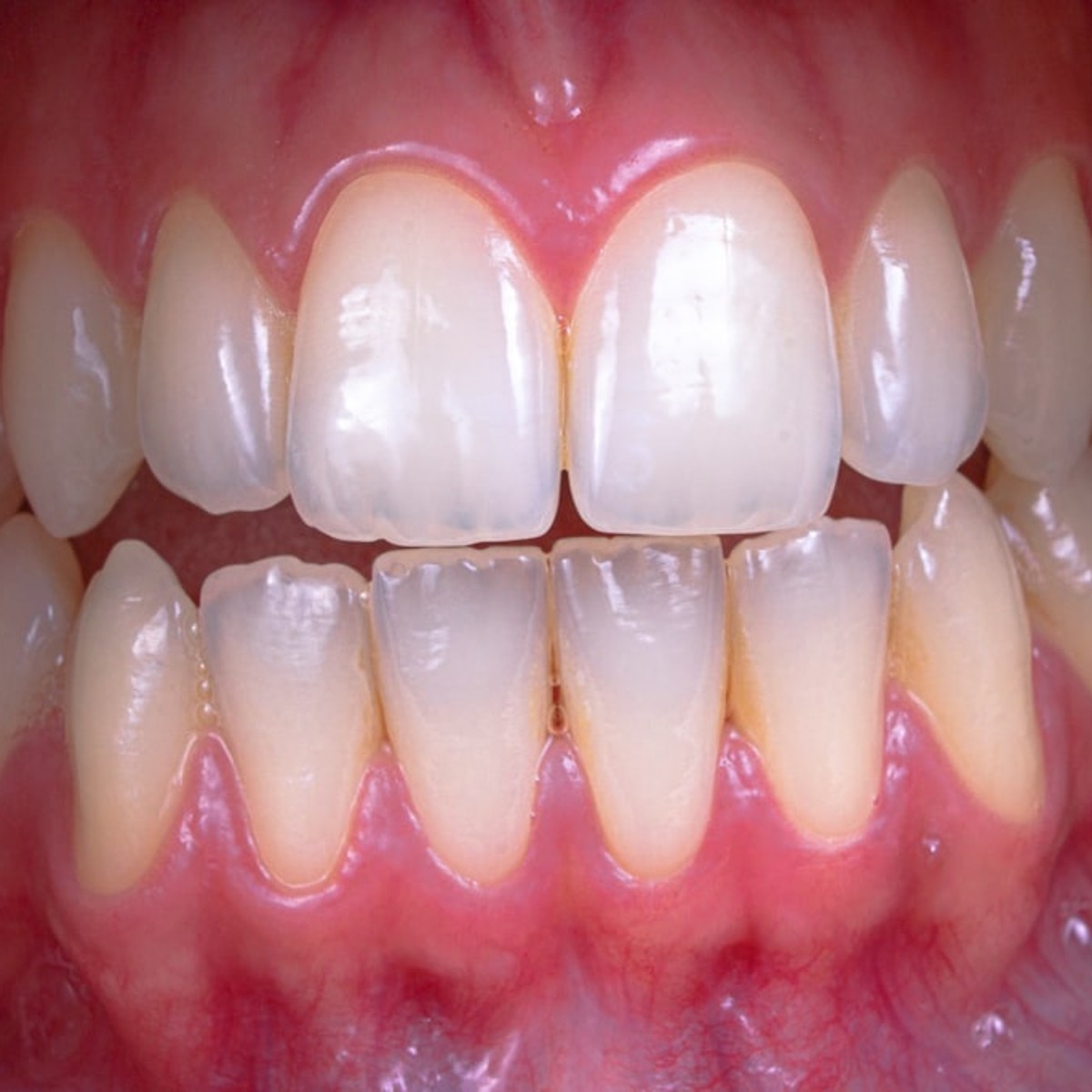
This peer-reviewed periodontology article summarizes clinical evidence from Clinical oral investigations (2026). It focuses on findings that may help dental professionals evaluate treatment decisions, patient outcomes, or clinical protocols.
Abstract
OBJECTIVE: This systematic review aims to assess the efficacy of chemical agents (CA) in subgingival irrigation as an adjunct to non-surgical periodontal treatment (NSPT) in the treatment of periodontitis.
METHODS: Search strategies were developed for MEDLINE via PubMed, Web of Science, and LILACS databases for publications up to March 2025. Risk of bias was assessed according to the RoB 2.0 tool. Random-effects meta-analyses were conducted for clinical attachment level (CAL), probing pocket depth (PPD), and bleeding on probing (BOP).
RESULTS: From 1244 studies initially screened, 16 randomized clinical trials were included for qualitative and quantitative analyses. Studies assessed the effects of the following chemical agents: Povidone-iodine (PVP-I), Essential Oils (EOs); Chlorhexidine (CHX), Ozonated water (OW) and Boric Acid (BA). Overall, the meta-analysis showed that the adjunctive use of CA as subgingival irrigation did not provide additional benefit in PPD reduction, CAL gain, and BOP compared with controls (P > 0.05). Most studies raised some concerns with risk of bias, and 2 showed a high risk of bias.
CONCLUSION: Adjunctive use of chemical agents in subgingival irrigation during NSPT for periodontitis patients does not appear to provide additional benefit over NSPT alone, although evidence levels are low to very low.
CLINICAL RELEVANCE: CA are frequently used as adjuncts to NSPT, despite uncertainty regarding their real clinical contribution. The findings of this study help clinicians make more evidence-based decisions and avoid unnecessary use of adjunctive subgingival irrigation strategies during periodontal treatment.
Key takeaway
Key takeaway: This review-level evidence helps clinicians interpret the consistency and strength of available clinical findings in this topic area.
Introduction from full text
Chlorhexidine (CHX) is a commonly used antiseptic in situations of limited oral hygiene ability such as after periodontal surgery. However, CHX is also considered as a possible factor in the emergence of cross-resistance to antibiotics. The aim of this study was to analyze the changes in the oral microbiota and the prevalence of antimicrobial resistance genes (ARGs) due to CHX treatment.
Peer-reviewed source
Marcela Iunes da Silveira, Clarissa Carvalho Martins Maciel, Melissa M Grant, Iain L C Chapple, Andrea Carvalho De Marco, Emanuel da Silva Rovai
Clinical oral investigations. 2026
DOI: 10.1111/idh.12617
PMID: 42126682
PubMed: https://pubmed.ncbi.nlm.nih.gov/42126682/
Image: Ozkan Guner (Unsplash)
 Related articles
Periodontology 08 October 2026
This peer-reviewed periodontology article summarizes clinical evidence from BMC oral health (2026). It focuses on findings that may help dental professionals evaluate treatment decisions, patient...
Periodontology 24 September 2026
This peer-reviewed periodontology article summarizes clinical evidence from BMC oral health (2026). It focuses on findings that may help dental professionals evaluate treatment decisions, patient...
Periodontology 10 September 2026
This peer-reviewed periodontology article summarizes clinical evidence from BMC oral health (2026). It focuses on findings that may help dental professionals evaluate treatment decisions, patient...
Periodontology 14 July 2026
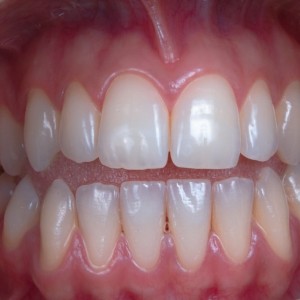
This peer-reviewed periodontology article summarizes clinical evidence from Oral health & preventive dentistry (2026). It focuses on findings that may help dental professionals evaluate treatment...
Periodontology 07 July 2026
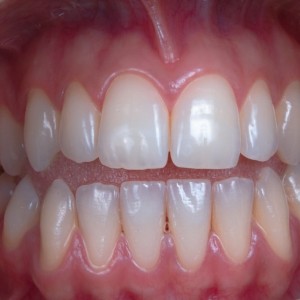
This peer-reviewed periodontology article summarizes clinical evidence from Oral health & preventive dentistry (2026). It focuses on findings that may help dental professionals evaluate treatment...
Read more
Products 14 October 2026
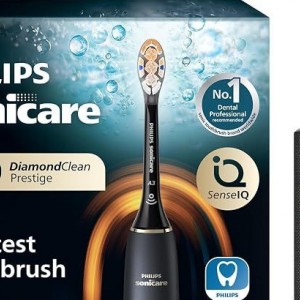
Royal Philips (NYSE: PHG, AEX: PHIA) announced that the Philips Sonicare Next-Generation DiamondClean 9900 Prestige, its most advanced and intelligent toothbrush to date, is now av

Key transaction by Heartland Dental and its supported practices expands opportunities for supported doctors, teams, and practices while strengthening Heartland Dental’s supported f
News 14 October 2026
Henry Schein Cares Celebrates 25 Years of Corporate Citizenship

Henry Schein Cares, Henry Schein, Inc.’s global corporate citizenship program, is celebrating a quarter century of bringing together Team Schein Members, customers, supplier partne
Editorials 14 October 2026
Scholarship at the CU Anschutz School of Dental Medicine reflects the collective contributions of our faculty, staff, residents and students.
Oral Hygiene & Prevention 14 October 2026
Propolis-containing formulations in caries prevention - a systematic review and meta-analysis.
This peer-reviewed oral hygiene & prevention article summarizes clinical evidence from Clinical oral investigations (2026). It focuses on findings that may help dental professionals evaluate...



Copyright © 2026 - All Rights Reserved
ISSN 2767-1178