


The effect of the gingival phenotype on periodontal health
Lara Figini
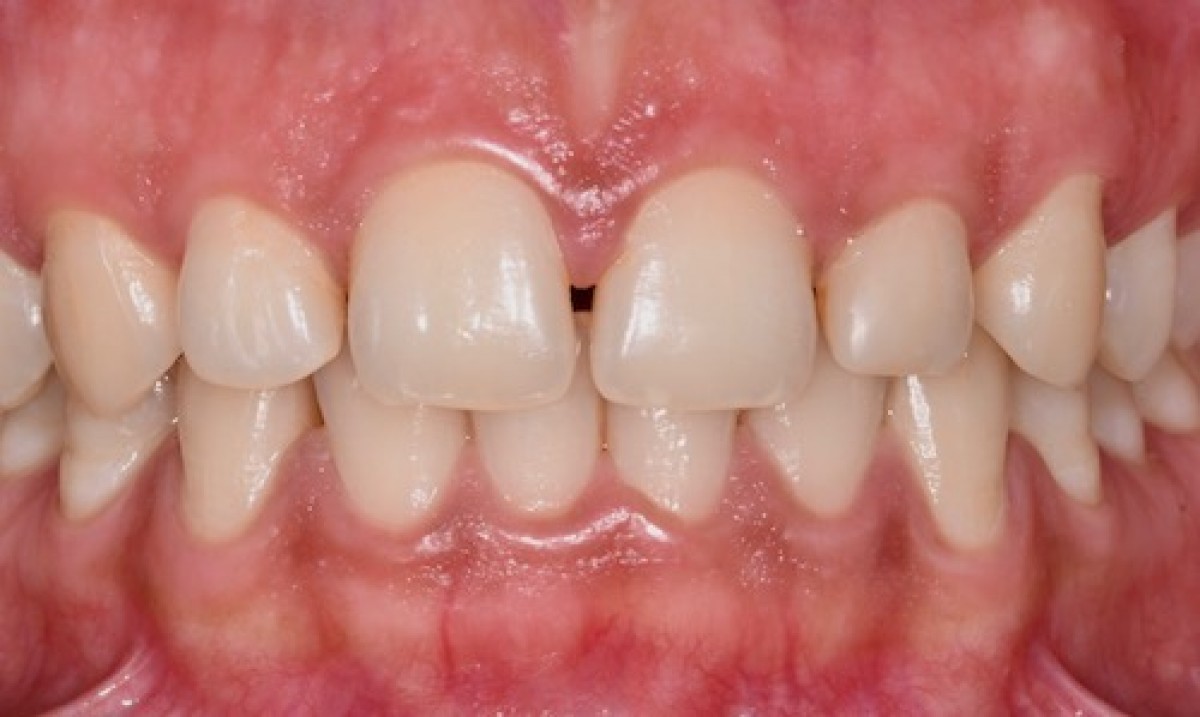
The 2017 world seminar on the classification of periodontal disease and peri-implant conditions recommended the adoption of the term "periodontal phenotype" by the periodontal community. This term includes the gingival phenotype (three-dimensional gingival volume such as gingival thickness GT and width of the keratinized tissue [KTW]) and the thickness of the facial and / or buccal bone plane (bone morphotype). Several factors, such as a thin periodontal phenotype and the lack of gingival attachment AG, can contribute to the onset of gingival recessions.
A systematic review with 2016 meta-analysis revealed long-term results vestibular gingival recessions not treated in thin periodontal phenotypes and reported a high probability of recession progression even in individuals with good oral hygiene.
Materials and methods
In a recent review, published on Journal of Periodontology, March 2020 , the authors investigated the importance of converting the subtle gingival phenotype to a thick phenotype. for maintaining periodontal health.
The authors performed a search of the electronic and manual literature, identifying a total of 1,129 studies, after defining three clinically relevant questions focused on the topic to understand the role of the gingival phenotype.
These are the questions that have been tried to answer:
1) What are the factors that influence the gingival phenotype (e.g. age, sex, dental arch, race, shape of the dental crown, etc.)?
2) Is there a difference between subtle and thick gingival phenotype in terms of gingival health?
3) The conversion of the gums from a thin to thick gingival phenotype into sites without
Does muco-gingival defects help maintain periodontal health?
Results
After the analysis of the titles, abstracts and full-text, 30 articles were included in the final revision. Twenty-five studies met the inclusion criteria and provided data for question 1. The periodontal phenotype was found to vary between different individuals and different areas of the mouth within the same individual. Asian individuals tend to have a more subtle gingival phenotype than white individuals. Eleven studies met the inclusion criteria for question 2. The prevalence and severity of gingival recession was greater in sites with thin gingiva than in sites with thicker gingiva. No study provided data for questionnaire 3.
Conclusions
From the data of this review, which must be confirmed in other similar reviews, it can be concluded that the available evidence indicates that subjects with thin and narrow gums they tend to have a greater predisposition to develop gingival recessions than those with thick and wide gingiva even in good conditions of oral hygiene.
Clinical implications
The dentist must take into account that people with thin and narrow gums tend to develop gingival recessions more frequently, unfortunately, however, scientifically valid studies to support the execution of periodontal treatments that obtain the conversion from subtle to thick gingival phenotype are not currently available in the literature in sites without gingival recession and without muco- gingival defects.
For additional information: Effect of gingival phenotype on the maintenance of periodontal health: An American Academy of Periodontology best evidence review.
 Related articles
Oral Hygiene & Prevention 05 January 2026

To assess effectiveness of an oral health education (OHE) programme on oral hygiene knowledge, practices, plaque control and gingival health of 13- to 15-year-old school children in Bangalore city.
Periodontology 27 August 2025
The purpose of this study was to evaluate the views, knowledge and preferences of a large sample of practising dentists in periodontics, focusing specifically on the treatment of gingival recessions,...
Periodontology 20 November 2024

The objective of this study was to evaluate the clinical effectiveness of platelet-rich f ibrin (PRF) membrane used in combination with a modified coronally advanced f lap (MCAF) and to compare it...
Oral surgery 05 August 2024
Gingival Recession in Primary Maxillary Incisors due to Fingernail Scratching: A Rare Case Report

Self-inflicted gingival injuries typically occur in patients with psychological disorders and rarely in normal individuals
Oral pathology 29 July 2024

Mucogingival surgery is a procedure for the treatment of gingival recession, which is a shift of marginal gingival tissue to the cementoenamel junction (CEJ), exposing the surface of the root teeth
Read more

Continuous innovation across the DEXIS ecosystem helps clinicians work with greater clarity, confidence, and efficiency
News 23 October 2026

CrownPoint Partners announced the successful closing of a $9.2 million, five-property dental sale-leaseback portfolio located throughout Michigan.
News 23 October 2026
Dentsply Sirona, Midwest Dental Expand Technology Relationship

Beginning November 1, Dentsply Sirona will expand its long-standing relationship with Midwest Dental Equipment & Supply beyond consumables to include its complete technology portfo
Editorials 23 October 2026
Honoring Excellence: Graduation Awards for CU Anschutz Dental Students and Faculty

As the University of Colorado Anschutz School of Dental Medicine celebrates the graduating DDS Class of 2025, we are proud to recognize the students and faculty members whose excep
Implantology 23 October 2026
This peer-reviewed implantology article summarizes clinical evidence from Clinical oral implants research (2026). It focuses on findings that may help dental professionals evaluate treatment...



Copyright © 2026 - All Rights Reserved
ISSN 2767-1178