


Interest in periodontology and preferences for treatment of localized gingival recessions: a survey among Swiss dentists
Objectives
The purpose of this study was to evaluate the views, knowledge and preferences of a large sample of practising dentists in periodontics, focusing specifically on the treatment of gingival recessions, and to compare the findings with the current evidence available in the dental literature.
Methods
We conducted a cross-sectional postal survey of 3780 dentists, representing the majority of all dentists working in Switzerland. The questionnaire consisted of 17 questions, most of them giving the possibility of multiple choices of answers. The demographic profile, interests and satisfaction in periodontics were associated with the choice of treatment options offered for the management of six clinical situations.
Results
One thousand two hundred and one dentists sent back the questionnaire within three months and were thus included in the analysis. In general, the interest and the satisfaction in periodontics were moderate to high (6–7 on an analogue scale from 1 to 10). Specialists in periodontics indicated a significantly higher interest and satisfaction in periodontics than the general dentists (p<0.001), and practitioners working in urban areas indicated a slightly higher interest (p=0.027) and satisfaction (0.047) than their colleagues established in a rural setting. The predominant indication of root coverage procedures was aesthetics (90.7%). The region in which dentists worked was the only significant predictor for choosing “no treatment” of buccal recessions: dentists from the German-speaking part were significantly less inclined to surgically treat gingival recessions than their colleagues from the French or Italian part. For those who opted for therapy, a free tissue graft was generally the favourite option, followed by a connective tissue graft and a coronally advanced flap. Throughout, only a small fraction of the dentists considered using a guided tissue regeneration procedure. The relative odds for not extracting teeth with severe periodontal disease were higher if the dentist was a specialist than a generalist. Satisfaction in practicing periodontics also positively strengthened the inclination towards keeping severely compromised teeth.
Conclusions
Aesthetic concerns were the predominant indication for root coverage procedures. Further research should therefore include aesthetic aspects as primary clinical outcome variables. Specific training of dentists and their satisfaction in periodontics influenced treatment decisions. Specialists involved in continuing education should inform practicing dentists more efficiently on the potential and usefulness of periodontal therapy for saving and maintaining periodontally compromised teeth.
Authors: C.-A. Zaher, J. Hachem, M. A. Puhan, A. Mombelli
Source: https://onlinelibrary.wiley.com/
 Related articles
As interest rates shift in our economy, the related factors cause issues with variable products being offered that have a lot to do with interest rates.
Dental practice transaction can come with a variety of obstacles in the most normal of circumstances.
Dental practice transaction can come with a variety of obstacles in the most normal of circumstances.
Editorials 26 August 2022
COVID has had a big effect on our lives in many ways - one of them is financial planning, which is true for most retirees. At the beginning of the pandemic, many monetary institutions introduced...
Market 30 January 2022
Author: Luigi Campopiano
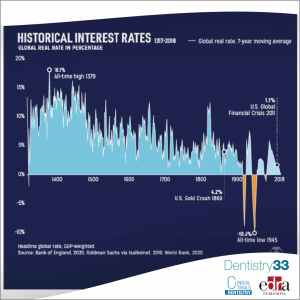
The Bank of England reconstructs global real interest rates (on an annual basis) from the fourteenth to the present and the data shows rates always falling. ...
Read more
Products 14 October 2026
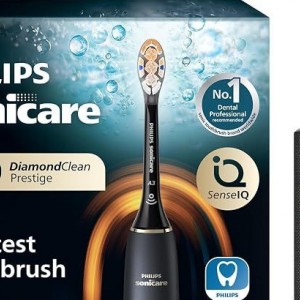
Royal Philips (NYSE: PHG, AEX: PHIA) announced that the Philips Sonicare Next-Generation DiamondClean 9900 Prestige, its most advanced and intelligent toothbrush to date, is now av

Key transaction by Heartland Dental and its supported practices expands opportunities for supported doctors, teams, and practices while strengthening Heartland Dental’s supported f
News 14 October 2026
Henry Schein Cares Celebrates 25 Years of Corporate Citizenship
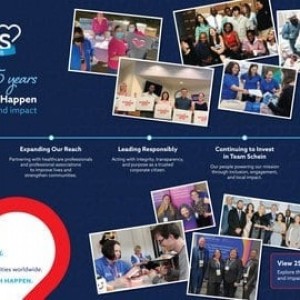
Henry Schein Cares, Henry Schein, Inc.’s global corporate citizenship program, is celebrating a quarter century of bringing together Team Schein Members, customers, supplier partne
Editorials 14 October 2026
Scholarship at the CU Anschutz School of Dental Medicine reflects the collective contributions of our faculty, staff, residents and students.
Oral Hygiene & Prevention 14 October 2026
Propolis-containing formulations in caries prevention - a systematic review and meta-analysis.
This peer-reviewed oral hygiene & prevention article summarizes clinical evidence from Clinical oral investigations (2026). It focuses on findings that may help dental professionals evaluate...



Copyright © 2026 - All Rights Reserved
ISSN 2767-1178