


Is there a correlation between the Mediterranean diet and severe periodontitis?
Lara Figini
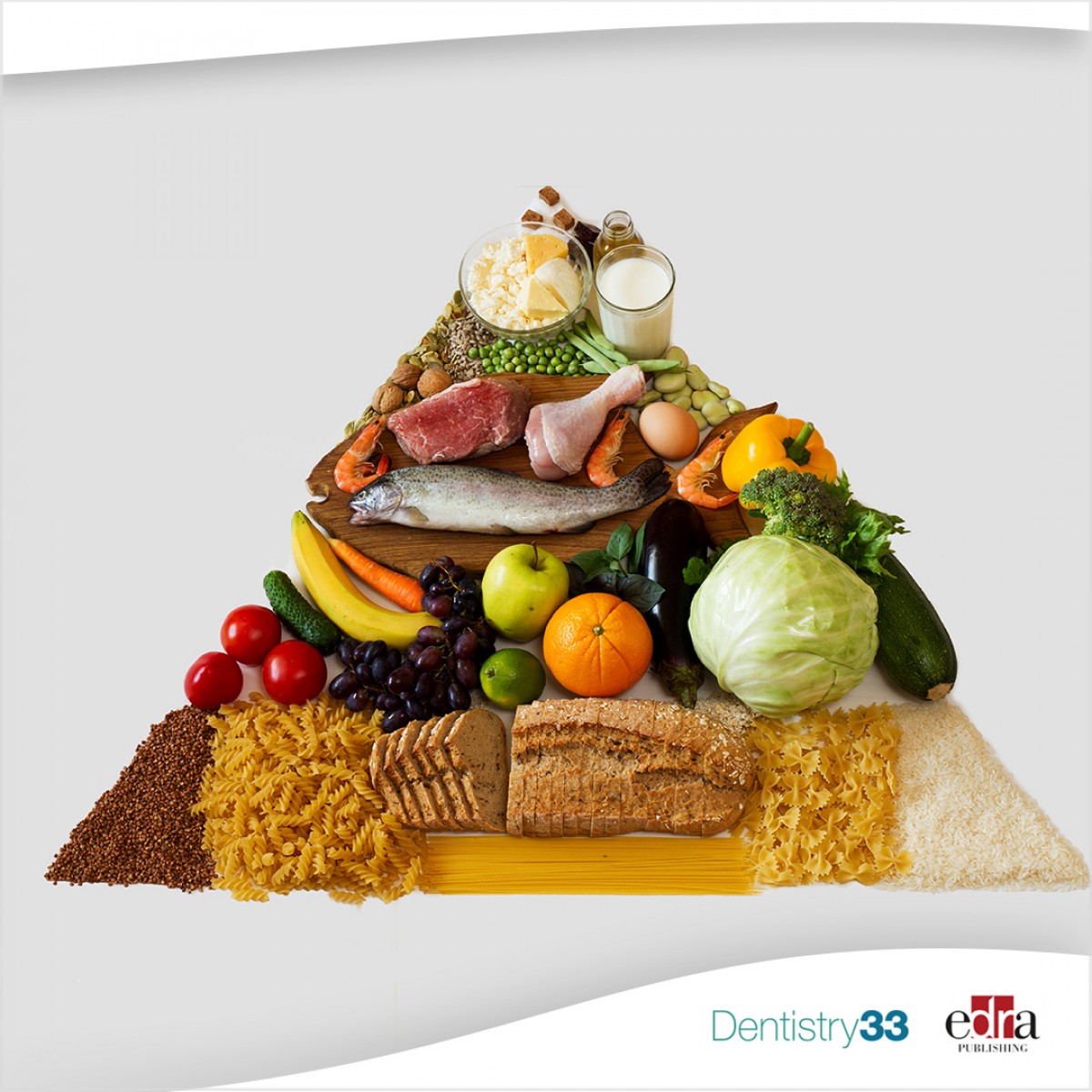
As early as the 1950s, the pioneer Seven Countries started to talk about the beneficial effects of the Mediterranean Diet. Since that time, epidemiological evidence has flourished on the ability of this diet to significantly reduce the risk of developing non-communicable diseases such as metabolic syndrome, type 2 diabetes, cardiovascular disease and cancers.
The latest consensus on the Mediterranean food pyramid included not only the consumption and portions of specific food groups, but also recommendations for regular exercise and adequate rest which, collectively, are framed in the Mediterranean Lifestyle.
While many research studies have focused on the effects of each lifestyle item, including physical activity level and blood pressure, there is no data on the oral health impact of the combination of individual Mediterranean Lifestyle components or the lifestyle as a whole.
In particular, while evidence has accumulated regarding the anti-inflammatory potential of the Mediterranean diet, there is no evidence regarding the synergistic or antagonistic impact of adherence to both the Mediterranean diet and physical activity on periodontal health.
Materials and methods
In an Italian university cohort study, published in the Journal of Periodontology in August 2022, the authors evaluated the association between the intake of a Mediterranean diet and the level of physical activity with the periodontal state. Some 235 individuals were included in the study.
Individuals’ intake of a Mediterranean diet and physical activity level were recorded through a questionnaire consisting of 15 items validated by the Food Frequency Questionnaire. All participants also underwent a complete periodontal clinical examination.
The odds ratio (OR) and adjusted ratio (95% confidence interval) were calculated to evaluate the association between Mediterranean diet intake, blood pressure level and severity of periodontitis.
A multivariate logistic regression model was constructed to evaluate the impact of the combination of low Mediterranean diet intake and low blood pressure on the prevalence of stage III / IV periodontitis.
Results
The adjusted ORs for stage III / IV periodontitis were found to be 1.65 (0.84 to 3.28; P = 0.42) for low BP and 5.63 (3.21 to 9, 84; P = 0.00) due to low intake of the Mediterranean diet.
The final multivariate logistic regression model produced OR = 10.23 (4.01, 26.09; P = 0.00] of stage III / IV periodontitis in subjects with a poor Mediterranean diet and low BP.
Conclusions
From the data of this study, it can be concluded that individuals who lead a lifestyle characterized by the combination of a poor Mediterranean diet and lack of regular exercise are 10 times more likely to develop severe forms of periodontitis.
Background on the Mediterranean Diet
At the base of the pyramid there are vegetables, fruit and cereals — preferably whole grains — that should be consumed daily. Above that base, we find milk and low-fat dairy items, such as yogurt, with a recommendation of two to three servings per day. Extra virgin olive oil may be used without overdoing it — three to four tablespoons a day — and may be combined with garlic, onion, spices and aromatic herbs. These are better options than salt and are the best flavors for Mediterranean-style dishes. Other good fats, in addition to those of oil, are provided by nuts and olives, in one or two daily portions.
Towards the top of the food pyramid there are the foods or proteins that should be consumed weekly. This includes fish and legumes with at least two portions a week each, poultry (two to three portions), eggs (one to four a week) and cheese, no more than a couple of portions.
At the top of the pyramid there are the foods that should be consumed in moderation: two portions or less per week for red meat, while processed meat — including cold cuts and salami — should be consumed even more sparingly (one portion per week. Finally, desserts should be consumed only sparingly.
Learn more about the Seven Countries Study: https://www.sevencountriesstudy.com/
 Related articles
Endodontics 21 October 2026
This peer-reviewed endodontics article summarizes clinical evidence from BMC oral health (2026). It focuses on findings that may help dental professionals evaluate treatment decisions, patient...
Endodontics 19 October 2026

This peer-reviewed endodontics article summarizes clinical evidence from BMC oral health (2026). It focuses on findings that may help dental professionals evaluate treatment decisions, patient...
Pediatric dentistry 09 October 2026
This peer-reviewed pediatric dentistry article summarizes clinical evidence from BMC oral health (2026). It focuses on findings that may help dental professionals evaluate treatment decisions,...
Periodontology 08 October 2026
This peer-reviewed periodontology article summarizes clinical evidence from BMC oral health (2026). It focuses on findings that may help dental professionals evaluate treatment decisions, patient...
Oral pathology 02 October 2026
This peer-reviewed oral pathology article summarizes clinical evidence from BMC oral health (2024). It focuses on findings that may help dental professionals evaluate treatment decisions, patient...
Read more

Continuous innovation across the DEXIS ecosystem helps clinicians work with greater clarity, confidence, and efficiency
News 23 October 2026

CrownPoint Partners announced the successful closing of a $9.2 million, five-property dental sale-leaseback portfolio located throughout Michigan.
News 23 October 2026
Dentsply Sirona, Midwest Dental Expand Technology Relationship

Beginning November 1, Dentsply Sirona will expand its long-standing relationship with Midwest Dental Equipment & Supply beyond consumables to include its complete technology portfo
Editorials 23 October 2026
Honoring Excellence: Graduation Awards for CU Anschutz Dental Students and Faculty

As the University of Colorado Anschutz School of Dental Medicine celebrates the graduating DDS Class of 2025, we are proud to recognize the students and faculty members whose excep
Implantology 23 October 2026

This peer-reviewed implantology article summarizes clinical evidence from Clinical oral implants research (2026). It focuses on findings that may help dental professionals evaluate treatment...



Copyright © 2026 - All Rights Reserved
ISSN 2767-1178