


Smart materials in pediatric dentistry: Revolutionizing care for enhanced outcomes
Introduction and Objectives
In the realm of pediatric dentistry, smart materials are reshaping conventional approaches, introducing a responsive and tailored dimension to treatment. This abstract aims to explore the potential of smart materials in enhancing clinical outcomes for children by emphasizing adaptability and versatility.
Methodology Including Study Design
Conducting a thorough search in PubMed/Medline, Cochrane, and Scopus databases (2001-2023) yielded 50 pertinent articles. Employing a systematic approach, a simple random technique was used to select five key studies. Subsequent to initial screening, removal of duplicates, and application of inclusion/exclusion criteria, a comprehensive compilation of relevant information was achieved.
Results
The synthesis of literature underscores the diverse applications of smart materials in pediatric dentistry. Bioactive restorative materials and interactive orthodontic appliances demonstrate promise in improving treatment efficacy and patient compliance. The dynamic nature of these materials offers a spectrum of opportunities for personalized and efficient treatment modalities.
Conclusion
This abstract highlights the transformative impact of integrating smart materials into pediatric dentistry. From personalized treatments to increased efficiency, these materials present a futuristic perspective, urging practitioners to adopt forward-looking approaches for elevating clinical outcomes in the specialized field of pediatric dentistry. The adaptability and versatility of smart materials contribute to a paradigm shift, offering a glimpse into an innovative era of enhanced care for young dental patients.
Author: Gawand, Rutika
Source: https://openurl.ebsco.com/
 Related articles
Pediatric dentistry 29 April 2026
Exploration and innovative application of digital technology in pediatric dentistry
Pediatric dentistry treats patients aged 0-18 years, encompassing the characteristics of general dentistry.
Pediatric dentistry 14 April 2026
Comparison between dexmedetomidine and esketamine in pediatric dentistry surgery
Dexmedetomidine (D) and esketamine (K) are used for the sedation of pediatric dental surgery. This study was designed to compare the effect of intranasal D and K in producing moderate sedation for...
Existing studies on adverse events (AEs) in pediatric dentistry have been limited in scope.
Products 13 January 2026
Revolutionizing Pediatric Dentistry with Dr. Josh Solomon: SDI Stela & Bioclear Insights

Join pediatric dentist Dr. Josh Solomon as he discusses the cutting-edge SDI Stela self-curing composite system and the Bioclear matrix system, and how these products are transforming Class II...
Read more
Europe 27 September 2026 - 30 November -0001
Digital Dentistry Society Global Congress 2026: Event Preview and Professional Highlights

The Digital Dentistry Society Global Congress 2026 will take place from October 22, 2026 to October 24, 2026 in TBD, Rotating Europe, offering dental professionals a focused environment for...
Editorials 27 September 2026
Dentistry33 survey highlights replacement care, deep caries and evolving restorative workflows
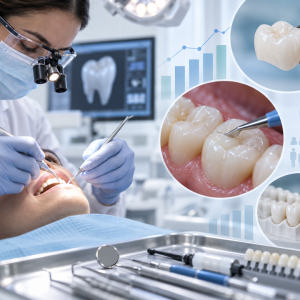
Reader survey finds direct composites remain dominant, secondary caries is the leading reason for restoration replacement, and clinicians want more training in pulp preservation
Reader survey finds direct composites remain dominant, secondary caries is the leading reason for restoration replacement, and clinicians want more training in pulp preservation
Edra Professional Books 26 September 2026
Manual of oral surgery: A Practical Reference for Dental Professionals
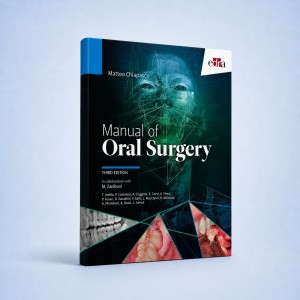
Manual of oral surgery is an Edra professional dentistry reference focused on clinical practice, education and treatment planning.
Products 25 September 2026
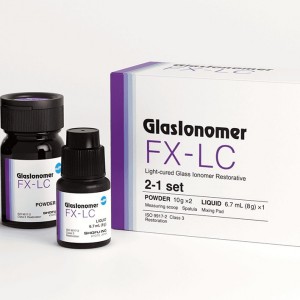
Shofu Dental’s line of dental restorative materials now includes FX-LC, a next-generation, light-cure, resin-reinforced glass ionomer formulated to deliver high strength, efficient 4
News 25 September 2026

The scholarships are part of an ongoing workforce solutions strategy to help address the need for skilled dental hygienists



Copyright © 2026 - All Rights Reserved
ISSN 2767-1178