


Primary Molars Restorations: Flowable Bulk-fill Materials VS Nano Ceramic Composites
Lara Figini
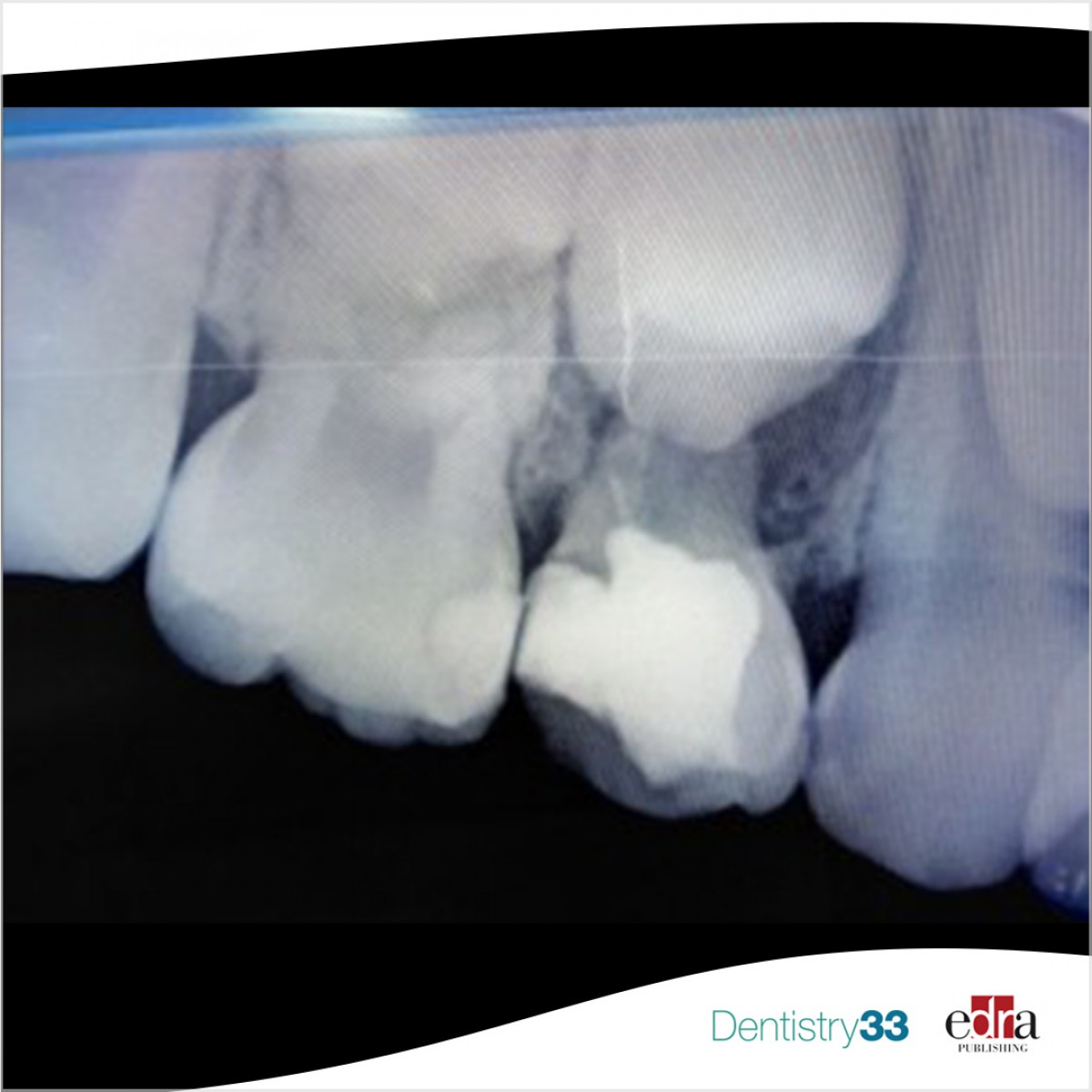
One of the most common materials for the restoration of primary teeth are glass ionomer cements (GIC), because of their time-saving feature. Nonetheless their mechanical properties aren’t good enough to guarantee long-term restorations.
The bulk-fill resin based composite (RBC) seem to be an efficient alternative to the GIC for pediatric dentistry, in particular the flowable one. In fact this material can speed-up the restorative treatment by skipping the time-consuming layering process without adverse effects. The flowable bulk-fill composite can be directly applied after cavity preparation, but according to the manufacturer instructions, it can’t replace any regular nanohybrid and microhybrid RBCs in the occlusal part. In fact elasticity and hardness of bulk-fill RBC materials are significantly inferior. The aim of this split-mouth study, published on Dentistry Journal in 2019 was to compare the performance of primary molar class I cavities restorations with bulk-fill RBC compared with a nanoceramic composite in a period of 24 months.
Matherials&Methods
27 children with at least two class I cavities in primary molars were enrolled for the study. Cavities were prepared with turbine burs; treatment of tooth surface was performed with the selective etching of enamel with 37% phosphoric acid and application of the bonding agent after the disinfection of cavities with 1% chlorhexidine. 54 restorative interventions were carried out- 27 with flowable bulk-fill composite and 27 with nano ceramic composite- and then evaluated three times during the 24-month period (at 6, 18, and 24 months) according to the modified Ryge criteria. The cavosurface marginal discoloration was evaluated visually after air-drying the tooth and after plaque removing.
Results
The evaluation after 24 months registered similar clinical results for all the 54 restorations. Statistical analysis showed not significant differences between the two tehniques. However, two restorations in both groups received Bravo ratings in the cavosurface marginal discoloration scoring.
Conclusions
After 24 months the two matherials showed good and similar clinical performances, however the study had a too small sample to have a strong scientific evidence. As the two technique provides identical results, the easier and faster application technique of bulk-fill material can be very helpful in pediatric dentistry.
For additional informations: Flowable Bulk-Fill Materials Compared to Nano Ceramic Composites for Class I Cavities Restorations in Primary Molars: A Two-Year Prospective Case-Control Study
 Tag
Tag
Related articles
Pediatric dentistry 09 October 2026

This peer-reviewed pediatric dentistry article summarizes clinical evidence from BMC oral health (2026). It focuses on findings that may help dental professionals evaluate treatment decisions,...
Pediatric dentistry 29 April 2026
Exploration and innovative application of digital technology in pediatric dentistry
Pediatric dentistry treats patients aged 0-18 years, encompassing the characteristics of general dentistry.
Pediatric dentistry 14 April 2026
Comparison between dexmedetomidine and esketamine in pediatric dentistry surgery
Dexmedetomidine (D) and esketamine (K) are used for the sedation of pediatric dental surgery. This study was designed to compare the effect of intranasal D and K in producing moderate sedation for...
Existing studies on adverse events (AEs) in pediatric dentistry have been limited in scope.
Read more
Products 20 October 2026

News 20 October 2026

In recognition of National Dental Hygiene Month, Delta Dental highlights key findings from its 2026 State of America’s Oral Health and Wellness Report , a nationwide analysis of co
News 20 October 2026

Abra Health Group has launched The Dental Bank, a new community impact initiative designed to make essential oral health resources more accessible to individuals and families throu
Editorials 20 October 2026
Woman’s skull likely proof of ancient nose amputation, says College of Dentistry professor

Qian Wang, professor in biomedical sciences at Texas A&M College of Dentistry in Dallas, identified what he and other researchers believe is likely one of the first examples of an
Endodontics 20 October 2026
This peer-reviewed endodontics article summarizes clinical evidence from Clinical oral investigations (2026). It focuses on findings that may help dental professionals evaluate treatment decisions,...



Copyright © 2026 - All Rights Reserved
ISSN 2767-1178