


Retrospective Analysis of 736 Implants Inserted Without Antibiotic Therapy

Purpose
The routine use of antibiotics in oral implant treatment seems to be widespread. The principle of antibiotic prophylaxis before oral surgical procedures in patients at risk for endocarditis or in those who are severely immunocompromised is well established. Antibiotic therapy in conjunction with implant surgery in fit patients and its correlation with failure and success rates remains poorly documented, however. The debate regarding overprescription of antibiotics raises the need for a critical evaluation of proper antibiotic coverage in association with implant treatment. The purpose of this study was to retrospectively show and value the outcomes of dental implant treatment without antibiotic prophylaxis.
Materials and Methods
The study included 437 consecutively treated patients, in whom a total of 736 implants were placed. The population received no prophylactic antibiotics, but received anti-inflammatory therapy (nimesulide 100 mg twice daily or Arnica montana 5C 3 times a day) for 3 days postoperatively. Healing was evaluated at second-stage surgery (4 to 6 months postoperatively). Failure was defined as removal of the implant due to either signs of infection or nonosseointegration of the implant, according to the criteria for success described by Albrektsson and Coll in 1988.
Results
The implant survival rate in the sample (96.2%) was no lower than the high success rates published in the literature using various antibiotic regimens.
Conclusions
Our findings support the results of several recent reviews of minor use of antibiotics in oral surgery. These findings suggest that the use of antibiotics for routine oral implants may not be as beneficial as once believed and that clinicians should look forward to the reduction of their unnecessary use. The use of antibiotic prophylaxis before oral surgical procedures remains a controversial issue, poorly documented in the literature.
Authors: Alberto Mazzocchi, Luca Passi, Roberto Moretti
Source: https://www.sciencedirect.com/
 Related articles
Oral pathology 17 February 2025
A retrospective analysis of oral and maxillofacial pathology in an Australian adult population

The prevalence of oral and maxillofacial pathology has not previously been reported in the Australian adult population.
Implantology 25 June 2021
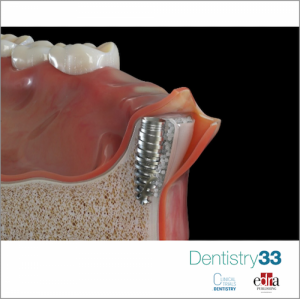
Authors: Dainius Razukevicius, Tamir Shalev, Alon H. Shalev, Katalin Nagy, Maayan Shacham, Eitan Mijiritsky
Purpose To evaluate the outcome of horizontal bone augmentation using a periosteal pocket flap after implant placement but no membrane. Materials and methods. This retrospective case series...
Editorials 30 March 2026
Research shows that the timing of antibiotics matters when treating gum disease
A first-of-its-kind clinical trial shows that administering antibiotics before periodontal treatment may better stabilize beneficial bacteria and support long-term oral health
Endodontics 04 March 2026

Regenerative endodontic procedure (REP) has been proposed as a new approach to treat immature permanent teeth.
Editorials 11 February 2026

The University of Pittsburgh has received a grant from the Richard King Mellon Foundation to support the project “Dental Antibiotic Stewardship: Doctors' Needs,” led by Deborah Polk, AB, PhD,...
Read more
Products 25 September 2026
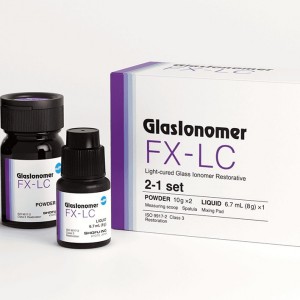
Shofu Dental’s line of dental restorative materials now includes FX-LC, a next-generation, light-cure, resin-reinforced glass ionomer formulated to deliver high strength, efficient 4
News 25 September 2026

The scholarships are part of an ongoing workforce solutions strategy to help address the need for skilled dental hygienists
News 25 September 2026

Michael Riccobene celebrates teamwork, community and more than 25 years of growth as one of sports’ most iconic trophies makes a special stop in Garner.
Editorials 25 September 2026

Oral surgery 25 September 2026
This peer-reviewed oral surgery article summarizes clinical evidence from International journal of oral and maxillofacial surgery (2026). It focuses on findings that may help dental professionals...



Copyright © 2026 - All Rights Reserved
ISSN 2767-1178