


Opinions and attitudes of the UK's GDPs and specialists in oral surgery, oral medicine and surgical dentistry on oral cancer screening
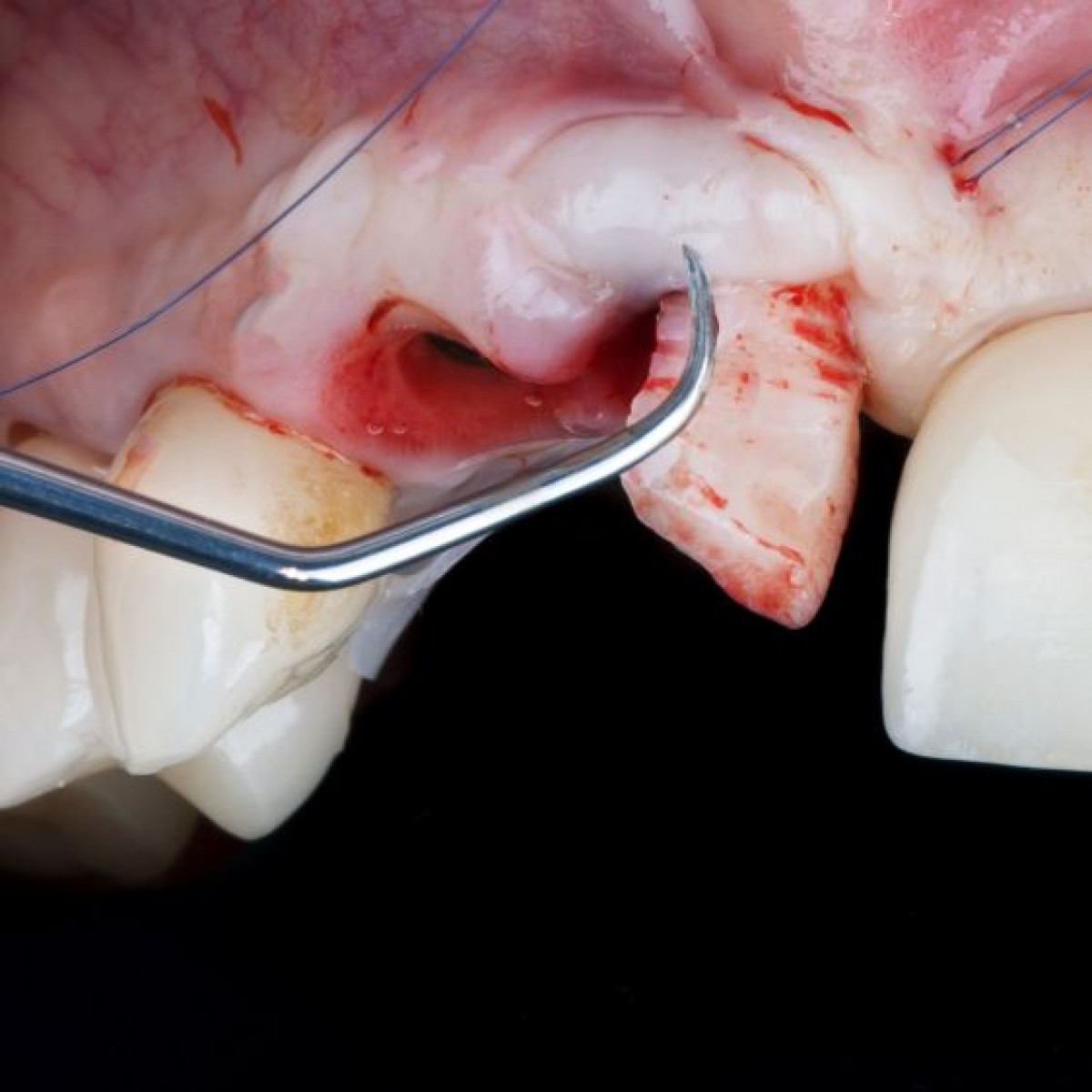
Objective: To survey two broad areas of oral cancer awareness and management of patients at risk of oral cancer by specialists in oral surgery, oral medicine, surgical dentistry and general dental practitioners (GDPs) in the UK. The first of these included knowledge and awareness of aetiological factors, changing patterns of disease, and screening/detection programmes including their effectiveness. The second included oral cancer detection methods, advice on avoidance of high-risk activity and self-examination, and referral pattern of GDPs.
Design and method: A pretested, 44-item questionnaire, a covering letter, a brief outline of the research protocol and return, stamped envelope were mailed in March 2003. A sample of 200 GDPs whose names were obtained from the General Dental Council's main list and 305 dental specialist names obtained from specialist's list in surgical dentistry, oral medicine and oral surgery were selected randomly. Information on oral cancer awareness and practice, screening practice and education was obtained.
Results: The response rate was 66.9%. The knowledge of the dental specialists was consistent with that in reports of current aetiological studies on oral cancer. However there were gaps in the GDP's knowledge and ascertainment of oral cancer risk factors. Over 70% of the dental specialists provided counselling advice on the risks of tobacco and alcohol habits compared with 41.2% of GDPs. More GDPs (52.4%) than specialists (35.4%) believed that oral cancer screening on a national basis would be effective in decreasing the mortality of oral cancer. Over 95% of all respondents used a visual examination for oral cancer screening and 89.9% of all respondents strongly believed that visual screening is effective in the early detection of oral cancer.
Conclusion: The results showed that GDPs had knowledge gaps in their awareness of oral cancer risk factors and the application of preventive measures. Most dental health providers in the UK perform visual screening of the oral mucosa for their patients. Opinion was equivocal as to whether a nationally based screening programme similar to cervical cancer would be effective in improving the mortality and morbidity of oral cancer.
Authors: O Kujan, AJ Duxbury, AM Glenny, NS Thakker, P Sloan
Source: https://onlinelibrary.wiley.com/
 Tag
Related articles
Oral Hygiene & Prevention 07 July 2025

The aim was to analyze oral health-related perceptions, attitudes, and behavior in relation to oral hygiene conditions among 19-yr-old Swedish subjects.
Pediatric dentistry 11 June 2025

The aim of the present study was to assess the knowledge and practice of, and attitudes toward, pulp therapy in deciduous dentition among pediatric dentists.
News 17 September 2026

Appointment reinforces Curve’s $200 million R&D commitment as the company approaches $100 million in annual recurring revenue and accelerates the cloud platform dental practices wo
News 31 August 2026

Appointment reinforces Curve’s $200 million R&D commitment as the company approaches $100 million in annual recurring revenue and accelerates the cloud platform dental practices wo
Restorative dentistry 29 January 2026
Current trends in restorative dentistry in the UK: a Delphi approach
The purpose of the study was to obtain insight into current trends in restorative dentistry in the UK by means of a Delphi technique.
Read more
Products 26 November 2026
Kairos Health Helps Dental Practices Turn Patient Follow-Ups Into Scheduled Appointments

Kairos Health, a Y Combinator-backed company, offers AI voice agents that help dental practices follow up with patients, manage incoming calls, and fill their schedules.
News 26 November 2026
News 26 November 2026

More than 6,000 doctors and team members at Aspen Dental-branded practices cared for veterans on Nov.
Editorials 26 November 2026
Learning Through Service: The Impact of UCSF Dentistry's Community Externships

For more than 20 years, the UCSF School of Dentistry has sent predoctoral students to community clinics across the Bay Area and beyond through its Community-Based Clinical Educatio
Periodontology 26 November 2026
This peer-reviewed periodontology article summarizes clinical evidence from Journal of clinical periodontology (2026). It focuses on findings that may help dental professionals evaluate treatment...



Copyright © 2026 - All Rights Reserved
ISSN 2767-1178