


The Causal Effect of Supra- and Sub-Gingival Instrumentation on the Oral Microbiome of Elderly Periodontitis Patients Treated in Nursing Homes: Secondary Analysis of a Randomised Controlled Trial.
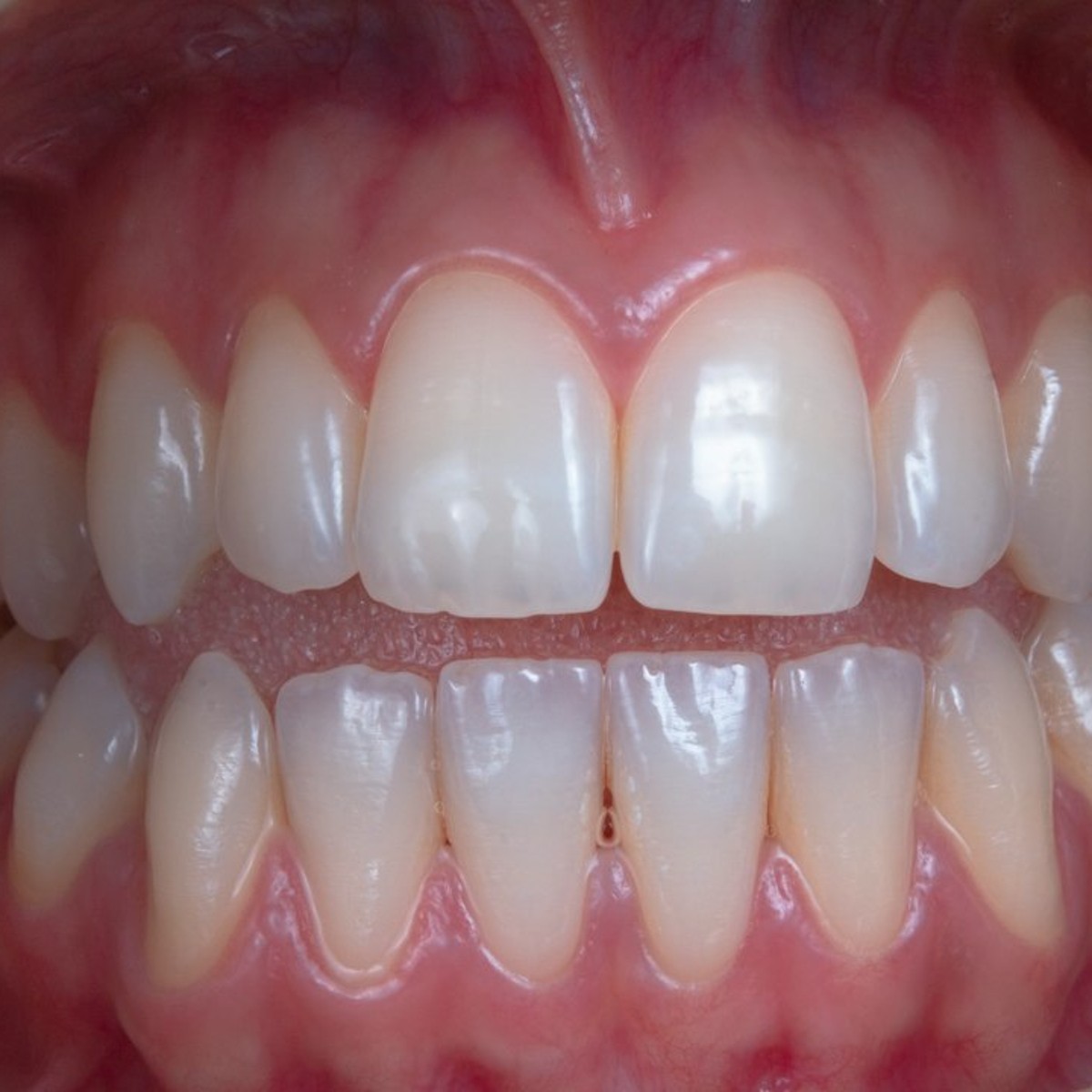
This peer-reviewed periodontology article summarizes clinical evidence from Journal of clinical periodontology (2026). It focuses on findings that may help dental professionals evaluate treatment decisions, patient outcomes, or clinical protocols.
Abstract
AIMS: Periodontitis among nursing home residents is increasing as more older adults retain their dentition. Evidence on the impact of periodontal therapy on their oral microbiota is limited. We aimed to assess the effect of outreach-based supra- and sub-gingival instrumentation on the periodontal microbiome.
MATERIALS AND METHODS: In this secondary analysis of an RCT, 36 residents (mean age 85 ± 6 years) with periodontitis had been randomised to supra- and sub-gingival instrumentation (mean duration 14.3 ± 5.2 min) or a 3-month control. Supragingival and subgingival plaque samples were collected at baseline and 3 months. Bacterial 16S rRNA sequencing and mixed-effects modelling were used to assess alpha/beta diversity, dysbiosis index and differential abundance between groups over time.
RESULTS: The intervention group showed clinical improvements, with bleeding on probing decreasing from 45% ± 20% to 35% ± 16% and probing pocket depth decreasing from 4.5 ± 0.5 to 4.0 ± 0.5 mm. Dysbiosis was reduced compared with controls (β = -1.97, p = 0.0008). Beta-diversity confirmed microbial shifts (R 2 = 0.0075, p = 0.025), characterised by decreases in differential abundance of Treponema and Fretibacterium and increases in Lactobacillus and Actinomyces.
CONCLUSIONS: A pragmatic outreach-based supra- and sub-gingival instrumentation reduced microbial dysbiosis and improved periodontal parameters in institutionalised older adults, supporting its effectiveness in nursing home care.
TRIAL REGISTRATION: German Clinical Trials Register (DRKS) registration number: DRKS00029392.
Key takeaway
Key takeaway: Because the evidence comes from a clinical trial design, the findings may be especially useful when comparing treatment approaches in daily practice.
Introduction from full text
The human mouth is a natural laboratory for microbial ecology. The mouth presents a range of substrates—such as teeth, tongue, cheeks, and gums—whose differing chemistry, topography, and stability provide differing habitats for microbial communities. Each habitat within the mouth supports a complex, distinctive community, and this distinctiveness presents an opportunity to use the oral microbiome to develop an understanding of fundamental principles of microbial community ecology. Oral microbiome communities are also of immediate practical importance, because they influence health and disease not only in the mouth but also throughout the body, and they play under-appreciated roles in systemic human physiology.
A major goal of microbiome research, from a clinical perspective, is to be able to modulate the microbiome to improve health and treat disease. Microbes colonizing the mouth create spatially organized biofilms ( Kolenbrander et al., 2006 ; Zijnge et al., 2010 ; Mark Welch et al., 2016 ; Wilbert et al., 2020 ; Kim et al., 2020 ). Understanding the forces governing this spatial organization will be key to success in modulating the microbiome. The concept that spatial order is important in microbial ecosystems is not new; it was introduced implicitly by Winogradsky, the founder of microbial ecology, almost 100 years ago and was explicitly addressed 40 years ago by Wimpenny (1981) . Wimpenny discussed the concepts of habitat and niche as they apply to microorganisms. Habitat refers to externalities—the physical space and chemical environment that allow an organism to exist, including contributions from other members of the microbial community. Niche refers to the activity of an organism and the functional role that each member plays in the community. Interactions of the members both with one another and with the habitat drive the emergent organization of the community as a whole.
Recent reviews have highlighted the importance of spatial organization in various aspects of human microbial ecology including extracellular matrix and polymicrobial infections ( Stacy et al., 2016 ; Bowen et al., 2018 ), the gut microbiome ( Tropini et al., 2017 ), landscape ecology of the upper respiratory tract and mouth ( Proctor and Relman, 2017 ), and implications for caries and periodontal disease ( Valm, 2019 ; Diaz and Valm, 2020 ; Proctor et al., 2020 ). In this Minireview, we will focus on how oral microbes are specialized for individual habitats within the mouth and how microbial habitats and niches are defined by micron-scale gradients in combination with short- and long-range interactions. We will discuss how micron-scale structure illuminates the roles of individual taxa and provides insight into their community ecology and potential pathogenicity.
Peer-reviewed source
Anna Greta Barbe, Daniel Hagenfeld, Carolin Walther, Dalia Beck, Fedja Farowski, Maria J G T Vehreschild, Sonja H M Derman, Sven Kleine Bardenhorst et al.
Journal of clinical periodontology. 2026
DOI: 10.2307/1218190
PMID: 42615762
PubMed: https://pubmed.ncbi.nlm.nih.gov/42615762/
Image: Ozkan Guner (Unsplash)
 Related articles
Periodontology 25 November 2026
This peer-reviewed periodontology article summarizes clinical evidence from BMC oral health (2026). It focuses on findings that may help dental professionals evaluate treatment decisions, patient...
Periodontology 24 November 2026
This peer-reviewed periodontology article summarizes clinical evidence from BMC oral health (2026). It focuses on findings that may help dental professionals evaluate treatment decisions, patient...
Periodontology 19 November 2026
This peer-reviewed periodontology article summarizes clinical evidence from Journal of periodontology (2026). It focuses on findings that may help dental professionals evaluate treatment decisions,...
Periodontology 04 November 2026
This peer-reviewed periodontology article summarizes clinical evidence from Journal of periodontology (2026). It focuses on findings that may help dental professionals evaluate treatment decisions,...
Periodontology 08 October 2026
This peer-reviewed periodontology article summarizes clinical evidence from BMC oral health (2026). It focuses on findings that may help dental professionals evaluate treatment decisions, patient...
Read more
Products 26 November 2026
Kairos Health Helps Dental Practices Turn Patient Follow-Ups Into Scheduled Appointments

Kairos Health, a Y Combinator-backed company, offers AI voice agents that help dental practices follow up with patients, manage incoming calls, and fill their schedules.
News 26 November 2026
News 26 November 2026

More than 6,000 doctors and team members at Aspen Dental-branded practices cared for veterans on Nov.
Editorials 26 November 2026
Learning Through Service: The Impact of UCSF Dentistry's Community Externships
For more than 20 years, the UCSF School of Dentistry has sent predoctoral students to community clinics across the Bay Area and beyond through its Community-Based Clinical Educatio

Five TeraHarz materials pass final review under the EU’s strengthened Medical Device Regulation.


Copyright © 2026 - All Rights Reserved
ISSN 2767-1178