


Effects of sodium hypochlorite concentrations and irrigant activation on postoperative pain after single-visit root canal treatment in asymptomatic molars with chronic apical periodontitis: a randomized clinical trial.
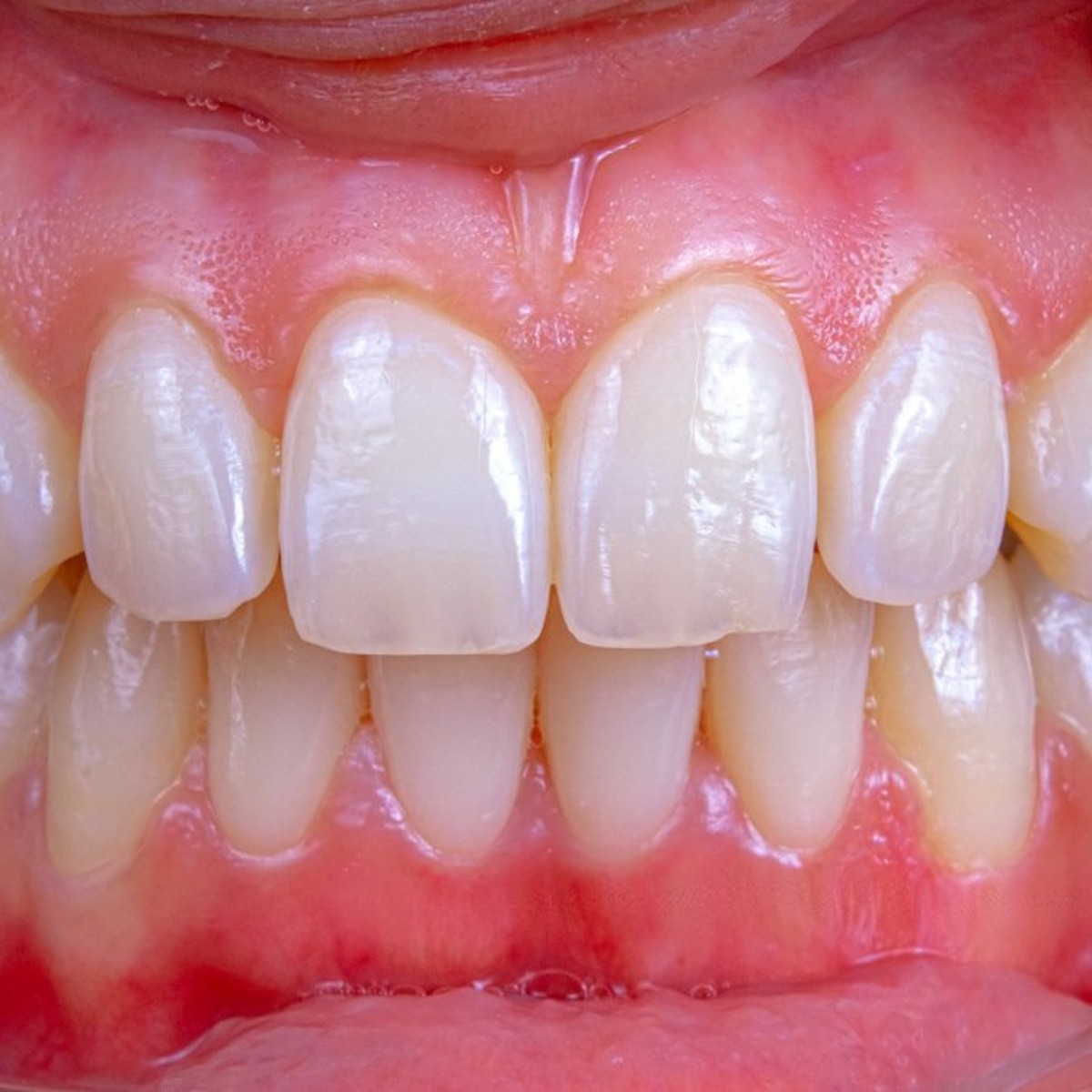
This peer-reviewed periodontology article summarizes clinical evidence from BMC oral health (2026). It focuses on findings that may help dental professionals evaluate treatment decisions, patient outcomes, or clinical protocols.
Abstract
BACKGROUND: This randomized, single-blind clinical trial evaluated whether sodium hypochlorite (NaOCl) concentration and irrigant activation influence postoperative pain after single-visit root canal treatment in molars with chronic apical periodontitis.
METHODS: One hundred twenty asymptomatic patients were randomly allocated to six groups (n = 20) in a 2 × 3 factorial design (NaOCl concentration: 2.5% vs. 5.25% and nonactivation [NA], EDDY [VDW; Munich, Germany], or passive ultrasonic irrigation [PUI]). Postoperative pain was recorded using a 10-cm visual analog scale (VAS) at 6, 12, 24, 48, and 72 h. Repeated VAS measurements were analyzed using a linear mixed-effects model with an autoregressive AR (1) covariance structure, including fixed effects for concentration, activation, time, prespecified interactions, and age as covariates; prespecified simple effects at 6 h were examined with Bonferroni adjustment.
RESULTS: VAS scores decreased significantly over the course of postoperative assessments in all groups (time effect, P < .001). In the overall model, the activation technique had a significant effect on postoperative pain (P = .011), whereas the NaOCl concentration did not (P = .529). Significant concentration × activation (P = .037) and activation × time (P < .001) interactions were also observed. At 6 h, the only pairwise difference that remained significant after Bonferroni adjustment was between NA and PUI (mean difference 1.546; P < .001), whereas the comparisons between NA and EDDY and between EDDY and PUI were not statistically significant. Analgesic intake (18.3%) was analyzed as a secondary outcome using patient-level logistic regression. The NaOCl concentration was not associated with analgesic intake (P = .972). In contrast, compared with those in the PUI group, participants in the EDDY group had significantly greater odds of analgesic intake than those in the PUI group (OR = 4.022; P = .036).
CONCLUSIONS: Overall, under this clinical protocol, the activation modality appeared to have a greater influence on early postoperative pain than the NaOCl concentration alone did. However, postoperative pain scores remained generally low across all groups, suggesting that the clinical significance of these differences should be interpreted with caution.
TRIAL REGISTRATION: Current controlled trials NCT07033247 registered on 13 June 2025. Retrospectively registered.
Key takeaway
Key takeaway: Because the evidence comes from a clinical trial design, the findings may be especially useful when comparing treatment approaches in daily practice.
Introduction from full text
Bacteria play a key role in the development of pulpal and periapical disease (Chávez de Paz, 2007 ; Kakehashi et al., 1965 ; Möller et al., 1981 ), so infection control is an essential goal of root canal treatment in order to prevent or cure apical periodontitis (Ørstavik, 2019 ). For a long time, the debridement and disinfection of the root canal system had been considered primarily a function of the instruments whilst less attention was given to irrigants (Schilder, 1974 ). However, accumulated evidence gradually revealed that instruments are unable to reach a large portion of the root canal system (Peters, 2004 ). As a result, the perceived importance of irrigation grew considerably over the past decades and this eventually led to a paradigm shift. Nowadays, instrumentation is largely considered a means of providing access to the apical anatomy for the irrigants, which are then expected to accomplish most of the cleaning and disinfection (Gulabivala et al., 2005 ).
The change of paradigm motivated a renewed interest in root canal irrigation, which is manifested by the large number of studies that have been published within the last 20 years and the upward trend (Figure 1 ). Irrigation appears to be one of the hot topics in Endodontology (Kolahi et al., 2020 ) with hundreds of new studies being published every year. However, conflicting findings are often reported and the resultant information overload may confuse clinicians, researchers and decision makers. Therefore, the purpose of this review was to set the framework for the challenges that need to be tackled, to critically appraise the most widely used irrigants and irrigation methods, to highlight knowledge gaps and methodological limitations in the available studies and to provide directions for future developments.
Peer-reviewed source
Ecem Karakoyunlu, Kübra Gürler, Koray Yilmaz
BMC oral health. 2026
DOI: 10.1111/iej.13739
PMID: 43009916
PubMed: https://pubmed.ncbi.nlm.nih.gov/43009916/
Image: Ozkan Guner (Unsplash)
 Related articles
Periodontology 24 November 2026
This peer-reviewed periodontology article summarizes clinical evidence from BMC oral health (2026). It focuses on findings that may help dental professionals evaluate treatment decisions, patient...
Periodontology 19 November 2026
This peer-reviewed periodontology article summarizes clinical evidence from Journal of periodontology (2026). It focuses on findings that may help dental professionals evaluate treatment decisions,...
Periodontology 04 November 2026
This peer-reviewed periodontology article summarizes clinical evidence from Journal of periodontology (2026). It focuses on findings that may help dental professionals evaluate treatment decisions,...
Periodontology 08 October 2026
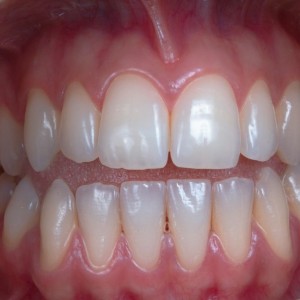
This peer-reviewed periodontology article summarizes clinical evidence from BMC oral health (2026). It focuses on findings that may help dental professionals evaluate treatment decisions, patient...
Periodontology 24 September 2026
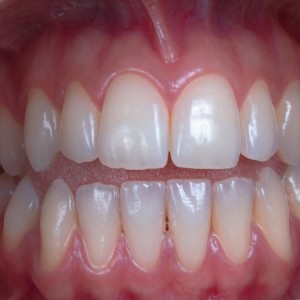
This peer-reviewed periodontology article summarizes clinical evidence from BMC oral health (2026). It focuses on findings that may help dental professionals evaluate treatment decisions, patient...
Read more
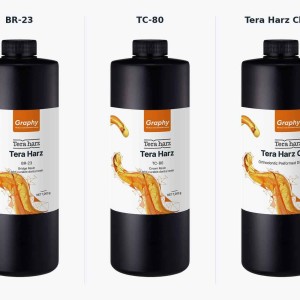
Five TeraHarz materials pass final review under the EU’s strengthened Medical Device Regulation.
News 25 November 2026
Align Technology to Present at Jefferies Healthcare Conference
(“Align”) (Nasdaq: ALGN), a leading global medical device company that designs, manufactures, and sells the Invisalign® System of clear aligners, iTero™ intraoral scanners, and exo

VerifySync review controls and connection alerts help Open Dental teams prepare for January insurance benefit resets.
Editorials 25 November 2026

From Sacramento to San Francisco, the UCSF School of Dentistry’s Doctor of Dental Surgery Advocacy, Science, Public Interest, and Research (DDS-ASPIRE) program has begun its inaugu
Products 24 November 2026
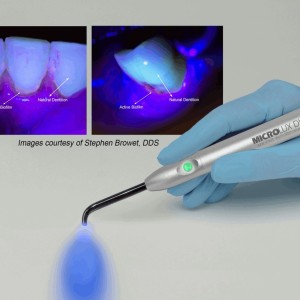
Microlux DW Illuminator Helps Detect Caries, Cracks, and Biofilm


Copyright © 2026 - All Rights Reserved
ISSN 2767-1178