


Effect of air-polishing devices on the gingiva: histologic study in the Canine

Objectives
The aim of this study was to evaluate histologically the immediate effect of two types of air-polishing devices (APDs) on the gingiva.
Material and Methods
The buccal gingiva in four mongrel dogs was exposed to 5, 10 and 20 s of instrumentation, applying a hand-piece type of APD (HP-APD) PROPHYflex® and a stand-alone type of APD (SA-APD) Jetpolisher™ in a split-mouth design. Immediately after treatment, the exposed gingiva was excised by sharp dissection and fixed in 10% buffered formalin. For each specimen, 15 sections, 20 μm apart, corresponding to the central part of the treated and control untreated gingiva were cut and stained with haematoxylin and eosin. Stained sections were examined histomorphometrically for keratin width and epithelial cell layer (ECL) (prickle and basal cell layers) width. Extent of erosion was expressed as loss of keratin and ECL compared with control.
Results
Microscopic examination presented changes in keratin and ECL, including keratin detachment and disruption of the normal ECL architecture. The erosive changes in the gingiva caused by both APD, positively correlated with instrumentation time (p<0.001) and type of instrument (p=0.008). Keratin loss was significantly higher for SA APD than for the HP APD in each time interval (p=0.019). Following exposure for 5 s, both APD caused a 25% loss of the ECL. Exposure for 10 and 20 s revealed a significantly greater ECL loss caused by the SA-APD than the HP-APD (p=0.018). Exposure for 20 s was the only time interval that presented the area of total epithelium erosion with SA-APD causing significantly more (p=0.002) areas of total epithelial erosion than the HP-APD.
Conclusion
Gingiva exposure to air-polishing slurry delivered by APD caused localized trauma because of epithelial erosive changes with severity, positively correlated with instrumentation time and design principles of the applied APD. The clinician should be aware of the potential insult of the gingiva when applying the APD and careful precautions should be taken.
Authors: Avital Kozlovsky, Zvi Artzi, Carlos E. Nemcovsky, Abraham Hirshberg
Source: https://onlinelibrary.wiley.com/
 Related articles
Oral Hygiene & Prevention 08 April 2026
Periodontal regeneration of infrabony defects (V). Effect of oral hygiene on long‐term stability
The aim of this investigation was to assess the role of supportive periodontal care in the maintenance of clinical attachment gained, after surgical treatment according to the principles of GTR, in...
Periodontology 11 February 2026
Effect of blue covarine containing whitening toothpaste on the color of resin composites and teeth
Resin composites have become increasingly popular; however, one problem associated with their use is discoloration. Bleaching (whitening by chemical methods) is an accepted way to remove external and...
Oral Hygiene & Prevention 21 January 2026
The effectiveness of mouthwash on orthodontic and prosthetic complications: a systematic review
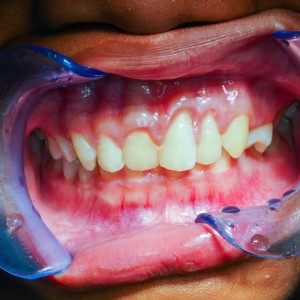
The present study aimed to determine the effectiveness of mouthwashes on the complications of orthodontic treatments and dental prostheses, in addition to filling research gaps, to identify and...
Oral Hygiene & Prevention 10 December 2025
Designing school programmes to be effective vehicles for changing oral hygiene behaviour

Schools are a commonly used setting for dental health education, health promotion and interventions with preventive agents.
Orthodontics 12 November 2025
Effectiveness of dental monitoring system in orthodontics: A systematic review
Dental monitoring (DM) constitutes a recent technological advance for the remote monitoring of patients undergoing an orthodontic therapy.
Read more
Products 20 October 2026
News 20 October 2026

In recognition of National Dental Hygiene Month, Delta Dental highlights key findings from its 2026 State of America’s Oral Health and Wellness Report , a nationwide analysis of co
News 20 October 2026
Abra Health Group has launched The Dental Bank, a new community impact initiative designed to make essential oral health resources more accessible to individuals and families throu
Editorials 20 October 2026
Woman’s skull likely proof of ancient nose amputation, says College of Dentistry professor
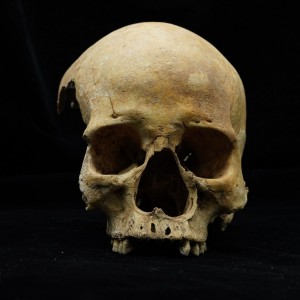
Qian Wang, professor in biomedical sciences at Texas A&M College of Dentistry in Dallas, identified what he and other researchers believe is likely one of the first examples of an
Endodontics 20 October 2026
This peer-reviewed endodontics article summarizes clinical evidence from Clinical oral investigations (2026). It focuses on findings that may help dental professionals evaluate treatment decisions,...


Copyright © 2026 - All Rights Reserved
ISSN 2767-1178