


Antibacterial Effect of Juglans Regia Bark against Oral Pathologic Bacteria

Background
In this study antimicrobial effect of ethanolic and aqueous extracts of Juglans regia bark in Iran was evaluated on four different oral bacteria, Streptococcus mutans, Streptococcus salivarius, Streptococcus sanguis, and Staphylococcus aureus.
Methods
Aqueous and ethanol extracts of Juglans regia bark were prepared by using disk diffusion technique and Minimal Inhibitory Concentration (MIC) methods. Tetracycline 30 μg and Erythromycin 15 μg were used as positive control and water as negative control in disk diffusion and MIC methods. Data were analyzed by ANOVA test.
Results
The results showed that S. sanguis and S. mutans were the most sensitive and the most resistant bacteria against ethanolic and aqueous extracts, respectively. Ethanolic extract had significant antibacterial effect against all tested bacteria. Aqueous extract did not show antibacterial effect on S. mutans, in contrast to ethanolic extract. Aqueous extract had significantly antibacterial effect against Staphylococcus aureus, S. salivarius, and S. sanguis compared to control (P < 0.0001), but it did not show effect on S. mutans when compared with Erythromycin. According to the obtained MIC values, ethanol extract of Juglans regia bark had the lowest rate.
Conclusion
The results may provide the basis for using natural antimicrobial substance for oral hygiene prophylaxis purposes.
Authors: Faramarz Zakavi, Leila Golpasand Hagh, Arash Daraeighadikolaei, Ahmad Farajzadeh Sheikh, Arsham Daraeighadikolaei, Zahra Leilavi Shooshtari
Source: https://onlinelibrary.wiley.com/
 Related articles
Restorative dentistry 28 November 2024

Restorative materials in the new era should be “bio-active” and antibacterial effects are highlighted as one of the important properties.

Despite its reputation as the most widely used restorative dental material currently, resin-based materials have acknowledged shortcomings.

Photodynamic therapy is an adjuvant in the treatment of peri-implantitis and associated with scaling and grafting treatments for the control of peri-implant disease.
Endodontics 10 February 2023
Innovative root canal irrigation strategy in minimally invasive endodontics

Study evaluated antimicrobial efficacy
Current irrigation techniques are based on the use of sodium hypochlorite but do not guarantee success in eliminating microorganisms from the root canal.
Restorative dentistry 01 November 2022
Dental restorative materials with sustained antibacterial action

Dental restorative materials with antibacterial properties can potentially solve secondary caries that occur around restorations.
Read more

Continuous innovation across the DEXIS ecosystem helps clinicians work with greater clarity, confidence, and efficiency
News 23 October 2026
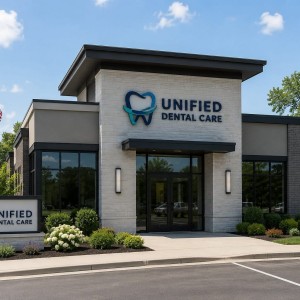
CrownPoint Partners announced the successful closing of a $9.2 million, five-property dental sale-leaseback portfolio located throughout Michigan.
News 23 October 2026
Dentsply Sirona, Midwest Dental Expand Technology Relationship

Beginning November 1, Dentsply Sirona will expand its long-standing relationship with Midwest Dental Equipment & Supply beyond consumables to include its complete technology portfo
Editorials 23 October 2026
Honoring Excellence: Graduation Awards for CU Anschutz Dental Students and Faculty

As the University of Colorado Anschutz School of Dental Medicine celebrates the graduating DDS Class of 2025, we are proud to recognize the students and faculty members whose excep
Implantology 23 October 2026

This peer-reviewed implantology article summarizes clinical evidence from Clinical oral implants research (2026). It focuses on findings that may help dental professionals evaluate treatment...



Copyright © 2026 - All Rights Reserved
ISSN 2767-1178