


Efficacy of music therapy on stress and anxiety prior to dental treatment: a systematic review and meta-analysis of randomized clinical trials

Introduction: Stress and anxiety are emotional states that often accompany patients who have to receive dental treatments, leading them to postpone or avoid treatments with the consequent deterioration of their oral health and, hence, their general condition. Music therapy has been shown to be an alternative to other treatments that are invasive and not without danger, such as anxiolytics or sedation. This systematic review and meta-analysis evaluated the effect of music therapy on anxiety and stress prior to dental treatments.
Methods: Studies published in PubMed (through Medline), Web of Science (WOS), Embase, and Cochrane Library databases were consulted up to October 2023. The inclusion criteria were established for intervention studies (randomized controlled trials, RCTs) according to the PICOS (population, intervention, comparison, outcomes, and study) strategy in subjects with dental stress and anxiety (participants) treated with music therapy (intervention) in comparison with patients without music therapy (control) and evaluating the response to treatment (outcomes).
Results: A total of 154 results were obtained, with 14 studies finally selected. The risk of bias and the methodological quality were assessed using the Cochrane Risk of Bias Tool and the Jadad scale, respectively. A random-effects meta-analysis was used to quantify the results of the pooled studies, while a fixed-effects meta-analysis was used for studies in the pediatric population. The meta-analysis of pooled studies found statistical significance in the subgroups of anxiety and anxiety–stress (p = 0.03 and p = 0.05, respectively), with an overall effect in favor of the intervention group (p = 0.005). Meta-analysis of the studies in the pediatric population showed considerable statistical significance for the experimental group (p < 0.00001).
Conclusion: Music therapy as a treatment for stress and anxiety, prior to dental treatment, proved to be effective in both children and adults although more well-designed randomized clinical studies are needed to validate its efficacy.
Authors: Nansi López-Valverde, Antonio López-Valverde, Bruno Macedo de Sousa, José Antonio Blanco Rueda
Source: https://www.frontiersin.org/
 Tag
Tag
Related articles
Periodontology 12 June 2025

The use of biologics may be indicated for alveolar ridge preservation (ARP) and reconstruction (ARR), and implant site development (ISD).
Oral surgery 09 June 2025

The purpose of this study was to investigate the efficacy of fibrin sealant in patients on oral anticoagulant therapy undergoing oral surgery with varying degrees of surgical trauma and various...
Oral surgery 15 September 2023
Music therapy, virtual reality to manage anxiety and pain in dental surgery

To mitigate the effects of anxiety, alternative techniques have been studied, such as psychological distraction to control anxiety and perioperative pain. These methods do not involve any risk for...
Oral pathology 04 April 2021
Preoperative receptive music therapy in oral oncologic surgery: preliminary study

Authors:Fabio Dell’Olio, Pantaleo Lorusso, Irene Sorrentino, Filippo Giordano, Saverio Capodiferro, Angela Tempesta, Luisa Limongelli, Maria Massaro, Filomena Puntillo, Nicola Brienza, Gianfranco Favia1
The diagnosis of oral cancer causes anxiety and fear to the patient undergoing to the surgery under general anesthesia, and could affect negatively the peri-operative period rising blood pressure and...
News 10 September 2026

Football season may be keeping fans stressed long after the final whistle, according to a new survey commissioned by DenTek.
Read more
Products 20 October 2026

News 20 October 2026

In recognition of National Dental Hygiene Month, Delta Dental highlights key findings from its 2026 State of America’s Oral Health and Wellness Report , a nationwide analysis of co
News 20 October 2026

Abra Health Group has launched The Dental Bank, a new community impact initiative designed to make essential oral health resources more accessible to individuals and families throu
Editorials 20 October 2026
Woman’s skull likely proof of ancient nose amputation, says College of Dentistry professor
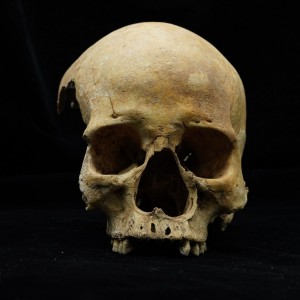
Qian Wang, professor in biomedical sciences at Texas A&M College of Dentistry in Dallas, identified what he and other researchers believe is likely one of the first examples of an
Endodontics 20 October 2026
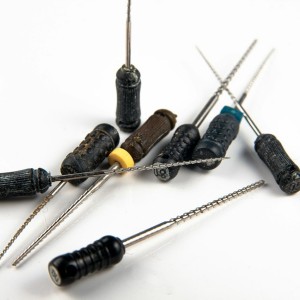
This peer-reviewed endodontics article summarizes clinical evidence from Clinical oral investigations (2026). It focuses on findings that may help dental professionals evaluate treatment decisions,...



Copyright © 2026 - All Rights Reserved
ISSN 2767-1178