


Efficacy of biologics for alveolar ridge preservation/reconstruction and implant site development: An American Academy of Periodontology best evidence systematic review

Background
The use of biologics may be indicated for alveolar ridge preservation (ARP) and reconstruction (ARR), and implant site development (ISD). The present systematic review aimed to analyze the effect of autologous blood-derived products (ABPs), enamel matrix derivative (EMD), recombinant human platelet-derived growth factor-BB (rhPDGF-BB), and recombinant human bone morphogenetic protein-2 (rhBMP-2), on the outcomes of ARP/ARR and ISD therapy (i.e., alveolar ridge augmentation [ARA] and maxillary sinus floor augmentation [MSFA]).
Methods
An electronic search for eligible articles published from January 2000 to October 2021 was conducted. Randomized clinical trials evaluating the efficacy of ABPs, EMD, rhBMP-2, and rhPDGF-BB for ARP/ARR and ISD were included according to pre-established eligibility criteria. Data on linear and volumetric dimensional changes, histomorphometric findings, and a variety of secondary outcomes (i.e., clinical, implant-related, digital imaging, safety, and patient-reported outcome measures [PROMs]) were extracted and critically analyzed. Risk of bias assessment of the selected investigations was also conducted.
Results
A total of 39 articles were included and analyzed qualitatively. Due to the high level of heterogeneity across studies, quantitative analyses were not feasible. Most studies in the topic of ARP/ARR revealed that the use of biologics rendered similar results compared with conventional protocols. However, when juxtaposed to unassisted healing or socket filling using collagen sponges, the application of biologics did contribute to attenuate post-extraction alveolar ridge atrophy in most investigations. Additionally, histomorphometric outcomes were positively influenced by the application of biologics. The use of biologics in ARA interventions did not yield superior clinical or radiographic outcomes compared with control therapies. Nevertheless, ABPs enhanced new bone formation and reduced the likelihood of early wound dehiscence. The use of biologics in MSFA interventions did not translate into superior clinical or radiographic outcomes. It was observed, though, that the use of some biologics may promote bone formation during earlier stages of healing. Only four clinical investigations evaluated PROMs and reported a modest beneficial impact of the use of biologics on pain and swelling. No severe adverse events in association with the use of the biologics evaluated in this systematic review were noted.
Conclusions
Outcomes of therapy after post-extraction ARP/ARR and ARA in edentulous ridges were comparable among different therapeutic modalities evaluated in this systematic review. Nevertheless, the use of biologics (i.e., PRF, EMD, rhPDGF-BB, and rhBMP-2) in combination with a bone graft material generally results into superior histomorphometric outcomes and faster wound healing compared with control groups.
Authors: Fernando Suárez-López del Amo, Alberto Monje
Source: https://aap.onlinelibrary.wiley.com/
 Tag
Tag
Related articles
Oral surgery 09 June 2025

The purpose of this study was to investigate the efficacy of fibrin sealant in patients on oral anticoagulant therapy undergoing oral surgery with varying degrees of surgical trauma and various...
Oral pathology 03 June 2024

Stress and anxiety are emotional states that often accompany patients who have to receive dental treatments, leading them to postpone or avoid treatments with the consequent deterioration of their...
Oral surgery 27 September 2023
Alveolar bone morphologic predictors for guided bone regeneration in anterior maxilla

This study aimed to explore the influence of alveolar bone morphologic variables on the outcome of guided bone regeneration in the anterior maxilla region.
Editorials 27 September 2026
Dentistry33 survey highlights replacement care, deep caries and evolving restorative workflows
Reader survey finds direct composites remain dominant, secondary caries is the leading reason for restoration replacement, and clinicians want more training in pulp preservation
Reader survey finds direct composites remain dominant, secondary caries is the leading reason for restoration replacement, and clinicians want more training in pulp preservation
Products 21 September 2026
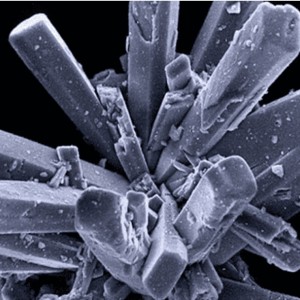
The OsteoGen™ Composite graft line uses the same biomimetic, bioactive crystal technology to harness the body’s ability to heal itself.
Read more
Products 20 October 2026

News 20 October 2026

In recognition of National Dental Hygiene Month, Delta Dental highlights key findings from its 2026 State of America’s Oral Health and Wellness Report , a nationwide analysis of co
News 20 October 2026

Abra Health Group has launched The Dental Bank, a new community impact initiative designed to make essential oral health resources more accessible to individuals and families throu
Editorials 20 October 2026
Woman’s skull likely proof of ancient nose amputation, says College of Dentistry professor

Qian Wang, professor in biomedical sciences at Texas A&M College of Dentistry in Dallas, identified what he and other researchers believe is likely one of the first examples of an
Endodontics 20 October 2026
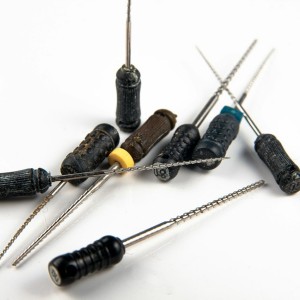
This peer-reviewed endodontics article summarizes clinical evidence from Clinical oral investigations (2026). It focuses on findings that may help dental professionals evaluate treatment decisions,...



Copyright © 2026 - All Rights Reserved
ISSN 2767-1178