


Preoperative receptive music therapy in oral oncologic surgery: preliminary study
Authors:Fabio Dell’Olio, Pantaleo Lorusso, Irene Sorrentino, Filippo Giordano, Saverio Capodiferro, Angela Tempesta, Luisa Limongelli, Maria Massaro, Filomena Puntillo, Nicola Brienza, Gianfranco Favia1

The diagnosis of oral cancer causes anxiety and fear to the patient undergoing to the surgery under general anesthesia, and could affect negatively the peri-operative period rising blood pressure and heart rate. Music therapy (MT) is a therapeutic approach that uses sounds and music’s features to treat sickness and suffering caused by physical and/or psychic diseases. Furthermore, receptive methods of MT are useful in the surgical setting. The aim of this study is to compare the effects of preoperative receptive MT to premedication by midazolam, during oral oncologic surgery procedures in general anesthesia.
MATERIALS AND METHODS: 25 patients, at least 18 years old, affected by stage I or II (both clinically and instrumentally N0) micro-invasive oral cancer, without auditory deficit, negative clinical history for drug abuse, psychiatric disorders or dementia, and American Society of Anesthesiologists (ASA) risk between 1 and 3, were enrolled. Pre-operative assessment was performed through standard blood tests, electrocardiogram, panoramic radiogram, high definition intra-oral ultrasonography (to measure tumor depth in millimeters), magnetic resonance imaging and anesthesiological visit. Before general anesthesia, patients were randomized between two groups: Music Group, which received preoperative receptive MT according to modified guided imagery and music technique, by a qualified music therapist; Control Group, which received premedication by intravenous midazolam 0,2mg/Kg. General anesthesia was associated to local anesthesia by carbocaine, a short onset molecule, and bupivacaine, a long offset molecule, in order to reduce the dose of neuro-depressant drug. Depth of sedation (measured with a scale ranging from 0 to 100 reported by bi-spectral index - BIS monitor), level of satisfaction with surgical experience (patient global impression of satisfaction score), level of anxiety (Anxiety-Visual Analogic Scale, A-VAS score) and vital parameters (heart rate and blood pressure) were compared between groups.
RESULTS: 12 patients had tongue cancer, 11 cheeks cancer and 2 lips carcinoma. Groups did not differ in sex, mean age, ASA risk, duration of surgery, pre-operative A-VAS score, depth of sedation, heart rate and blood pressure (measured both when patient entered in operative room and before inducing general anesthesia), but pre-operative receptive MT provided more satisfaction with surgical experience than premedication by midazolam: 72,27% of Music Group referred the maximum satisfaction, against the 14,28% of Control Group (p=0,015%).
CONCLUSIONS: Receptive MT, provided by a qualified Music Therapist, is a non-invasive method, free from adverse effects, safe in day surgery, which can improve assistance in oncological patient, and it’s desirable that it becomes the gold standard treatment for these patients.
CLINICAL SIGNIFICANCE: MT provides a valid not-pharmacologic tool to reduce anxiety in patients that undergo surgical excision of oral cancer in general anesthesia, in order to cure people and their diseases.
 Read more
Products 14 October 2026
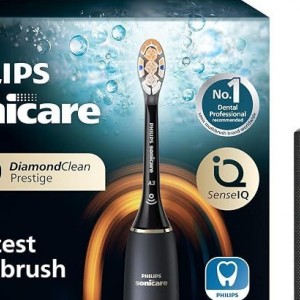
Royal Philips (NYSE: PHG, AEX: PHIA) announced that the Philips Sonicare Next-Generation DiamondClean 9900 Prestige, its most advanced and intelligent toothbrush to date, is now av

Key transaction by Heartland Dental and its supported practices expands opportunities for supported doctors, teams, and practices while strengthening Heartland Dental’s supported f
News 14 October 2026
Henry Schein Cares Celebrates 25 Years of Corporate Citizenship

Henry Schein Cares, Henry Schein, Inc.’s global corporate citizenship program, is celebrating a quarter century of bringing together Team Schein Members, customers, supplier partne
Editorials 14 October 2026
Scholarship at the CU Anschutz School of Dental Medicine reflects the collective contributions of our faculty, staff, residents and students.
Oral Hygiene & Prevention 14 October 2026
Propolis-containing formulations in caries prevention - a systematic review and meta-analysis.
This peer-reviewed oral hygiene & prevention article summarizes clinical evidence from Clinical oral investigations (2026). It focuses on findings that may help dental professionals evaluate...


Copyright © 2026 - All Rights Reserved
ISSN 2767-1178