


Yes or no: antibiotics in the surgical treatment of mandibular osteomyelitis?
Lara Figini
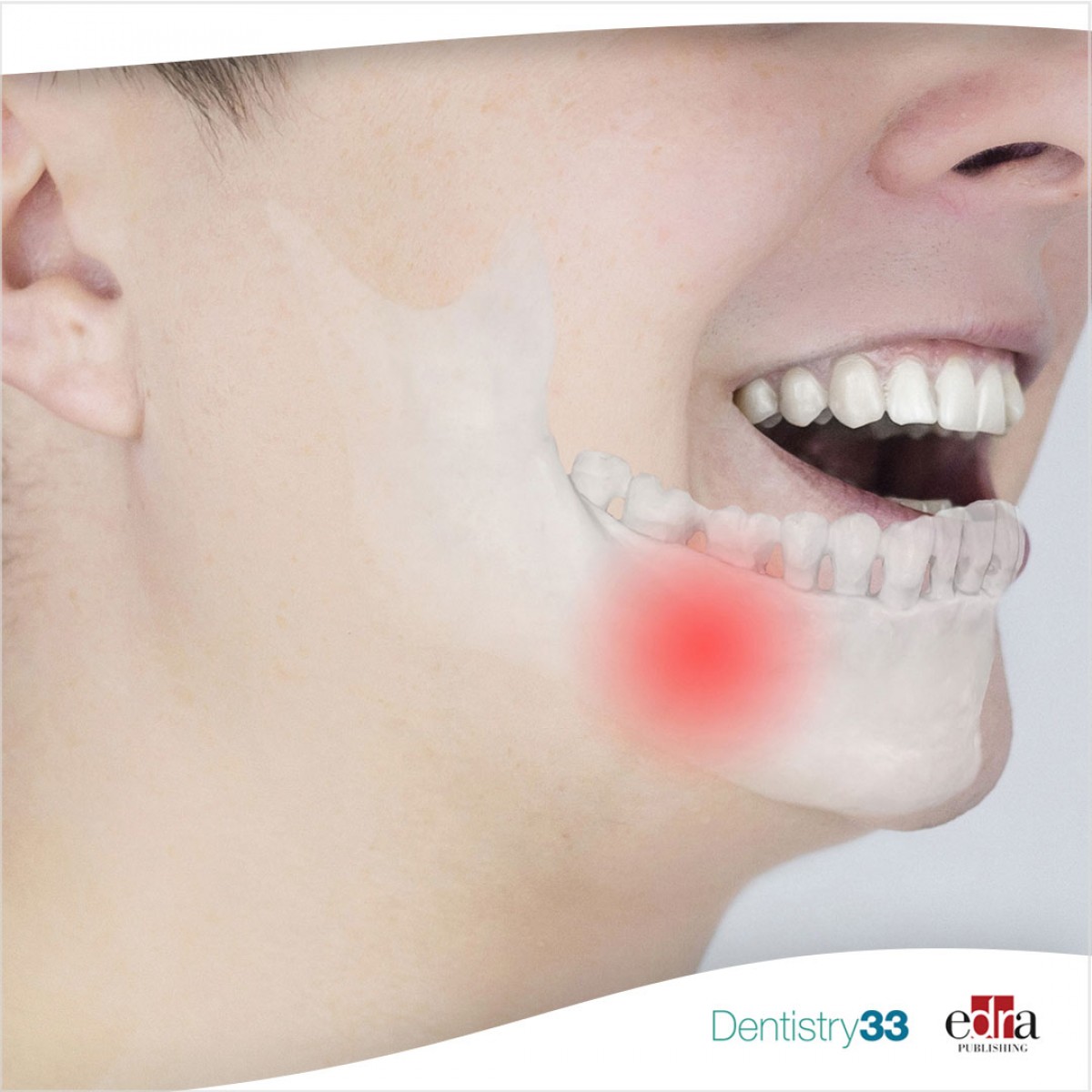
Mandibular osteomyelitis remains incompletely understood and the choice of treatment of its various types is different.
The main problem is that there is no single classification for the various forms of osteomyelitis, which makes it difficult to provide precise and detailed indications on the specific type of treatment for each of them.
The most common classification system internationally is the Zurich system which includes acute osteomyelitis (AO), primary chronic osteomyelitis (PCO) and secondary chronic osteomyelitis (SCO).
In addition to the varied and confusing terminology of this pathology in the literature, microscopic features cannot be reliably used to discriminate between osteomyelitis, osteonecrosis of the jaw, osteoradionecrosis (ORN), osteitis deformans and some benign fibro-osseous lesions.
It is also unclear whether osteomyelitis occurs in some bone dysplastic conditions such as osteopetrosis, osteitis deformans and cement-osseous dysplasia, whether it results from sickle cell anemia and whether it should be managed differently in these cases.
Materials and methods
In a systematic review, published in January 2023 in Oral Surgery Oral Medicine Oral Pathology Oral Radiology, the authors investigated the need for antibiotic therapy after surgical treatment of osteomyelitis of the jaw.
The authors performed a systematic review of articles published in the literature on the surgical management of osteomyelitis of the jaw with or without postoperative supportive antibiotic therapy to answer the question: "Does the use of postoperative antibiotics versus surgery alone alter the success rate in the treatment of osteomyelitis of the jaw?”
The literature search was performed using PubMed, Embase and Scopus databases. The evaluation of the articles was performed by 2 independent reviewers.
Results
Forty-five articles meeting the inclusion criteria were found. Of these, only 13 studies used the Zurich classification of acute osteomyelitis, secondary chronic osteomyelitis, or primary chronic osteomyelitis. The general heterogeneity of these studies made comparisons difficult. No study has performed an intentional statistical evaluation of various antibiotic therapy protocols.
Conclusions
Current evidence does not support the idea that mid- or long-term antibiotic therapy after surgery for PCO primary chronic osteomyelitis affects outcomes.
The current literature does not support the unrestrained prescription of antibiotics either for fear of medico-legal action or for compliance with patient requests.
This systematic review revealed no standardized guidelines for the various treatments of osteomyelitis or definitive conclusions in the management of this entity.
Whether surgical treatment was deemed appropriate due to the degree of bone involvement and destruction or the additional benefit of antibiotic therapy of any duration must remain questionable.
Similarly, the administration of antibiotics in the treatment of noninfectious osteomyelitis should be reconsidered.
For more information: "Necessity of antibiotics in the management of surgically treated mandibular osteomyelitis: A systematic review."
 Related articles
Editorials 30 March 2026
Research shows that the timing of antibiotics matters when treating gum disease

A first-of-its-kind clinical trial shows that administering antibiotics before periodontal treatment may better stabilize beneficial bacteria and support long-term oral health
Editorials 11 February 2026

The University of Pittsburgh has received a grant from the Richard King Mellon Foundation to support the project “Dental Antibiotic Stewardship: Doctors' Needs,” led by Deborah Polk, AB, PhD,...

There are many reasons for dental implant failure, the development of bacteremia is concern for dentists.
Restorative dentistry 07 February 2023

This article focuses on clinical manifestations patients may present with, treatment regimens and dental implications.
Dental materials 26 January 2023
UK dental professional bodies commit to preventing antimicrobial resistance

The College of General Dentistry, Association of Clinical Oral Microbiologists and Faculty of Dental Surgery of the Royal College of Surgeons of England, highlight the importance of working together...
Read more

Continuous innovation across the DEXIS ecosystem helps clinicians work with greater clarity, confidence, and efficiency
News 23 October 2026

CrownPoint Partners announced the successful closing of a $9.2 million, five-property dental sale-leaseback portfolio located throughout Michigan.
News 23 October 2026
Dentsply Sirona, Midwest Dental Expand Technology Relationship

Beginning November 1, Dentsply Sirona will expand its long-standing relationship with Midwest Dental Equipment & Supply beyond consumables to include its complete technology portfo
Editorials 23 October 2026
Honoring Excellence: Graduation Awards for CU Anschutz Dental Students and Faculty

As the University of Colorado Anschutz School of Dental Medicine celebrates the graduating DDS Class of 2025, we are proud to recognize the students and faculty members whose excep
Implantology 23 October 2026
This peer-reviewed implantology article summarizes clinical evidence from Clinical oral implants research (2026). It focuses on findings that may help dental professionals evaluate treatment...



Copyright © 2026 - All Rights Reserved
ISSN 2767-1178