


NIH grant helps ASOD researchers study TMD pain in adolescents

Adams School of Dentistry’s Caroline Sawicki, DDS, PhD, recently received an NIH-NIDCR R03 grant to study personalized treatment for temporomandibular disorder (TMD) pain in adolescents. Sawicki’s study explores what biological, sensory, and psychosocial factors come into play when successfully treating this type of pain in young people.
By analyzing a range of physiological and psychological measures, Sawicki and her team aim to uncover distinct subgroups of adolescents with chronic TMD pain, paving the way for more personalized and effective treatment strategies.
The study focuses on several key areas: salivary biomarkers of stress, inflammation, and pain, including cortisol, alpha-amylase, and interleukins-1β and -6; quantitative sensory testing to assess pain sensitivity; and self-reported measures of anxiety, depression, and perceived stress. These data will be used to identify phenotypic subgroups of adolescents, with the goal of better understanding whether their symptoms are primarily driven by inflammation, pain sensitivity, or psychosocial factors like stress and anxiety.
This research is a first-of-its-kind exploration of biological and psychosocial profiles in adolescents with TMD pain, and Sawicki said results could inform precision treatment planning for future patients in clinics. By tailoring treatments to the specific mechanisms driving each patient’s pain, clinicians can tailor the treatment approach based on the subgroups.
“By identifying specific subgroups defined by unique combinations of these features, we can move toward personalized, mechanism-based treatment approaches. For instance, understanding whether a patient’s pain is primarily influenced by inflammation, stress, or heightened sensitivity will allow clinicians to target interventions to the most relevant pathways, improving both effectiveness and long-term outcomes. This work establishes the foundation for a precision medicine framework in pediatric orofacial pain,” Sawicki said.
Isolating the underlying causes of TMD pain remains a challenge, but Sawicki said using a multimodal approach that takes into account biological markers, sensory testing and psychosocial measures to get a full picture of each patient’s experience with TMD pain.
The next steps for this research involve translating these findings into clinical tools that help providers quickly identify which adolescents are most at risk for persistent TMD pain and guide them toward targeted, evidence-based interventions.
“In the longer term, these methods can be applied to other pediatric chronic pain conditions, broadening the impact of this work. By advancing precision-based diagnostics and individualized care models, this research aims to improve early intervention, reduce pain persistence into adulthood, and enhance overall quality of life for affected youth,” Sawicki said.
Source: https://dentistry.unc.edu/
 Related articles
No. 6 national ranking in the Blue Ridge Institute for Medical Research (BRIMR) rankings of dental schools is best spot since 2021
In 2025, the UCSF School of Dentistry remained the top recipient of National Institutes of Health (NIH) grants among U.S. dental schools, with a total of $27,617,484 in funding for 55...
News 21 November 2025

GreenMark Biomedical Inc., a company developing innovative solutions for oral health, earlier this year was awarded funding via the Translational Resource Center (TRC) regenerative medicine program,...
Editorials 22 October 2025
She will examine how Medicaid adult dental coverage and preventive dental visits influence diagnosis and survival outcomes for oral and pharyngeal cancers.

In 2024, UCSF School of Dentistry was again the top recipient of National Institutes of Health (NIH) research grants.
Read more
Products 20 October 2026

News 20 October 2026

In recognition of National Dental Hygiene Month, Delta Dental highlights key findings from its 2026 State of America’s Oral Health and Wellness Report , a nationwide analysis of co
News 20 October 2026
Abra Health Group has launched The Dental Bank, a new community impact initiative designed to make essential oral health resources more accessible to individuals and families throu
Editorials 20 October 2026
Woman’s skull likely proof of ancient nose amputation, says College of Dentistry professor
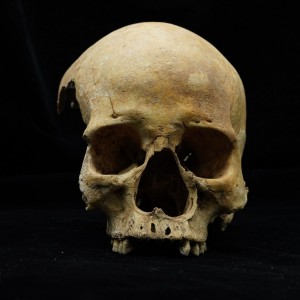
Qian Wang, professor in biomedical sciences at Texas A&M College of Dentistry in Dallas, identified what he and other researchers believe is likely one of the first examples of an
Endodontics 20 October 2026
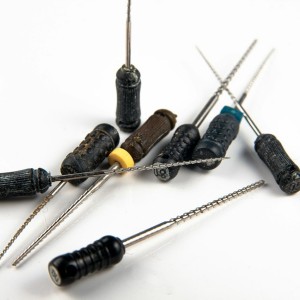
This peer-reviewed endodontics article summarizes clinical evidence from Clinical oral investigations (2026). It focuses on findings that may help dental professionals evaluate treatment decisions,...



Copyright © 2026 - All Rights Reserved
ISSN 2767-1178