


Numb chin syndrome: an important condition for oral health care professionals to know about
Lara Figini

Numb chin syndrome is a rare sensory neuropathy of the mental nerve, characterized by impaired perceived sensations. The condition may manifest with additional symptoms such as paresthesia, dysesthesia, hypoesthesia or analgesia in the jaw in areas surrounding the incisors and canines, including the gingival tissue, the mandibular symphysis region and the lower lip mucosa.
Symptoms can be unilateral or bilateral and are overlooked due to their apparent innocence. However, due to the frequent association of these symptoms with malignant pathologies, they should be given the utmost attention.
The symptoms of numb chin syndrome (NCS) may precede the diagnosis, indicating progression or recurrence of a diagnosed malignancy thought to be in remission. Oral healthcare professionals may be the first to encounter patients with numb chin syndrome and should be aware of its clinical features with the primary aim of decreasing patient morbidity and mortality.
Material and methods
In a review published in January 2023 in the Journal of the American Dental Association, the authors performed a literature search through PubMed (MEDLINE) and the Cochrane Library using the following keywords: numb chin syndrome, numb chin, mental neuropathy, nerve neuropathy mental and malignant mental nerve neuropathy. The team tracked 2,374 relevant studies.
After applying the inclusion and exclusion criteria, 102 studies remained. Descriptive statistics were conducted to analyze the responsible etiology of the numb chin syndrome, the characteristics of the NCS including associated symptoms, unilateral or bilateral nature and information about the subjects seen and the tests required to make a diagnosis.
Results
NCS was associated with malignancy in 29% to 53% of published cases. Up to 28% of patients initially consulted an oral practitioner and reported numb chin symptoms.
Patients most likely to have NCS are those between the ages of 61 and 70. Seventy-four percent of cases were unilateral and the most common symptoms reported were numbness (100%), paresthesia (18%) and pain (17%).
Forty-seven percent of NCS cases were associated with a recurrent malignancy, and the most prevalent diagnoses were breast cancer (32%), lymphoma, and leukemia (24%).
Oral healthcare professionals may be the first to evaluate patients with NCS and are ideally placed to assist in a diagnosis or make a diagnosis. To that end, clinicians should be aware of its characteristics.
Clinicians evaluating patients with numb chin symptoms should have a complete medical history taken, answering detailed questions about impaired sensation in the chin, mandibular teeth or any other area of the face. The medical team should also explore the history of the patient’s family.
A thorough cranial nerve screening and an extra-oral and intra-oral examination should be conducted afterwards. Complementary exams may include periapical and panoramic radiographs and advanced imaging, including cone beam.
Finally, implementing a rapid and efficient referral pathway is important as it can result in early diagnosis and timely referral, decreasing patient morbidity and mortality.
Conclusions
From the data of this review, it can be concluded that NCS is a rare but potentially dangerous sign of malignancy that should not be overlooked.
Oral healthcare professionals should be aware of the characteristics of NCS as they may be the first consulted for these symptoms.
For more information: Numb chin syndrome: What all oral health care professionals should know
 Related articles
Oral pathology 20 October 2022
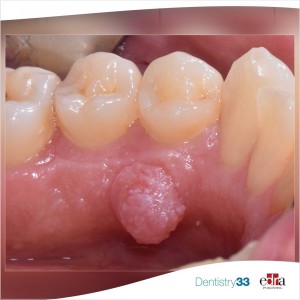
By: Giulio Villa, Elena Maddalone, Elena Maria Varoni, Davide Costa, Alberto Pispero, Laura Moneghini
A 46-year-old patient came to the dental emergency room of the Giorgio Vogel University Clinic of Milan. The patient was sent by the attending physician due to the presence of a gingival lesion that...
Read more

Jen Kim Field, chief sustainability officer at Henry Schein and president of the Henry Schein Cares Foundation, answers questions for Dentistry Today about the group’s achievements
News 12 October 2026

The education-first program offered learning for the entire dental practice, with practical insights spanning the full patient journey and focused on improving workflows, collabora
News 12 October 2026
AAO and Stand for the Silent Unite Communities This Month to Shine a Light on Bullying Prevention
Editorials 12 October 2026
Expanded coverage: Texas A&M’s Plemons named 2026 Texas Dentist of the Year

Sometimes a small act of generosity can make a tremendous impression, especially on a 7-year-old.
Endodontics 12 October 2026
This peer-reviewed endodontics article summarizes clinical evidence from Journal of dentistry (2026). It focuses on findings that may help dental professionals evaluate treatment decisions, patient...



Copyright © 2026 - All Rights Reserved
ISSN 2767-1178