


The Role of Oral Hygiene in Inflammatory Bowel Disease

Background
The ‘hygiene hypothesis’ suggests that a reduction in the microbial exposure due to improved health measures has contributed to an immunological imbalance in the intestine and increased the incidence of autoimmune diseases such as inflammatory bowel diseases (IBD). Accordingly, we investigated associations between oral hygiene practices and IBD.
Methods
We developed and administered a multiple choice questionnaire to evaluate oral hygiene and dental care practices of 137 subjects (83 with IBD and 54 healthy controls).
Results
Of the 83 IBD cases, 31% had ulcerative colitis and 69% had Crohn’s disease. For subjects with IBD, the frequency of brushing at disease onset was significantly higher than in controls (P = 0.005). Also, the frequency of use of dental floss and breath freshener at disease onset was significantly higher in IBD patients (P = 0.005 and <0.001, respectively). Also, patients with IBD more frequently visited their dentist at disease onset (P < 0.001) and continued to visit their dentist more often (P < 0.001). IBD cases had a higher frequency of dental complications such as tooth caries (P = 0.007), oral ulcers (P = 0.04) and dry mouth (P = 0.001).
Conclusions
These findings suggest that oral hygiene practices may cause alterations in the flora of the oral mucosa, which causes imbalance in the gut microbiome (dysbiosis), and thereby contributes to the pathogenesis of IBD. Conversely, the increased frequency of dental problems in IBD patients might be due, at least in part, to alterations in oral flora or to their disease.
Authors: Shashideep Singhal, Delia Dian, Ali Keshavarzian, Louis Fogg, Jeremy Z. Fields, Ashkan Farhadi
Source: https://link.springer.com/
 Related articles
This study was not funded by any organization or institution or any research grant company.
Digital Dentistry 20 April 2026
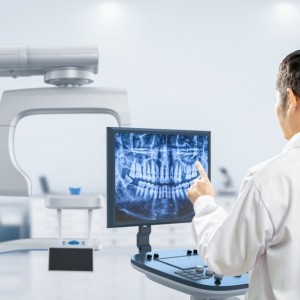
To report a fully digital and guided immediate-load All-on-4 protocol conducted in Brazil on a 59-year-old male patient with an edentulous maxilla and a history of oropharyngeal cancer surgery,...
Pediatric dentistry 14 April 2026
Comparison between dexmedetomidine and esketamine in pediatric dentistry surgery
Dexmedetomidine (D) and esketamine (K) are used for the sedation of pediatric dental surgery. This study was designed to compare the effect of intranasal D and K in producing moderate sedation for...
Prosthodontics 01 April 2026
Evidence-based clinical practice is a process of combining research utilization, clinical expertise, and appreciation of the unique needs of patients to achieve better quality of care and improved...
Periodontology 15 December 2025

In dental practice, the successful management of a patient with periodontitis and concurrent diabetes can be challenging.
Read more
Products 15 October 2026
The belief in the healing power of light goes all the way back to ancient Egypt and the worship of Rah, the sun god.
Nearly half the world’s population is affected by oral disease—and the number of cases is rising.
News 15 October 2026

New office at 3170 R Street adds walk-in availability and same-day care options in a region where dental providers are in short supply
Each year, the University of Colorado Anschutz School of Dental Medicine (SDM) Excellence Awards recognize individuals whose dedication, leadership and innovation strengthen our mi
Oral surgery 15 October 2026
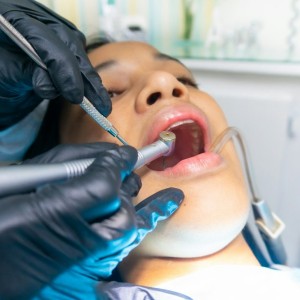
This peer-reviewed oral surgery article summarizes clinical evidence from International journal of oral and maxillofacial surgery (2026). It focuses on findings that may help dental professionals...



Copyright © 2026 - All Rights Reserved
ISSN 2767-1178