


Lessons learned from dental patient safety case reports

Background
Errors are commonplace in health care, including dentistry. It is imperative for dental professionals to intercept errors before they lead to an adverse event and to mitigate their effects when an adverse event occurs. This requires a systematic approach at both the profession level, encapsulated in the Agency for Healthcare Research and Quality’s patient safety initiative framework, as well as at the practice level, in which crew resource management is a tested paradigm. Supporting patient safety at both the profession and dental practice levels relies on understanding the types and causes of errors, which have not been well studied.
Methods
The authors performed a retrospective review of dental adverse events reported in the literature. Electronic bibliographic databases were searched, and data were extracted on background characteristics, incident description, case characteristics, clinic setting where adverse event originated, phase of patient care that adverse event was detected, proximal cause, type of patient harm, degree of harm, and recovery actions.
Results
The authors identified 182 publications (containing 270 cases) through their search. Delayed treatment, unnecessary treatment, or disease progression after misdiagnosis was the largest type of harm reported. Of the reviewed cases, 24.4% of those patients involved in an adverse event experienced permanent harm. One of every 10 case reports reviewed (11.1%) reported that the adverse event resulted in the death of the affected patient.
Conclusions
Published case reports provide a window into understanding the nature and extent of dental adverse events; however, the overall dearth of publications on adverse events in the dental literature points to the need for more study.
Practical Implications
Siloed and incomplete contributions to dentistry’s understanding of adverse events in the dental office are threats to dental patients’ safety. Publishing more, and more comprehensive, case reports on adverse events is recommended for dental practitioners.
Authors: Enihomo M. Obadan DDS, MPH, Rachel B. Ramoni DMD, ScD, Elsbeth Kalenderian DDS, MPH, PhD
Source: https://www.sciencedirect.com/
 Related articles

From pediatric practice to the top of the world, Blake Higgins, DDS '15, shares the skills and mindset that helped him reach new heights
Editorials 08 August 2025

Prosthodontics 01 April 2026
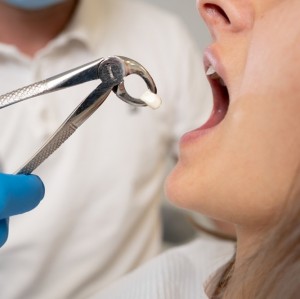
Evidence-based clinical practice is a process of combining research utilization, clinical expertise, and appreciation of the unique needs of patients to achieve better quality of care and improved...
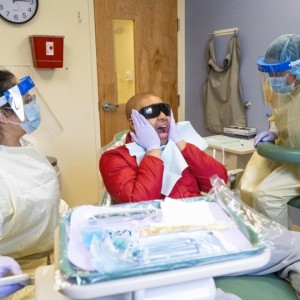
With a new name, Tufts Special Care Dental Clinics continues a 50-year mission of treating people with intellectual and developmental disabilities
News 14 August 2025

With renewed energy and commitment, Dentsply Sirona once again brought people together for a charity walk that ties into its commitment to increasing access to oral healthcare globally.
Read more
Products 14 October 2026
Royal Philips (NYSE: PHG, AEX: PHIA) announced that the Philips Sonicare Next-Generation DiamondClean 9900 Prestige, its most advanced and intelligent toothbrush to date, is now av

Key transaction by Heartland Dental and its supported practices expands opportunities for supported doctors, teams, and practices while strengthening Heartland Dental’s supported f
News 14 October 2026
Henry Schein Cares Celebrates 25 Years of Corporate Citizenship
Henry Schein Cares, Henry Schein, Inc.’s global corporate citizenship program, is celebrating a quarter century of bringing together Team Schein Members, customers, supplier partne
Editorials 14 October 2026
Scholarship at the CU Anschutz School of Dental Medicine reflects the collective contributions of our faculty, staff, residents and students.
Oral Hygiene & Prevention 14 October 2026
Propolis-containing formulations in caries prevention - a systematic review and meta-analysis.
This peer-reviewed oral hygiene & prevention article summarizes clinical evidence from Clinical oral investigations (2026). It focuses on findings that may help dental professionals evaluate...


Copyright © 2026 - All Rights Reserved
ISSN 2767-1178