


Management of oral health in special needs patients
Gianna Maria Nardi
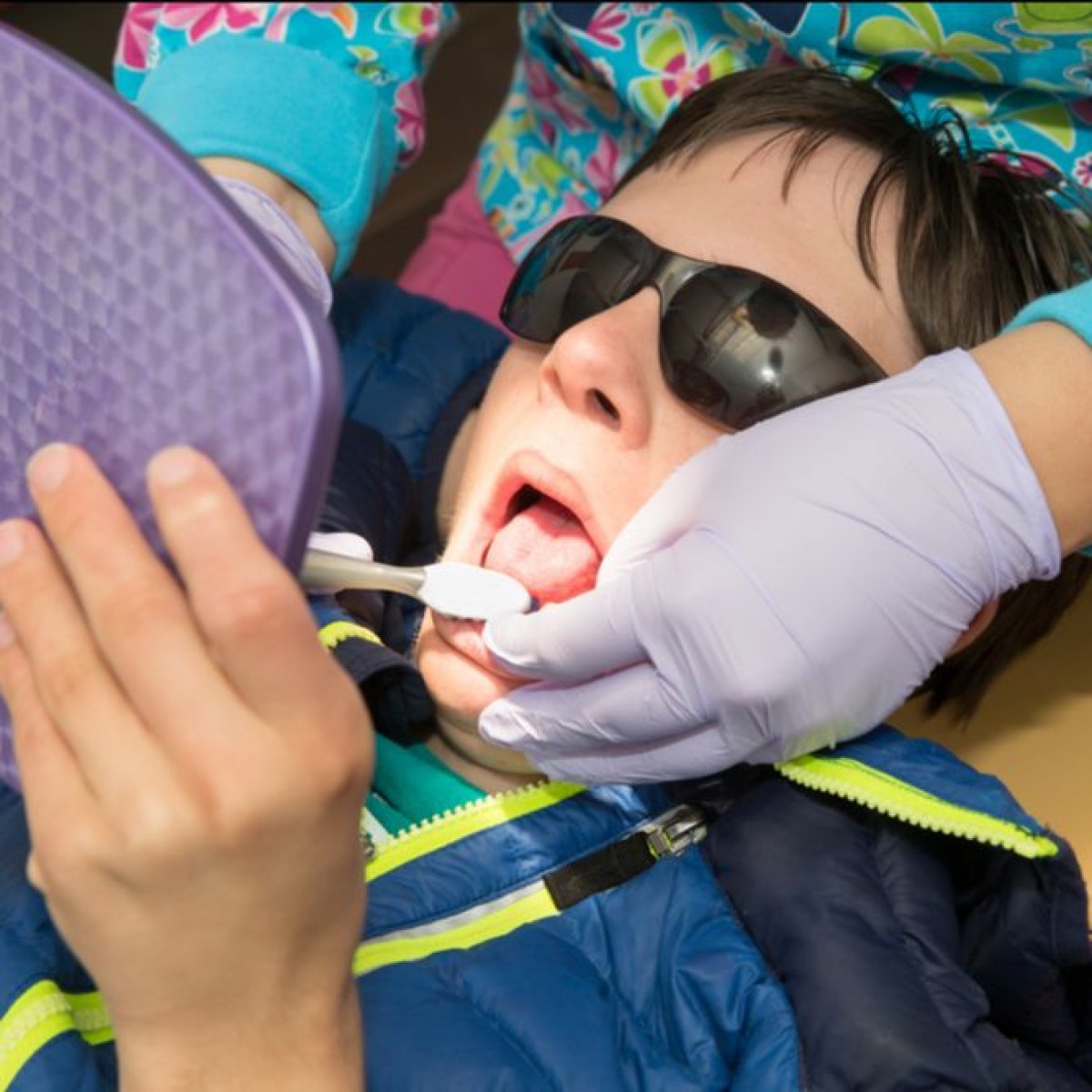
The person with disabilities needs assistance that meets the criteria of efficiency and effectiveness of the operational prevention protocols, which respond to the personalization of therapeutic paths considering the critical issues caused by physical, sensorial, cognitive disabilities which must include particular attention to participation active and responsible caregiver.
In the public and private sectors, it would be appropriate to provide dedicated environments that allow managing the management difficulties in some cases of autism spectrum disorders or severe intellectual disabilities or multiple disabilities. Often, despite the fact that appropriate environments are not provided, it is the sensitivity, preparation, clinical experience and creativity of professionals and the active collaboration of caregivers that manages to overcome operational difficulties.
Dedicated technological innovations help innovative clinical procedures, which allow operational protocols to be easy in time and accepted by fragile patients, as they are minimally invasive.
The prevention of oral pathologies is necessary, as for all assisted people, but precisely by virtue of the fragilities present, it is necessary to prepare appropriately trained health workers to provide safe and effective operational protocols that allow problems in the oral cavity to be intercepted early and intervened. with close and continuous follow-ups, involving caregivers in the responsibility for the success of the health journey.
To personalize therapies and involve the special needs patient and caregivers as much as possible, communication adapted to all conditions of fragility will be appropriate, and home therapies will be agreed upon in the most convenient timing and choice of tools.
If we refer to the control of mechanical bacterial biofilm at home, there are different opportunities, including manual, mechanical, sonic and hydrosonic toothbrushes and the choice must be agreed with the assisted person if possible, otherwise with the caregivers.
For the control of biofilm in the supra-crestal spaces, rubber brushes are certainly a valid aid for the caregiver, or for the sensorially disabled person, in order to avoid any damage to the gingival tissues during the operation.
For the chemical control of bacterial biofilm, where possible, spray mouthwashes with various remineralising molecules or for the control of inflammation for daily use, mouthwashes, toothpastes and gels with ozonated olive oil which has an anaesthetic, anti-inflammatory and anti-edema action (IALOZON ).
For fragile patients who have difficulty expectorating, it is better to choose food supplements, which can be swallowed peacefully (RIOCOL). Lesions on the enamel, intercepted early, can be treated, up to ICDAS 2, in a non-invasive way with the use of peptides. But it is essential to choose prevention procedures very carefully with the aim of achieving compliance, thinking, without pity, of treating complex patients with different frailties.
 Related articles
Editorials 20 September 2026
Dentistry33 survey shows small practices balancing growth, costs and technology modernization
Reader survey finds solo and small practices remain prominent while staffing, rising costs and digital adoption shape business priorities
Reader survey finds solo and small practices remain prominent while staffing, rising costs and digital adoption shape business priorities
This case report illustrates the successful interdisciplinary management of a complex dental trauma involving tooth No.
News 01 July 2026

The Incisive portal consolidates case tracking, billing, and lab management across every Incisive partner lab, giving practices the visibility needed to deliver better restorative
Oral surgery 10 April 2026
A systematic literature search in MEDLINE, Embase, and the Guideline websites, from October 2007 to October 2012, produced articles that were critically evaluated.
News 23 March 2026
New Gingividual® Concept Basic supports standardised digital workflows for soft tissue management

Camlog announces the international launch of Gingividual® Concept Basic, a standardised, digital-first solution designed to streamline implant prosthetic workflows and support predictable soft...
Read more
Continuous innovation across the DEXIS ecosystem helps clinicians work with greater clarity, confidence, and efficiency
News 07 October 2026
Lightspun and SDB Partner to Speed Dental Provider Onboarding

Lightspun’s AI automation cuts provider onboarding from up to 12 weeks to under two weeks across SDB’s 300-provider, 25-state network
News 07 October 2026
Smile Train invites New York City to share moments of joy and raise awareness for people affected by cleft at Grand Central Terminal.
Editorials 07 October 2026
Woman’s skull likely proof of ancient nose amputation, says College of Dentistry professor
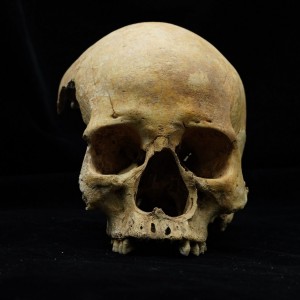
Qian Wang, professor in biomedical sciences at Texas A&M College of Dentistry in Dallas, identified what he and other researchers believe is likely one of the first examples of an
Oral surgery 07 October 2026
This peer-reviewed oral surgery article summarizes clinical evidence from International journal of oral and maxillofacial surgery (2026). It focuses on findings that may help dental professionals...



Copyright © 2026 - All Rights Reserved
ISSN 2767-1178