


Evaluation of the effectiveness of a new fluoride toothpaste containing EDTA
Lara Figini

Gingivitis is a nonspecific inflammatory condition in response to the accumulation of oral biofilm and is an inevitable precursor of periodontitis.
Optimal oral hygiene, including the use of suitable toothpaste, could significantly improve plaque accumulation and gingival inflammation, preventing and treating gingivitis and potentially preventing its progression to periodontitis. Toothpastes designed for tartar control mainly contain chelators (for example, sodium hexametaphosphate, tetrasodium pyrophosphate, pentasodium triphosphate, copolymeric malic acid, citric acid, EDTA, etc.); Literature studies have demonstrated the effectiveness of a new EDTA-based dental gel capable of reducing oral plaque deposits, gingival inflammation and probing depth with minimal side effects reported by the patient and minimal impact on the microarchitecture of the surface of the tooth and its microhardness.
Materials and methods
In a clinical trial, published in the Journal of Periodontoogy, the authors evaluated plaque index, degree of gingival inflammation and sulcular bleeding in patients who used one of four available fluoride-containing toothpastes on the market in comparison with an innovative toothpaste containing fluoride combined with EDTA.
The 5 toothpastes tested in the study contained:
-0.454% sanoc fluoride and 2.6% EDTA (group D1);
-0.24% sodium fluoride (group C);
-0.454% sanonous fluoride of three different brands (group D2, group D3, group D4).
150 subjects participated in the study over a 3-month period. Participants were asked to brush their teeth with the assigned toothpaste twice a day for 2 minutes using a pea-sized amount of the provided toothpaste. The co-primary endpoints were improvement in plaque index (PI) and modified gingival index (mGI) compared to baseline values. No professional cleaning was performed during the study period.
Results
Statistically significant improvements were recorded in all oral hygiene measures during the 3-month study period in all subjects considered in the study. Subjects using the experimental toothpaste (D1) showed statistically significantly greater reductions in PI, mGI, and modified sulcular bleeding index (mSBI) than all other subjects using the commercially available toothpastes tested (p <0.00001).
Conclusions
From the data of this study, which must be confirmed in other similar works, it can be concluded that the new toothpaste containing 0.454% sano fluoride and 2.6% EDTA offers significant improvements in the clinical parameters associated with gingivitis compared to other toothpastes containing sodium fluoride and centous fluoride.
 Related articles
Oral Hygiene & Prevention 30 September 2026
Propolis-containing formulations in caries prevention - a systematic review and meta-analysis.
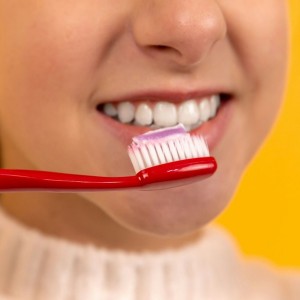
This peer-reviewed oral hygiene & prevention article summarizes clinical evidence from Clinical oral investigations (2026). It focuses on findings that may help dental professionals evaluate...
Oral Hygiene & Prevention 23 September 2026
Propolis-containing formulations in caries prevention - a systematic review and meta-analysis.
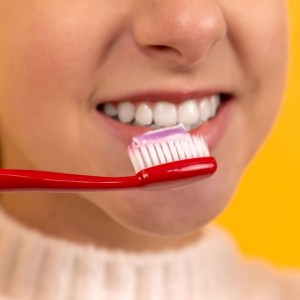
This peer-reviewed oral hygiene & prevention article summarizes clinical evidence from Clinical oral investigations (2026). It focuses on findings that may help dental professionals evaluate...
Oral Hygiene & Prevention 09 September 2026
Propolis-containing formulations in caries prevention - a systematic review and meta-analysis.
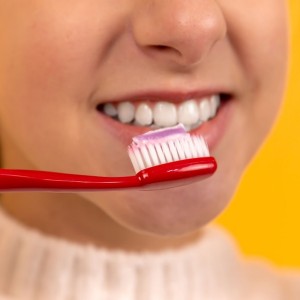
This peer-reviewed oral hygiene & prevention article summarizes clinical evidence from Clinical oral investigations (2026). It focuses on findings that may help dental professionals evaluate...
Oral Hygiene & Prevention 26 August 2026
Propolis-containing formulations in caries prevention - a systematic review and meta-analysis.
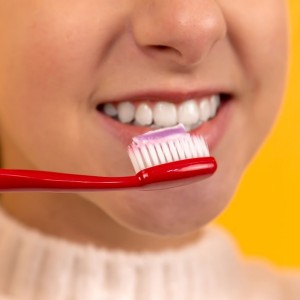
This peer-reviewed oral hygiene & prevention article summarizes clinical evidence from Clinical oral investigations (2026). It focuses on findings that may help dental professionals evaluate...
Oral Hygiene & Prevention 22 July 2026
This peer-reviewed oral hygiene & prevention article summarizes clinical evidence from Journal of dentistry (2026). It focuses on findings that may help dental professionals evaluate treatment...
Read more

Jen Kim Field, chief sustainability officer at Henry Schein and president of the Henry Schein Cares Foundation, answers questions for Dentistry Today about the group’s achievements
News 12 October 2026

The education-first program offered learning for the entire dental practice, with practical insights spanning the full patient journey and focused on improving workflows, collabora
News 12 October 2026
AAO and Stand for the Silent Unite Communities This Month to Shine a Light on Bullying Prevention
Editorials 12 October 2026
Expanded coverage: Texas A&M’s Plemons named 2026 Texas Dentist of the Year

Sometimes a small act of generosity can make a tremendous impression, especially on a 7-year-old.
Endodontics 12 October 2026
This peer-reviewed endodontics article summarizes clinical evidence from Journal of dentistry (2026). It focuses on findings that may help dental professionals evaluate treatment decisions, patient...


Copyright © 2026 - All Rights Reserved
ISSN 2767-1178