


Comparative effectiveness of probiotics, prebiotics, synbiotics, and postbiotics in preventing dental caries: a meta-analysis from an oral microbiota modulation perspective.
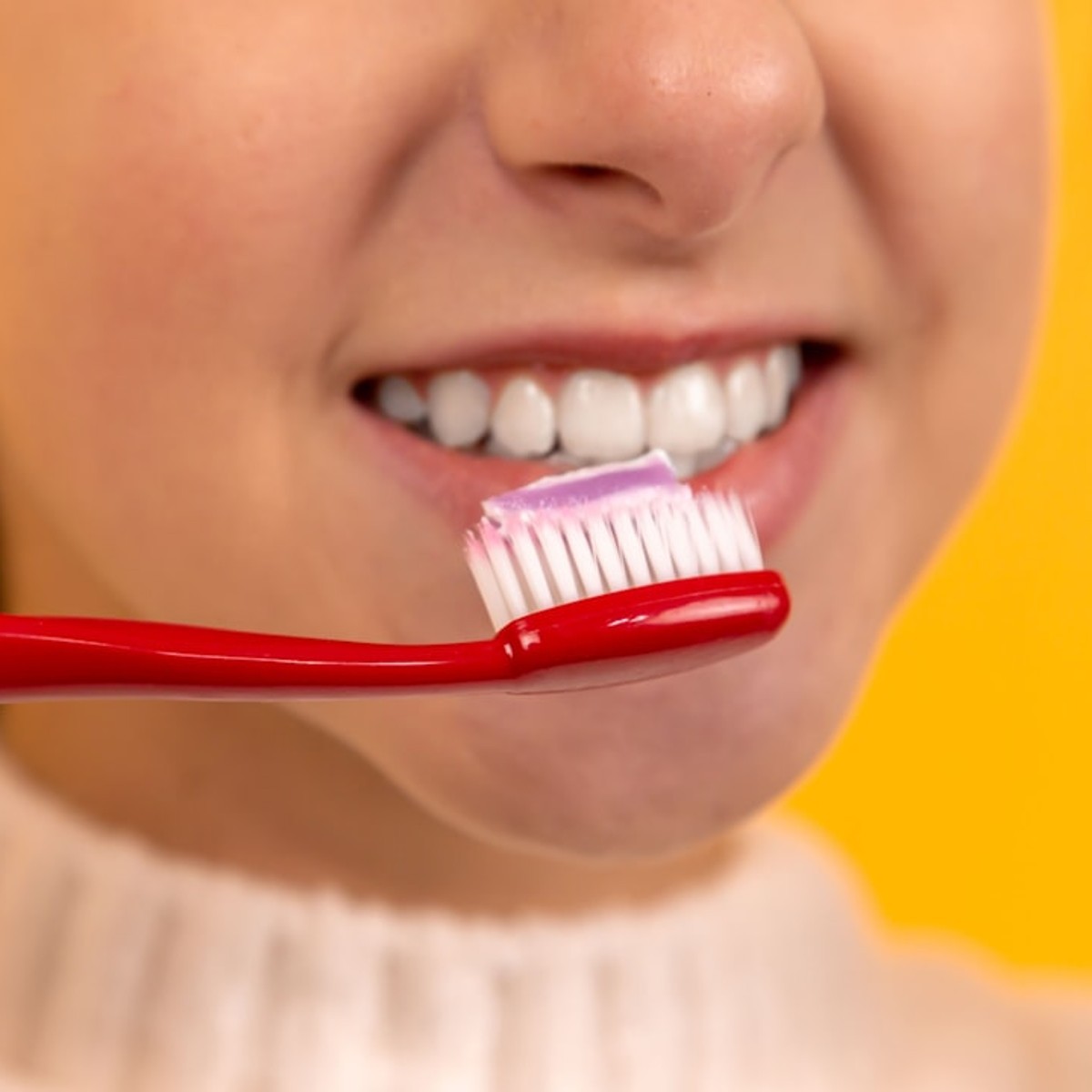
This peer-reviewed oral hygiene & prevention article summarizes clinical evidence from BMC oral health (2026). It focuses on findings that may help dental professionals evaluate treatment decisions, patient outcomes, or clinical protocols.
Abstract
BACKGROUND: Dental caries remains one of the most prevalent non-communicable diseases worldwide, imposing substantial health and economic burdens despite conventional preventive measures such as fluoride use and oral hygiene. Increasing recognition of caries as a dysbiosis-driven biofilm disease has prompted exploration of microbiota-modulating strategies, including probiotics, prebiotics, synbiotics, and postbiotics.
AIM: This systematic review and meta-analysis aimed to compare the effectiveness of probiotics, prebiotics, synbiotics, and postbiotics in preventing dental caries and to assess associated microbiological and ecological outcomes.
METHODS: A comprehensive search of MEDLINE, Embase, Cochrane CENTRAL, Web of Science, Scopus, trial registries, and grey literature was performed from inception to 2024. Randomized controlled trials and controlled clinical trials assessing caries outcomes or validated intermediate endpoints were included. Data extraction and risk-of-bias assessments were conducted independently by two reviewers. Random-effects meta-analysis was applied to estimate pooled risk ratios (RRs) with subgroup analyses by age, strain, delivery format, and duration. Certainty of evidence was graded using GRADE methodology.
RESULTS: Twenty-five studies met inclusion criteria; 18 randomized trials contributed to meta-analysis. Probiotics demonstrated the strongest clinical signal. In pediatric populations (12 RCTs; n ≈ 2,300), probiotics significantly reduced new or progressive caries (RR = 0.80; 95% CI, 0.68–0.95). Adult probiotic trials (6 RCTs; n ≈ 1,100) showed no significant benefit (RR = 0.95; 95% CI, 0.80–1.12). Evidence for prebiotics ( n = 3), synbiotics ( n = 2), and postbiotics ( n = 3) was sparse, heterogeneous, and largely limited to microbiological endpoints, including reductions in Streptococcus mutans and favorable plaque pH shifts. Reported adverse events were mild and infrequent.
DISCUSSION: Probiotics, particularly Lactobacillus rhamnosus and L. reuteri delivered via lozenges or dairy products, show moderate-certainty evidence for modest caries prevention in children. Other microbiota-modulating approaches remain promising but under-investigated, constrained by small sample sizes, heterogeneous interventions, and lack of standardized outcomes.
CONCLUSION: Probiotics represent a safe and acceptable adjunct to conventional preventive strategies in pediatric populations, though benefits are modest. Prebiotics, synbiotics, and postbiotics require further validation through large, long-term, strain-specific RCTs with standardized clinical endpoints and mechanistic analyses to clarify their role in caries prevention.
Key takeaway
Key takeaway: This review-level evidence helps clinicians interpret the consistency and strength of available clinical findings in this topic area.
Introduction from full text
Dental caries is a biofilm-dependent disease that continues to challenge conventional preventive strategies, such as fluoride application and mechanical plaque removal. Biofilm-targeted therapies (BTT), including probiotics, photodynamic therapy, enzymatic treatments, and natural compounds, represent promising alternatives to disrupt pathogenic biofilms effectively. However, the available evidence remains fragmented, with inconsistent methodologies and limited clinical data hindering comprehensive conclusions.
Peer-reviewed source
Chuan Lu, Shuai Zhang, Guang Hong
BMC oral health. 2026
DOI: 10.1186/s13643-025-02921-0
PMID: 41593561
PubMed: https://pubmed.ncbi.nlm.nih.gov/41593561/
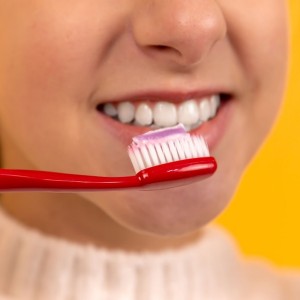
Image: Diana Polekhina (Unsplash)
 Related articles
Oral Hygiene & Prevention 14 October 2026
Propolis-containing formulations in caries prevention - a systematic review and meta-analysis.
This peer-reviewed oral hygiene & prevention article summarizes clinical evidence from Clinical oral investigations (2026). It focuses on findings that may help dental professionals evaluate...
Oral Hygiene & Prevention 30 September 2026
Propolis-containing formulations in caries prevention - a systematic review and meta-analysis.
This peer-reviewed oral hygiene & prevention article summarizes clinical evidence from Clinical oral investigations (2026). It focuses on findings that may help dental professionals evaluate...
Oral Hygiene & Prevention 23 September 2026
Propolis-containing formulations in caries prevention - a systematic review and meta-analysis.
This peer-reviewed oral hygiene & prevention article summarizes clinical evidence from Clinical oral investigations (2026). It focuses on findings that may help dental professionals evaluate...
Oral Hygiene & Prevention 09 September 2026
Propolis-containing formulations in caries prevention - a systematic review and meta-analysis.
This peer-reviewed oral hygiene & prevention article summarizes clinical evidence from Clinical oral investigations (2026). It focuses on findings that may help dental professionals evaluate...
Oral Hygiene & Prevention 26 August 2026
Propolis-containing formulations in caries prevention - a systematic review and meta-analysis.
This peer-reviewed oral hygiene & prevention article summarizes clinical evidence from Clinical oral investigations (2026). It focuses on findings that may help dental professionals evaluate...
Read more
Edra Professional Books 24 October 2026
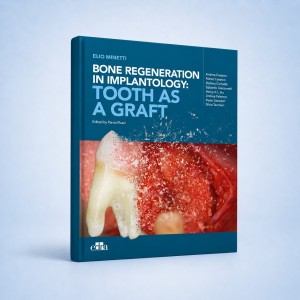
Bone regeneration in implantology: tooth as a graft is an Edra professional dentistry reference focused on clinical practice, education and treatment planning.

Continuous innovation across the DEXIS ecosystem helps clinicians work with greater clarity, confidence, and efficiency
News 23 October 2026
CrownPoint Partners announced the successful closing of a $9.2 million, five-property dental sale-leaseback portfolio located throughout Michigan.
News 23 October 2026
Dentsply Sirona, Midwest Dental Expand Technology Relationship
Beginning November 1, Dentsply Sirona will expand its long-standing relationship with Midwest Dental Equipment & Supply beyond consumables to include its complete technology portfo
Editorials 23 October 2026
Honoring Excellence: Graduation Awards for CU Anschutz Dental Students and Faculty

As the University of Colorado Anschutz School of Dental Medicine celebrates the graduating DDS Class of 2025, we are proud to recognize the students and faculty members whose excep



Copyright © 2026 - All Rights Reserved
ISSN 2767-1178