


Retirement home residents: the influence of oral hygiene on general health
Lara Figini
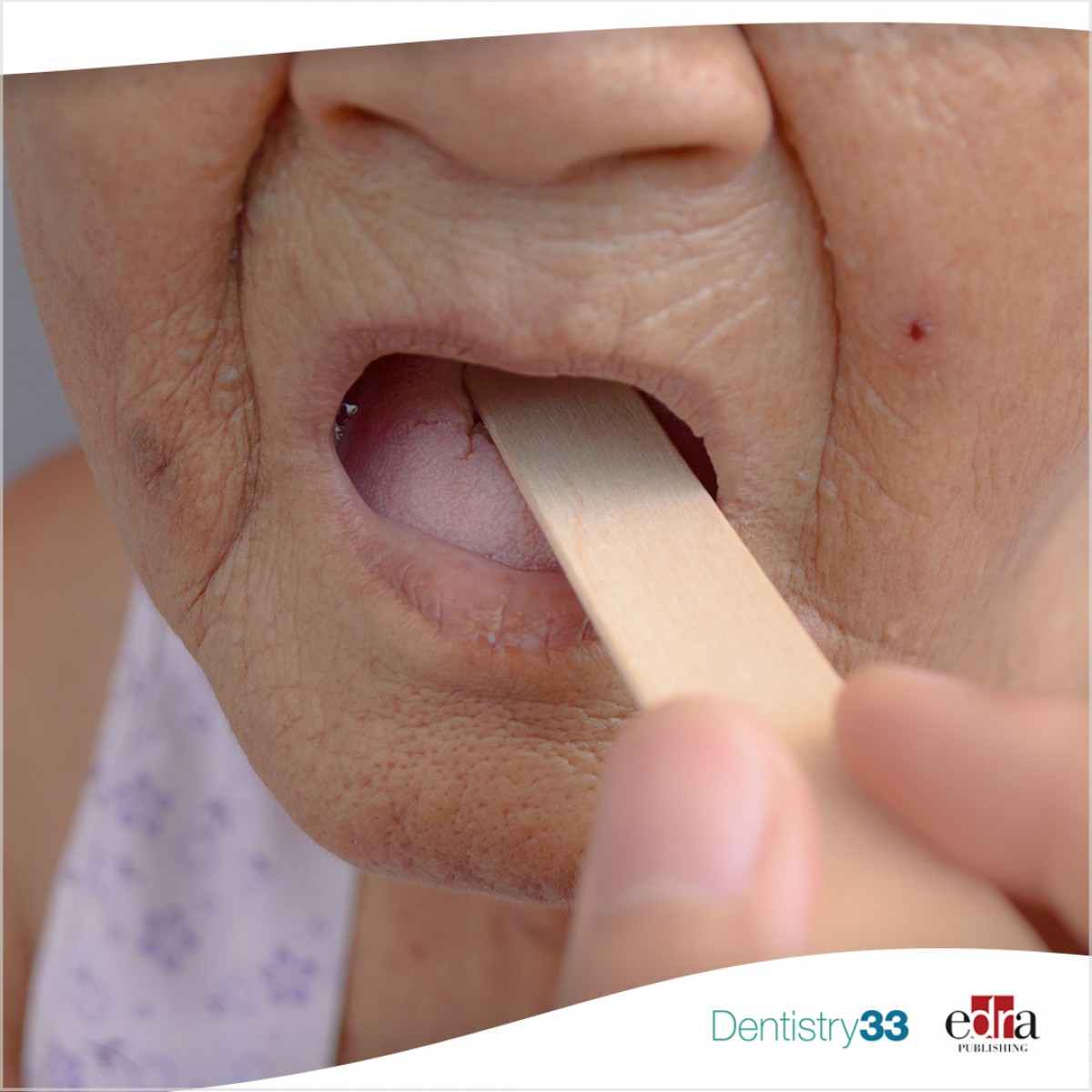
An increasing number of elderly people live in long-term care facilities, and an examination of their oral health reveals a bad situation in terms of dental, periodontal, cleaning of prostheses, health of the tongue and oral cavity. This reduced oral health is affected by multiple problems such as dementia, frailty, mental disorders, or malnutrition and multiple drug therapy. However, reduced oral health could affect the general state of health, and in particular it could affect the nutritional status, worsen cardiovascular diseases or cause aspiration pneumonia. Due to visual problems, reduced grip, sarcopenia, dementia, or financial problems, oral health care is unfortunately neglected by these elderly, without neglecting the limiting aspect represented by their caregivers who often highlight a lack of knowledge and lack of skills for address the various gold / dental problems, (control and cleaning of dentures, etc.), poor aptitude and low priority for oral health: the high turnover of personnel must also be considered. Interventions would be needed to improve this situation through the educational training of nurses and / or caregivers in hygiene and oral health and by increasing professional oral hygiene sessions in these hospital facilities.
Materials and methods
In a study published in Clinical and Experimental Dental Research in February 2022, the authors examined the influence of quarterly professional oral care interventions on the oral and general health of elderly residents in long-term care homes. 152 participants (mean age 84 years) from two residential homes for the elderly were examined. General health parameters, a questionnaire for their caregivers and oral health parameters were assessed at baseline and after 1 year. All caregivers were given an oral hygiene lesson at baseline. In a nursing home (B), professional oral hygiene was performed every 3 months. Statistical analyzes were performed by means of the Chi2 test for nominal data and by means of the t-test for numerical data.
Results
Thirty-nine people were lost to follow-up due to their deaths. No statistical differences were found between residents of houses A and B at baseline time and at 1-year reassessment for age, gender and body mass index BMI. No significant differences were found between the results obtained by the two different nursing homes regarding general health. Some oral parameters were positively influenced by the quarterly intervention such as pocket depth, prosthesis hygiene index and mucosal alterations. Edentulism and the DMFT (Decayed, Missing and Filled Teeth) Index did not differ between the two nursing homes or over time. Pocket depth was assessed mesially and distally in 338 teeth in house A and 428 teeth in house B. Only the group of teeth with pocket depth> 4 mm showed significant reduction following quarterly professional oral care interventions at house B during the observation period.
Conclusions
From the study data, researchers concluded that quarterly occupational hygiene is unable to influence general health in elderly people residing in nursing homes and has slight positive effects on oral health. The authors said this underscores the necessity for frequent interventions. An optimization of the health policy framework is necessary to allow caregivers more time for oral hygiene and to establish the accessibility of frequent professional health care in residents' homes.
Peroz, Ingrid and Klein, Christoph. "Influence of professional dental hygiene on oral and general health of retirement home residents: A comparative study." Clin Exp Dent Res. 2022 Feb; 8(1): 45–53. doi: 10.1002/cre2.488
 Related articles
Endodontics 21 October 2026
This peer-reviewed endodontics article summarizes clinical evidence from BMC oral health (2026). It focuses on findings that may help dental professionals evaluate treatment decisions, patient...
Endodontics 19 October 2026

This peer-reviewed endodontics article summarizes clinical evidence from BMC oral health (2026). It focuses on findings that may help dental professionals evaluate treatment decisions, patient...
Pediatric dentistry 09 October 2026
This peer-reviewed pediatric dentistry article summarizes clinical evidence from BMC oral health (2026). It focuses on findings that may help dental professionals evaluate treatment decisions,...
Periodontology 08 October 2026
This peer-reviewed periodontology article summarizes clinical evidence from BMC oral health (2026). It focuses on findings that may help dental professionals evaluate treatment decisions, patient...
Oral pathology 02 October 2026
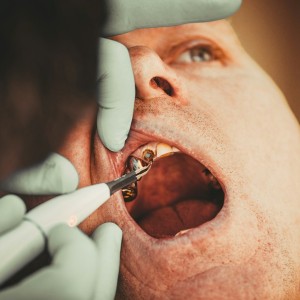
This peer-reviewed oral pathology article summarizes clinical evidence from BMC oral health (2024). It focuses on findings that may help dental professionals evaluate treatment decisions, patient...
Read more

Continuous innovation across the DEXIS ecosystem helps clinicians work with greater clarity, confidence, and efficiency
News 23 October 2026
CrownPoint Partners announced the successful closing of a $9.2 million, five-property dental sale-leaseback portfolio located throughout Michigan.
News 23 October 2026
Dentsply Sirona, Midwest Dental Expand Technology Relationship
Beginning November 1, Dentsply Sirona will expand its long-standing relationship with Midwest Dental Equipment & Supply beyond consumables to include its complete technology portfo
Editorials 23 October 2026
Honoring Excellence: Graduation Awards for CU Anschutz Dental Students and Faculty

As the University of Colorado Anschutz School of Dental Medicine celebrates the graduating DDS Class of 2025, we are proud to recognize the students and faculty members whose excep
Implantology 23 October 2026
This peer-reviewed implantology article summarizes clinical evidence from Clinical oral implants research (2026). It focuses on findings that may help dental professionals evaluate treatment...


Copyright © 2026 - All Rights Reserved
ISSN 2767-1178