


COVID-19 guidance for health care personnel updates from the CDC

Due to concerns about increased transmissibility of the SARS-CoV-2 Omicron variant, this guidance is being updated to enhance protection for healthcare personnel (HCP), patients, and visitors and address concerns about potential impacts on the healthcare system given a surge of SARS-CoV-2 infections. These updates will be refined as additional information becomes available to inform recommended actions.
• Ensure that SARS-CoV-2 testing is performed with a test capable of detecting external icon SARS-CoV-2, even with currently circulating variants in the United States.
• Updated recommendations regarding when HCP with SARS-CoV-2 infection could return to work
• The definition of higher-risk exposure was updated to include using a facemask (instead of a respirator) by HCP if the infected patient is not also wearing a facemask or cloth mask.
• Added options that would allow asymptomatic HCP with a higher-risk exposure who have not received all COVID-19 vaccine doses, including booster dose, as recommended by CDC to return to work prior to the previously recommended 14-day post-exposure period of work restriction, assuming they do not develop symptoms or test positive for SARS-CoV-2.
Key takeaways include:
• Health care workers with COVID-19 who are asymptomatic and who are not immunocompromised can return to work after seven days with a negative test in the last 48 hours, or 10 days with either no test results or a positive test result at day five to seven.
• Health care workers who have received all recommended COVID-19 vaccine doses, including a booster, can continue working after high-risk exposure through testing 24 hours and again five to seven days after exposure is recommended.
The CDC noted that these guidelines only apply to the health care workforce and may be revised to continue to protect both health care workers and patients as additional information on the Omicron variant becomes available to inform recommended actions. The agency also updated its guidance to limit the effects of staff shortages caused by COVID-19 on patient care.
If a patient has suspected/confirmed COVID-19, the ADA recommends that dentists:
• Defer nonemergency procedures. Give the patient a mask, send them home if not acutely sick and/or refer a visibly sick patient to the appropriate facility.
• Clean and disinfect the operatory and equipment according to the CDC Guidelines for Infection Control in Dental Health-Care Settings. This includes cleaning, disinfecting, or discarding the surface, supplies, or equipment located within 6 feet of symptomatic patients and using products with Environment Protection Agency-approved emerging viral pathogens claims that have qualified under EPA’s emerging viral pathogens program from use against COVID-19.
The CDC has also updated its guidance for the public. On Dec. 27, the agency released new recommendations for people with COVID-19 who are asymptomatic.
According to the updated guidance, the recommended isolation period for people who test positive for COVID-19 but do not have symptoms is five days, down from the agency's previous recommendation of 10 days. The change was prompted by the “science demonstrating that the majority of SARS-CoV-2 transmission occurs early in the course of illness, generally in the [one to two] days prior to onset of symptoms and the [two to three] days after,” according to a CDC news release.
Source: www.cdc.gov
 Related articles

Blood-borne pathogens (BBPs) are infectious microorganisms that are found in human blood and can cause diseases in humans. Health care workers such as physicians, surgeons, nurses, dentists, dental...
Read more
Edra Professional Books 07 November 2026
The prosperous dental practice: A Practical Reference for Dental Professionals
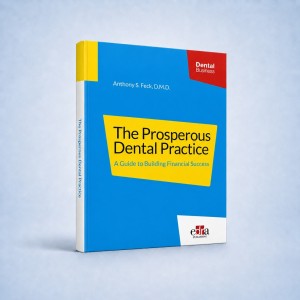
The prosperous dental practice is an Edra professional dentistry reference focused on clinical practice, education and treatment planning.
Products 06 November 2026
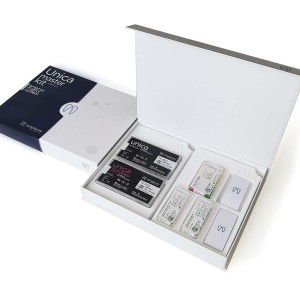
In First Impressions, George Freedman, DDS, gives readers a brief summary of products that have recently been introduced to dentistry, based on his clinical experience.
News 06 November 2026

Healthcare Technology Veteran to Lead Product, Operations, and Engineering as DentalXChange Accelerates Product-Led Growth
News 06 November 2026
CareCredit Pay Later Launches for Health and Wellness Financing

CareCredit Pay Later is CareCredit’s enhanced installment loan product, which will be presented digitally alongside CareCredit’s revolving credit card to give consumers additional
Editorials 06 November 2026

From groundbreaking research to composting on campus, here are some of our favorite stories from 2022.


Copyright © 2026 - All Rights Reserved
ISSN 2767-1178