


Evaluation of the Adjunctive Use of Er:YAG Laser or Erythritol Air-Polishing in the Non-Surgical Treatment of Peri-Implantitis: A Pilot RCT.
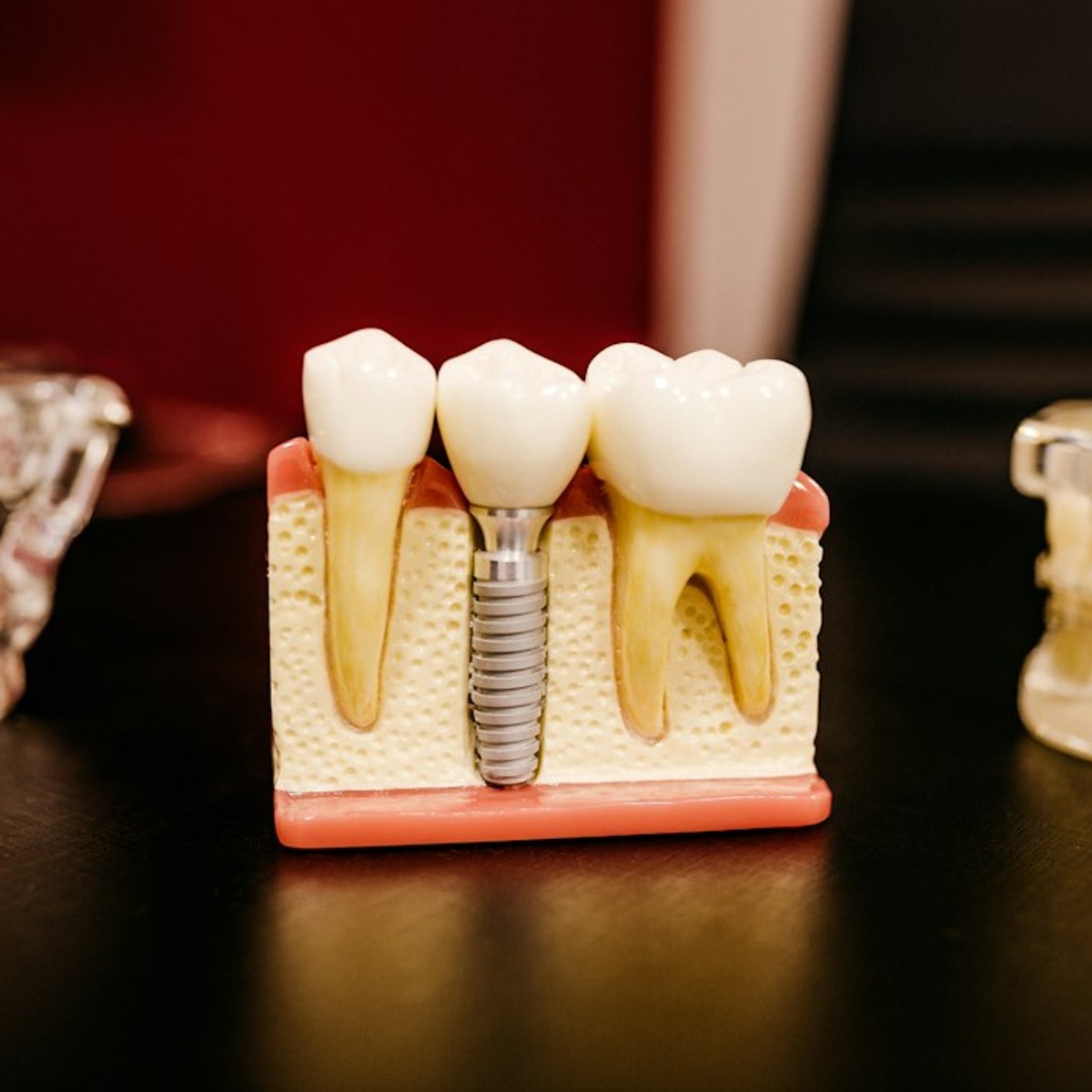
This peer-reviewed implantology article summarizes clinical evidence from Clinical oral implants research (2026). It focuses on findings that may help dental professionals evaluate treatment decisions, patient outcomes, or clinical protocols.
Abstract
AIM: Evaluate the efficacy of adjunctive mechanical/physical decontamination to non-surgical submarginal instrumentation in patients with peri-implantitis.
MATERIAL AND METHODS: Patients with at least one implant diagnosed with peri-implantitis were included in this 6-month single-masked randomized clinical trial with three parallel groups: non-surgical submarginal instrumentation with titanium curettes (control); control plus erythritol air-polishing (test 1) and control plus Er:YAG laser (test 2). Clinical variables were collected at baseline, 1, 3 and 6 months. The primary outcome was probing pocket depth (PPD) reduction. Secondary outcomes included bleeding on probing (BoP) reduction and endpoint of therapy (implants with PPD ≤ 5 mm, BoP ≤ 1 site, no suppuration). A multilevel logistic model was computed to evaluate the predictive value of implant- and patient-level variables.
RESULTS: Forty-seven patients (84 implants) were enrolled. PPD reductions were observed in all groups (mean: 1-1.4 mm at 1 month), remaining stable at 3 months, with slight relapse at 6 months. All treatments led to significant BoP reduction (24%-36%) at 1 month, with no further significant changes at later follow-ups and no intergroup differences. Therapeutic endpoint rates were 12%-18%. Multilevel analysis suggested an association between the presence of ≥ 2 mm vestibular keratinized mucosa and the use of Er:YAG with higher odds of achieving treatment success. Healing was uneventful in all groups, except for one case of surgical emphysema associated with erythritol air-polishing.
CONCLUSION: Irrespective of the adjunctive treatment modality, achievement of peri-implantitis therapeutic endpoint was limited across groups. Possible associations with treatment outcomes were observed; these findings require confirmation in larger studies.
TRIAL REGISTRATION: ClinicalTrials.gov identifier: NCT03451981.
Key takeaway
Key takeaway: Because the evidence comes from a clinical trial design, the findings may be especially useful when comparing treatment approaches in daily practice.
Introduction from full text
Peri-implant diseases were defined during the 2017 World Workshop as biofilm‐associated pathological conditions affecting osseointegrated dental implants, and they were further classified into peri-implant mucositis and peri-implantitis [ 1 – 3 ]. Peri-implant mucositis is characterized by inflammation in the soft tissue compartment, whereas peri-implantitis also features loss of the implant-supporting bone [ 1 – 3 ]. It is assumed that untreated peri-implant mucositis is the precursor to peri-implantitis [ 4 ]. The onset of peri-implantitis was shown to occur early on, and its progression was characterized by a nonlinear, accelerating pattern that, in the absence of therapy, may ultimately lead to implant loss [ 5 ]. Numerous cross-sectional studies have recently reported on the high prevalence of peri-implant diseases, pointing to their common appraisal in daily clinical practice [ 6 – 9 ].
There is evidence from experimental clinical studies that peri-implant mucositis is a reversible condition if adequate bacterial plaque control is implemented [ 10 , 11 ]. Non-surgical therapy in conjunction with oral hygiene reinforcement is considered a standard care treatment for managing peri-implant mucositis [ 1 , 12 ]. At peri-implantitis sites, in contrast, non-surgical mechanical treatment alone or with adjunctive (i.e., local antibiotics, antimicrobial photodynamic therapy—aPDT) or alternative measures (e.g., air abrasive devices, erbium-doped yttrium aluminum garnet—Er:YAG laser monotherapy), has demonstrated only limited efficacy in obtaining disease resolution, indicating the necessity of surgical therapy in a majority of the cases [ 12 , 13 ].
Recently, numerous surgical treatment protocols have been advocated for treatment of peri-implantitis using various surface decontamination approaches, along with resective measures (e.g., apical flap, osteoplasty, implantoplasty), reconstructive measures (e.g., bone fillers/autografts, guided bone regeneration), or a combination thereof (referred to as combined therapy) [ 13 , 14 ]. Nonetheless, the reported efficacy of different surgical treatment approaches in arresting further disease progression varied considerably [ 15 – 20 ].
Currently, it remains unclear which interventions are most effective for the management of peri-implant diseases. Therefore, the aim of this systematic review and meta-analysis was to address the following focused question: In patients with peri-implant mucositis or peri-implantitis, what is the efficacy of non-surgical and surgical treatment with alternative or adjunctive measures on changing signs of inflammation compared to conventional non-surgical and surgical treatments alone?
Peer-reviewed source
Marco Clementini, Margherita Minoli, Simone Fabrizi, Isabella De Rubertis, Nicola Discepoli, Massimo de Sanctis
Clinical oral implants research. 2026
DOI: 10.1111/clr.14074
PMID: 42387326
PubMed: https://pubmed.ncbi.nlm.nih.gov/42387326/
Image: Jonathan Borba (Unsplash)
 Related articles
Implantology 04 September 2026
This peer-reviewed implantology article summarizes clinical evidence from Clinical oral implants research (2026). It focuses on findings that may help dental professionals evaluate treatment...
Implantology 20 August 2026
This peer-reviewed implantology article summarizes clinical evidence from Clinical oral implants research (2026). It focuses on findings that may help dental professionals evaluate treatment...
Implantology 06 August 2026
This peer-reviewed implantology article summarizes clinical evidence from Clinical oral implants research (2026). It focuses on findings that may help dental professionals evaluate treatment...
Implantology 24 July 2026
This peer-reviewed implantology article summarizes clinical evidence from Clinical oral implants research (2026). It focuses on findings that may help dental professionals evaluate treatment...
Implantology 10 July 2026
This peer-reviewed implantology article summarizes clinical evidence from Clinical oral implants research (2026). It focuses on findings that may help dental professionals evaluate treatment...
Read more
Products 16 October 2026
Karen Davis on Philips Sonicare DiamondClean 9900 Prestige & Smarter Brushing
News 16 October 2026
Align Technology to Report Q3 2026 Financial Results October 28
(Nasdaq: ALGN), a leading global medical device company that designs, manufactures, and sells the Invisalign® System of clear aligners, iTero™ intraoral scanners, and exocad™ CAD/C
News 16 October 2026
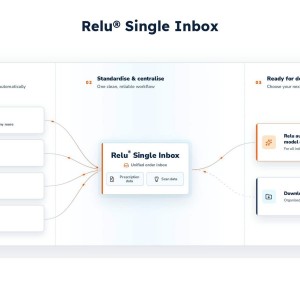
Fewer people on intake, faster turnaround, and no lost cases: Relu’s new automation captures and centralizes every scan and Rx from every source within a minute of arrival
Editorials 16 October 2026

Achievement and service take center stage as the University of Colorado Anschutz School of Dental Medicine honors the Doctor of Dental Surgery (DDS) Class of 2026.
Products 15 October 2026
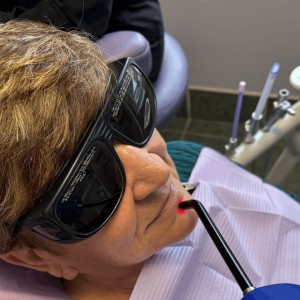
The belief in the healing power of light goes all the way back to ancient Egypt and the worship of Rah, the sun god.


Copyright © 2026 - All Rights Reserved
ISSN 2767-1178