


Mandibular Overdentures on Four Immediately Loaded Mini-Implants Versus Two-Delayed Loaded Regular Implants: 1-Year, Two-Center RCT on Patient-Reported Outcomes.
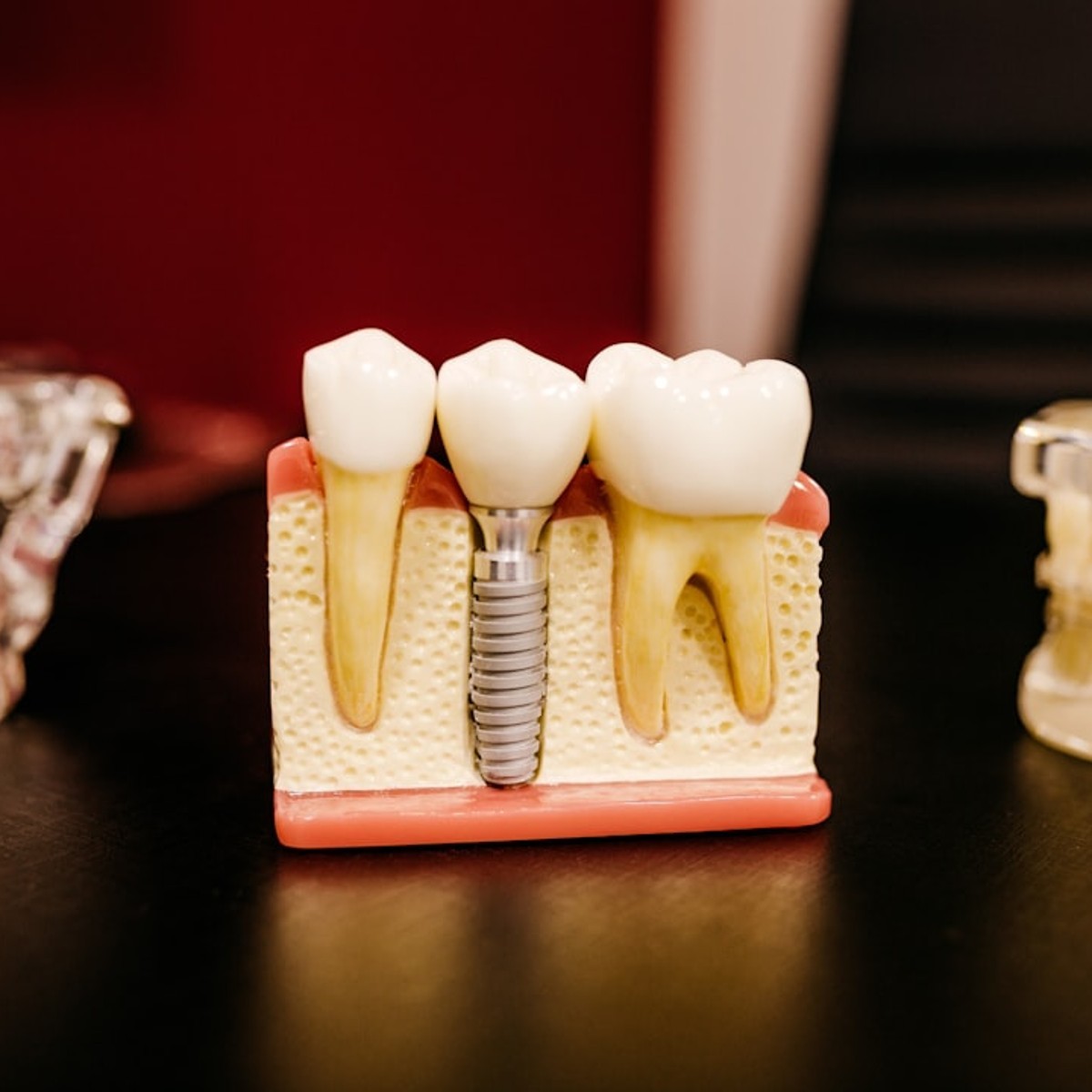
This peer-reviewed implantology article summarizes clinical evidence from Clinical oral implants research (2026). It focuses on findings that may help dental professionals evaluate treatment decisions, patient outcomes, or clinical protocols.
Abstract
OBJECTIVE: This one-year randomized clinical trial compared the effects of mandibular implant-overdentures (IODs) on two two-piece regular-neck tissue-level implants (Group A) or on four mini-implants (Group B) with different loading protocols in edentulous patients concerning dental Patient-Reported Outcomes (dPROs).
MATERIAL AND METHODS: Seventy-two participants were randomly assigned to Group A (n = 35) for treatment with two standard implants (3.3 mm diameter, conventional loading) with a stud-type abutment, or to Group B (n = 37) for treatment with four mini-implants (2.4 mm diameter, immediate loading) with a mini-stud-type abutment. Primary outcomes were measured using the General Oral Health Assessment Index (GOHAI), the 14-item Oral Health Impact Profile (OHIP-G14), and the Denture Satisfaction Index (DSI), at visit #1-baseline (pre-treatment), visit #2-implant placement (immediate loading, Group B), visit #3-8-10-week follow-up (conventional loading, Group A; control visit, Group B), and visit #4-1-year post-placement. Data analysis included descriptive statistics, non-parametric comparison tests, effect-size measures, and multiple regression.
RESULTS: Sixty-two participants completed the 1-year follow-up (Group A = 32; Group B = 30). Significantly improved dPROs were observed for both treatments after 1 year, compared with baseline (p < 0.01), with similar effects in the two Groups. In the mini-implant group, higher improvement in satisfaction was observed after implant placement and immediate loading, compared to Group A (p < 0.001).
CONCLUSION: Significant improvements in satisfaction and Oral Health Related Quality of Life were observed after 1 year, and benefits were observed earlier for mini-implants using immediate loading. Overall, findings support the use of four immediately loaded mini-implants in the mandible as a suitable treatment alternative for edentulous patients.
REGISTRATION: ClinicalTrials.Gov ID: NCT03837158. https://clinicaltrials.gov/study/NCT03837158.
Key takeaway
Key takeaway: Because the evidence comes from a clinical trial design, the findings may be especially useful when comparing treatment approaches in daily practice.
Introduction from full text
Tooth replacement therapy with dental implants has evolved into a widely established treatment option in contemporary dental practice over the last few decades, providing reliable and satisfactory long-term outcomes [ 1 ]. Concurrently, the demographics of the societies have transformed during this period, accompanied by regional variations. Industrialized nations are faced with a progressively aging population, and the substantial cohort of the baby boomer generation is entering advanced stages of life [ 2 ]. Therefore, the proportion of patients with medical risk factors, functional limitations, dependency, and frailty is increasing [ 3 , 4 ]. Simultaneously, teeth in these patients are more predictably maintained in a status compatible with health, and complete edentulism rates have considerably decreased [ 5 – 7 ]. However, when teeth are lost, patients desire to restore their appearance, function, and quality of life to normal, expecting dental implant therapy to fulfill these needs, which has been shown in a study from Hong Kong with comparable demographics to Switzerland [ 8 ]. This is also reflected by an analysis of population trends in the U.S., which observed a significant increase in dental implant prevalence from 0.7% in 1999–2000 to 5.7% in 2015–2016, with the most pronounced growth seen among individuals aged 65 to 74 years [ 9 ].
Over the past years, dental medicine has continuously evolved with the goal of improving patient care and also integrating patient-centered outcome criteria as measures for evaluating successful treatment approaches [ 10 ]. A progressive shift from conventional, and potentially extensive, clinical procedures to the use of less invasive approaches with lower morbidity, including the help of novel digital technologies, has emerged and consolidated in daily clinical practice. In the context of implant therapy, different approaches such as alveolar ridge preservation have demonstrated their efficacy in attenuating the physiologic bone remodeling that follows unassisted socket healing [ 11 , 12 ], significantly reducing the need for invasive ancillary bone augmentation procedures [ 13 , 14 ]. Narrow-diameter and short dental implants have been found to provide similar or only slightly inferior survival and success rates compared to standard diameter/length implants [ 15 – 17 ]. They are therefore considered a reliable alternative to minimize the need for augmentation procedures in sites presenting hard tissue deficiencies, while simultaneously lowering patient morbidity. Additionally, modifications in implant micro- and macro-characteristics (e.g., deep-threaded macro designs, micro-rough surfaces with superhydrophilicity) [ 18 , 19 ], advancements and incorporation of digital technologies such as 3-dimensional (3D) imaging, virtual treatment planning, and computer-assisted implant surgeries (CAIS) [ 5 , 20 , 21 ] have expanded potential indications for implant therapy, have helped in reducing treatment times from implant insertion to delivery of the final restoration, and have also resulted in more in-depth understanding of the planned intervention for the surgeon. These advancements are typically implemented through standardized, research-based protocols in university settings, where dental implant therapy involves comprehensive treatment planning guided by experienced specialists. This approach addresses a diverse patient population, including surgically or medically complex cases referred by general practitioners, with treatment demands influenced by demographic and epidemiological trends [ 5 ].
However, there is only scarce information on related trends in the context of implant therapy regarding type of surgical procedures or patient characteristics over time. Hence, the present study aimed to primarily analyze demographics of the implant patient pool at a surgical specialty clinic for the years 2020–2022 and compare the results to the intervals 2002–2004, 2008–2010, and 2014–2016 to identify potential changes [ 22 – 24 ]. The secondary aims were to analyze and compare the indications, location of therapy, implant characteristics, surgical techniques, complications, and early implant failures over these two decades. Finally, the null hypothesis was that there is no change in patient demographics (H01), indications (H02), location of therapy (H03), implant characteristics (H04), and surgical techniques (H05) over the two decades analyzed.
Peer-reviewed source
Martin Schimmel, Cláudio Rodrigues Leles, Nicole Schenk, Simone F M Janner, Beat Wallkamm, Valérie G A Suter, Samir Abou-Ayash, Clemens Raabe
Clinical oral implants research. 2026
DOI: 10.11607/jomi.6009
PMID: 42226346
PubMed: https://pubmed.ncbi.nlm.nih.gov/42226346/
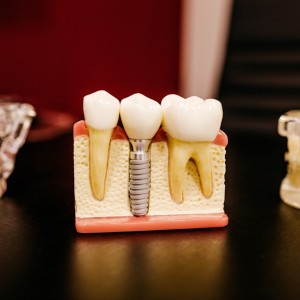
Image: Jonathan Borba (Unsplash)
 Related articles
Implantology 04 September 2026
This peer-reviewed implantology article summarizes clinical evidence from Clinical oral implants research (2026). It focuses on findings that may help dental professionals evaluate treatment...
Implantology 06 August 2026
This peer-reviewed implantology article summarizes clinical evidence from Clinical oral implants research (2026). It focuses on findings that may help dental professionals evaluate treatment...
Implantology 24 July 2026
This peer-reviewed implantology article summarizes clinical evidence from Clinical oral implants research (2026). It focuses on findings that may help dental professionals evaluate treatment...
Implantology 10 July 2026
This peer-reviewed implantology article summarizes clinical evidence from Clinical oral implants research (2026). It focuses on findings that may help dental professionals evaluate treatment...
Digital Dentistry 20 April 2026
To report a fully digital and guided immediate-load All-on-4 protocol conducted in Brazil on a 59-year-old male patient with an edentulous maxilla and a history of oropharyngeal cancer surgery,...
Read more
Europe 11 October 2026 - 30 November -0001
Scandinavian Dental Fair 2026: Event Preview and Professional Highlights

The Scandinavian Dental Fair 2026 will take place from November 11, 2026 to November 13, 2026 in TBD, Sweden/Denmark, offering dental professionals a focused environment for continuing education,...
Edra Professional Books 10 October 2026
Esthetics and function in complete denture prosthesis is an Edra professional dentistry reference focused on clinical practice, education and treatment planning.
Products 09 October 2026

Oral-B and Crest, Official Oral Care Partners of the NFL, recently announced the launch of new special-edition products, giving fans even more ways to celebrate their love of the g
News 09 October 2026
Apex Dental Partners, a dental partnership organization supporting dentists and affiliated practices, has been named No.
News 09 October 2026

New education website and fully funded Swiss fellowship program debut at the 2026 Orthopaedic Trauma Association Annual Meeting in Nashville


Copyright © 2026 - All Rights Reserved
ISSN 2767-1178