


Non-Surgical Submarginal Instrumentation of Peri-Implant Mucositis With Delivery of Sodium Hypochlorite/Amino Acids and Cross-Linked Hyaluronic Acid: A Randomized Clinical Trial.
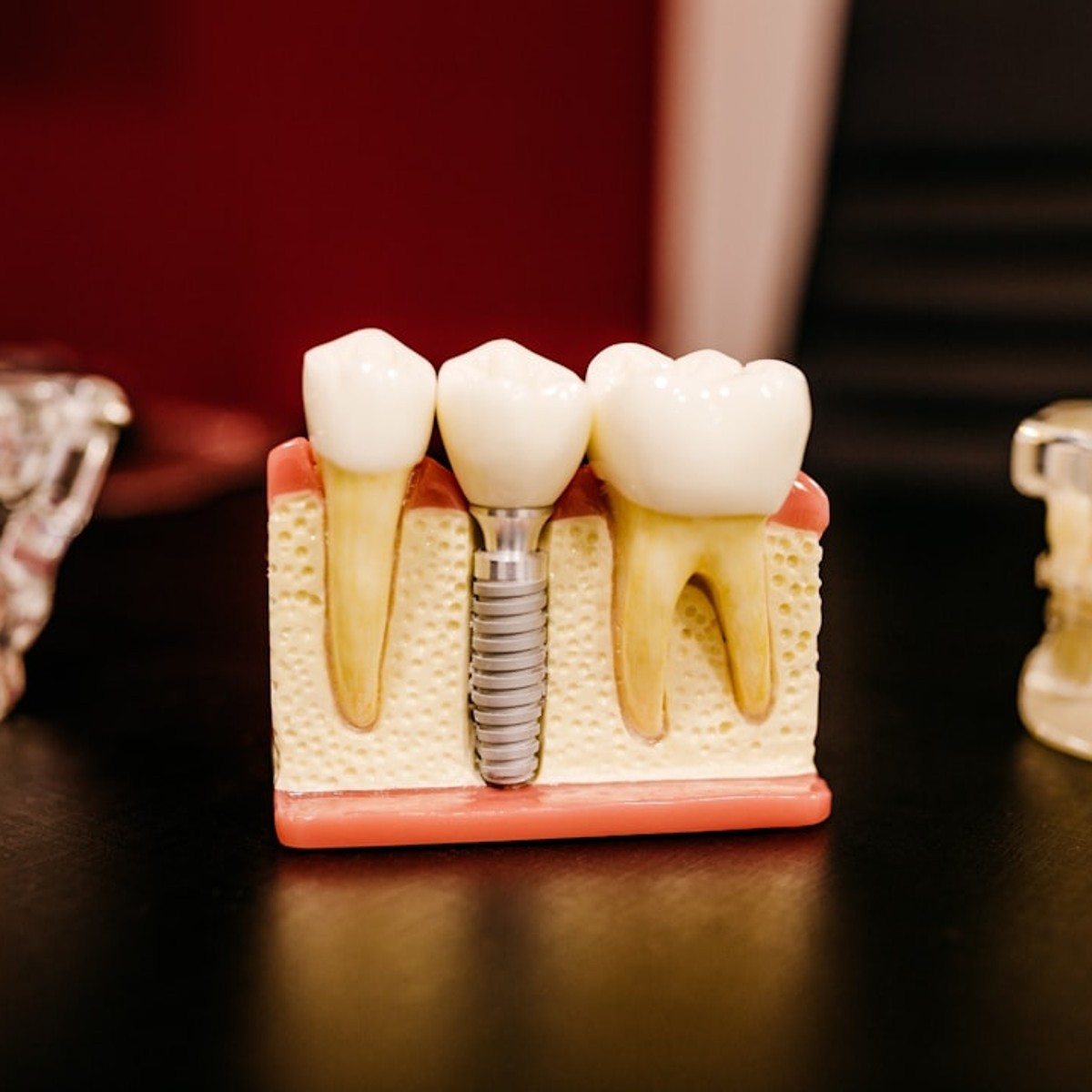
This peer-reviewed implantology article summarizes clinical evidence from Clinical oral implants research (2026). It focuses on findings that may help dental professionals evaluate treatment decisions, patient outcomes, or clinical protocols.
Abstract
OBJECTIVES: To evaluate the effects of submarginal instrumentation (SI) with or without adjunctive delivery of sodium hypochlorite (NaOCl)/amino acids and cross-linked hyaluronic acid (xHyA) gel in the treatment of peri-implant mucositis (PM).
MATERIAL AND METHODS: Forty implants supporting single-unit crowns diagnosed with PM in 40 patients were randomly assigned to test (SI + NaOCl/amino acids and xHyA) or control group (SI alone). The primary outcome was mean BoP change. Full-Mouth Plaque Score (FMPS), Full-Mouth Bleeding Score (FMBS), modified plaque index (mPlI), and probing depth (PD) were assessed as secondary outcomes. Clinical parameters were assessed at baseline, 3 and 6 months. Disease resolution was also recorded.
RESULTS: Two patients were lost during follow-up while 38 patients completed the study without adverse effects. After 6 months, all clinical parameters improved statistically significantly in both groups (p < 0.05). The change in mean BoP at 1, 3, and 6 months was 72.2% ± 24.3%, 70.4% ± 24.3%, and 63.0% ± 24.6% for test group and 70.0% ± 19.9%, 66.7% ± 24.8%, and 56.7% ± 30.8% for control group. The mean BoP change in experimental procedure was statistically significant at all investigation time points (p < 0.05). Regarding disease resolution, implants with initial PD ≤ 4 mm did not show differences among groups (p > 0.05); conversely, an initial PD = 5 mm yielded a statistically significant difference (p < 0.05). Disease resolution correlation with test group was statistically significant with a 3.77 odds ratio.
CONCLUSION: Within the limitations of the present study, adjunctive delivery of NaOCl/amino acids and xHyA to SI yielded superior clinical outcomes compared with SI alone in the treatment of PM.
TRIAL REGISTRATION: ClinicalTrials.gov: NCT05926297.
Key takeaway
Key takeaway: Because the evidence comes from a clinical trial design, the findings may be especially useful when comparing treatment approaches in daily practice.
Peer-reviewed source
Vincenzo Iorio-Siciliano, Andrea Blasi, Leopoldo Mauriello, Peter Windisch, Giovanni E Salvi, Anton Sculean, Luca Ramaglia
Clinical oral implants research. 2026
DOI: 10.1111/jcpe.13789
PMID: 41761442
PubMed: https://pubmed.ncbi.nlm.nih.gov/41761442/
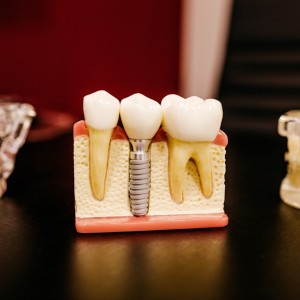
Image: Jonathan Borba (Unsplash)
 Related articles
Implantology 04 September 2026
This peer-reviewed implantology article summarizes clinical evidence from Clinical oral implants research (2026). It focuses on findings that may help dental professionals evaluate treatment...
Implantology 20 August 2026
This peer-reviewed implantology article summarizes clinical evidence from Clinical oral implants research (2026). It focuses on findings that may help dental professionals evaluate treatment...
Implantology 24 July 2026
This peer-reviewed implantology article summarizes clinical evidence from Clinical oral implants research (2026). It focuses on findings that may help dental professionals evaluate treatment...
Implantology 10 July 2026
This peer-reviewed implantology article summarizes clinical evidence from Clinical oral implants research (2026). It focuses on findings that may help dental professionals evaluate treatment...
Digital Dentistry 20 April 2026
To report a fully digital and guided immediate-load All-on-4 protocol conducted in Brazil on a 59-year-old male patient with an edentulous maxilla and a history of oropharyngeal cancer surgery,...
Read more
Products 21 September 2026
The OsteoGen™ Composite graft line uses the same biomimetic, bioactive crystal technology to harness the body’s ability to heal itself.
News 21 September 2026

The Aspen Group (TAG), a leading healthcare support organization headquartered in Chicago’s West Loop, today announced two key additions to its marketing leadership team: David Chr
News 21 September 2026
BlancOne® Click+ introduces a simple 10-minute professional teeth-whitening experience designed to integrate into existing hygiene appointments, helping dental practices create new
Editorials 21 September 2026

The new school year is in full swing at Texas A&M College of Dentistry, and that includes a host of faculty promotions and new hires and important happenings.
Endodontics 21 September 2026
This peer-reviewed endodontics article summarizes clinical evidence from Journal of dentistry (2026). It focuses on findings that may help dental professionals evaluate treatment decisions, patient...



Copyright © 2026 - All Rights Reserved
ISSN 2767-1178