


Implant surfaces treated with laser: is this a solution to improve fibroblastic adhesion?
Massimo Gagliani

The osteointegration process has always interested researchers, both to make this phase more reliable, and to determine a faster ossification of the peri-implant tissues.In this sense, numerous modifications have been proposed to the surfaces of titanium, the main constituent of the current osseointegrated implants. The use of the Laser to condition the same is not new, but the research in question provides an interesting method.
MATERIALS AND METHODS
In an in vitro study, 28 titanium implants were divided into 4 groups: in three groups the surface was conditioned through the use of Laser (Erbium), one served as a control. The three groups were conditioned by subjecting the laser irradiation system:
Group A: unidirectional,
Group B: bidirectional (crosswise),
Group C: tri-directional (star-shaped).
The samples were analyzed, to check their surface characteristics, using a profilometer.The samples were inserted in a specific cultural broth to facilitate the colonization of the surfaces by fibroblasts. The effectiveness of their adhesion was verified with vitality tests and structural analyzes in electron microscopy.
RESULTS
Laser action decreases surface roughness. It was lower in the groups where the Laser action was multi-directional.
In group C, the one in which the Laser treatment was performed in three directions, the adhesion of fibroblasts was greater and more effective.
CONCLUSIONS
The treatment of dental implant surfaces can be an excellent method to promote fibroblastic adhesion in the early stages of the osseointegration process. Irradiation mode can be an important factor in making this process faster and more effective.
CLINICAL IMPLICATIONS
One of the greatest risks - in the process of osseointegration - is that linked to maintaining it over time; the treated titanium surfaces have shown greater susceptibility to bacterial colonization, while favoring fibroblastic adhesion.A surface treatment that reduces surface roughness but favors fibroblastic adhesion could be the keystone of this process.
For additional informations:
The effect of Laser with Different Parameters and Crosshatching on Fibroblast Adhesion and Proliferation to Implant Surfaces
 Related articles
Implantology 03 February 2026
Bone Structure, Metabolism, and Physiology Its Impact on Dental Implantology
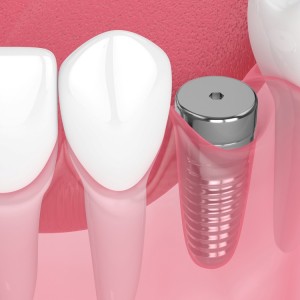
When placing implants in the mandible or maxilla, it is important for clinicians to understand the process of bone remodeling, the different types of bone, and how these factors can affect the...
Endodontics 02 February 2026
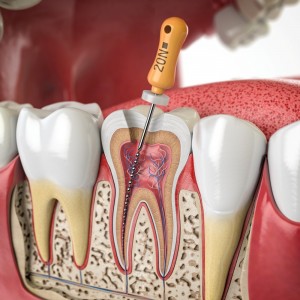
Implantology 24 December 2025
Soft tissue management in aesthetic implantology: clinical case with 15-year follow-up

Implant therapy is widely recognized as an effective and predictable solution for replacing missing teeth, supported by extensive scientific evidence.
Implantology 09 December 2025
Implantology and otorhinolaryngology team-up to solve a complicated case
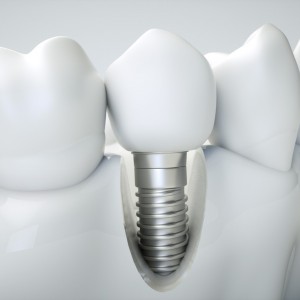
The aim of this article was to highlight the importance of the collaboration between implantologists and ear, nose, and throat (ENT) specialists to treat complex cases.
Implantology 06 November 2025
The irreversible trend toward digitization in dentistry and dental technology has resulted in technical progress and continuous changes to conventional workflows.
Read more
Orthodontics 27 March 2026
The Primary Failure of Eruption in orthodontics: knowledge to prevent overtreatment
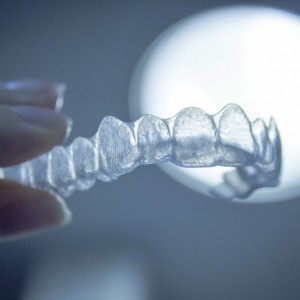
The aim of this paper is to report a rare clinical case of Primary Failure of Eruption (PFE) in a young Italian patient.
Editorials 27 March 2026
Historic All‑Female Cohort Graduates from CU Anschutz Orthodontic Residency
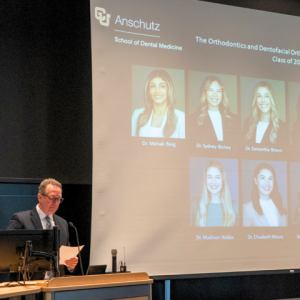
The midday ceremony unfolded with heartfelt remarks, laughter, and shared admiration for this exceptional group of graduates.
Products 27 March 2026
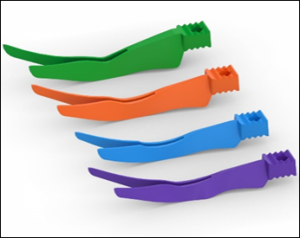
Garrison Dental Solutions has announced important enhancements to its Quad Matrix System with the release of updated Quad Wedges, building on the system’s strong clinical adoption for complex Class...
News 27 March 2026
Sonendo, Inc. (“Sonendo” or the “Company”), a leading dental technology company and developer of the GentleWave® System, today reported select preliminary financial results for the year...
News 27 March 2026
March 20th, Philips Sonicare invites New Yorkers to rethink their nightly clean with an inside look at what happens in your mouth while you sleep.



Copyright © 2026 - All Rights Reserved
ISSN 2767-1178