


Endodontic radiography: who is reading the digital radiograph?
Introduction
Digital radiographic imaging systems have undergone tremendous improvements since their introduction. Advantages of digital radiographs over conventional films include lower radiation doses compared with conventional films, instantaneous images, archiving and sharing images easily, and manipulation of several radiographic properties that might help in diagnosis.
Methods
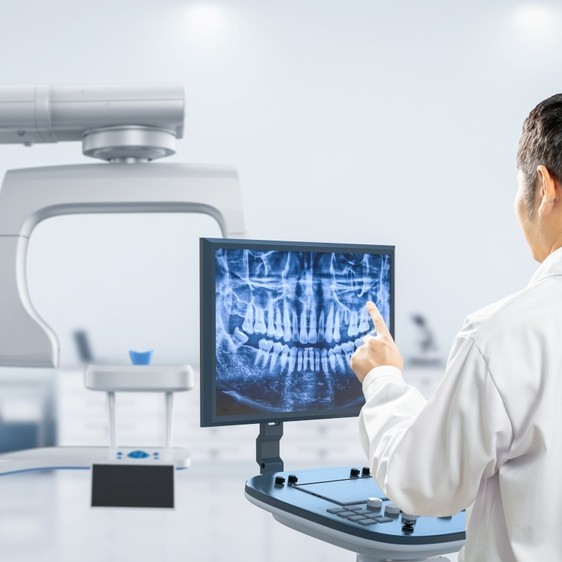
A total of 6 observers including 2 endodontic residents, 3 endodontists, and 1 oral radiologist evaluated 150 molar digital periapical radiographs to determine which of the following conditions existed: normal periapical tissue, widened periodontal ligament, or presence of periapical radiolucency. The evaluators had full control over the radiograph’s parameters of the Planmeca Dimaxis software program. All images were viewed on the same computer monitor with ideal vie-wing conditions. The same 6 observers evaluated the same 150 digital images 3 months later. The data were analyzed to determine how well the evaluators agreed with each other (interobserver agreement) for 2 rounds of observations and with themselves (intraobserver agreement).
Results
Fleiss kappa statistical analysis was used to measure the level of agreement among multiple raters. The overall Fleiss kappa value for interobserver agreement for the first round of interpretation was 0.34 (P < .001). The overall Fleiss kappa value for interobserver agreement for the second round of interpretation was 0.35 (P < .001). This resulted in fair (0.2–0.4) agreement among the 6 raters at both observation periods. A weighted kappa analysis was used to determine intraobserver agreement, which showed on average a moderate agreement.
Conclusions
The results indicate that the interpretation of a dental radiograph is subjective, irrespective of whether conventional or digital radiographs are used. The factors that appeared to have the most impact were the years of experience of the examiner and familiarity of the operator with a given digital system.
Authors: Shalini Tewary, Joseph Luzzo, Gary Hartwell
Source: https://www.sciencedirect.com/
 Related articles
News 13 February 2026
Unlock CE Credits by Reading One Move Makes All the Difference

Dental professionals can now earn 4 hours of continuing education credit by reading One Move Makes All the Difference by Martin R. Mendelson, DDS, FIADFE, CPC. Dr. Mendelson and Metamorphosis...
Effective immediately, Dr. Howard Yoon, DMD, is joining Reading Dental Associates as an endodontist specializing in root canals. Dr. Yoon brings many years of experience and a wealth of knowledge to...
by Heather Beasley Doyle, Tufts Now
Ashley Makala, D23, created the project at the height of the pandemic in 2020. Today, StoryTime! offers videos of 40 Tufts University School of Dental Medicine students reading a myriad of...
Orthodontics 08 October 2025
The field of orthodontics in its new era is venturing ahead to more up-to-date technological point of view.

Fracture of shaping instruments within root canals is a common undesirable incident in endodontics. These fractures can prevent proper preparation, disinfection and obturation of the canal. They can...
Read more
Europe 27 September 2026 - 30 November -0001
Digital Dentistry Society Global Congress 2026: Event Preview and Professional Highlights

The Digital Dentistry Society Global Congress 2026 will take place from October 22, 2026 to October 24, 2026 in TBD, Rotating Europe, offering dental professionals a focused environment for...
Editorials 27 September 2026
Dentistry33 survey highlights replacement care, deep caries and evolving restorative workflows
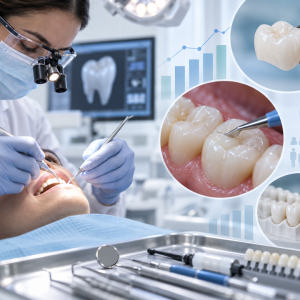
Reader survey finds direct composites remain dominant, secondary caries is the leading reason for restoration replacement, and clinicians want more training in pulp preservation
Reader survey finds direct composites remain dominant, secondary caries is the leading reason for restoration replacement, and clinicians want more training in pulp preservation
Edra Professional Books 26 September 2026
Manual of oral surgery: A Practical Reference for Dental Professionals
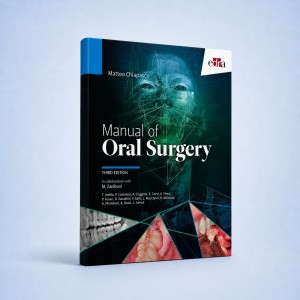
Manual of oral surgery is an Edra professional dentistry reference focused on clinical practice, education and treatment planning.
Products 25 September 2026
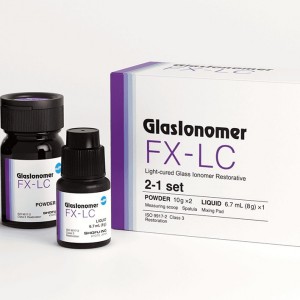
Shofu Dental’s line of dental restorative materials now includes FX-LC, a next-generation, light-cure, resin-reinforced glass ionomer formulated to deliver high strength, efficient 4
News 25 September 2026

The scholarships are part of an ongoing workforce solutions strategy to help address the need for skilled dental hygienists


Copyright © 2026 - All Rights Reserved
ISSN 2767-1178